A ‘Demographic Time Bomb’ Is About To Go Off — And the Transportation Sector Isn’t Ready
Global transportation networks and the climate are both facing a “demographic time bomb” as Baby Boomers age out of driving — and America needs to act particularly fast and embrace solutions to the converging crises that decenter cars, according to a team of built environment experts.
International engineering and architecture firm Sidara recently sounded the alarm about the coming wave of people around the world aging past 60 years old — a group that will likely double between now and 2050. And that could have particularly big implications for the fight to stop climate change, as the group pointed out at a presentation at November’s COP30 in Brazil.
“[We emphasized the need to] reframe the global population’s aging as a catalyst for effective, positive change,” Balsam Nehme, Sidara’s group executive director for Sustainability and Implementation said. “Investments in sustainable mobility today will allow cities to secure a higher quality of life for all of the generations tomorrow — and today is the moment for those cities, policymakers, and industry leaders to work together to deliver those inclusive, sustainable mobility solutions that will serve the people of all ages.”
In many ways, the Baby Boomer cohort — typically defined as people born between 1946 and 1964 — have been shaping America’s mobility landscape since they first roared onto the roads, if only because their sheer numbers drove up otherwise-dubious travel demand forecasts that were exploited to justify building more highways. The Federal Aid Highway Act of 1956 was passed squarely in the middle of the mid-century birth boom, and communities across the US have grown increasingly autocentric over the course of that generation’s lifetimes.
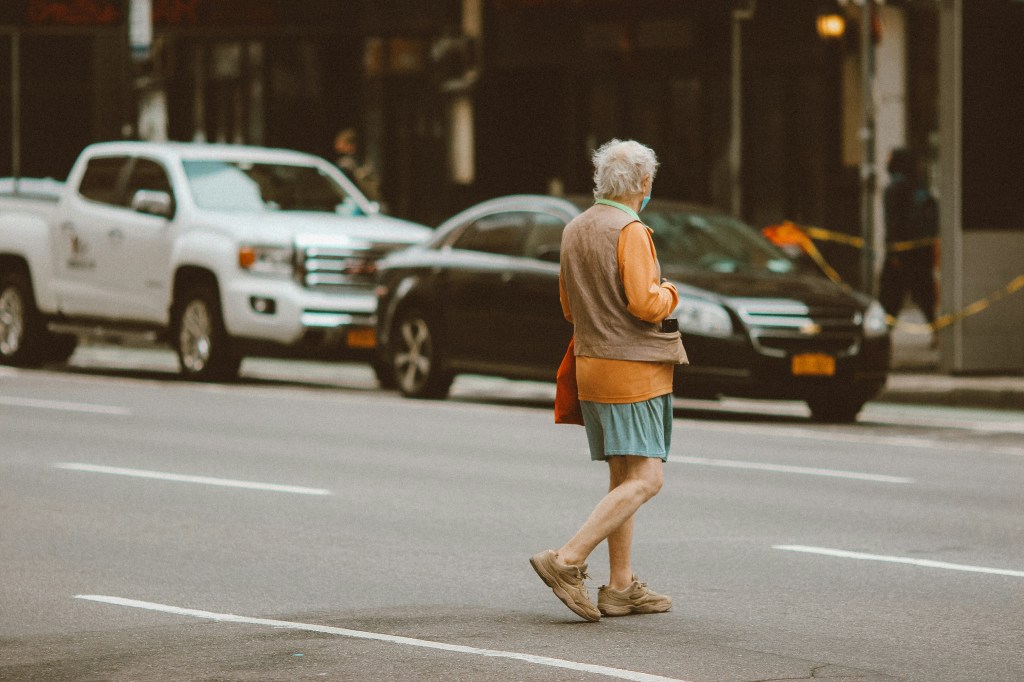
Now, the U.S. Census says that about 10,000 Baby Boomers are turning 65 or older every day — and by 2030, all of them will have crossed that age threshold. And the oldest among them are quickly approaching the end of their “driving life expectancy,” which researchers say tends to end when motorists are somewhere between 81 and 85 on average.
And considering that average lifespans for Boomers grow even as their health declines — and how few of them are willing to move out of their communities, even if they’re only accessible by automobile — some transportation experts have warned that much of the U.S. is unprepared for a future where a record number of seniors are either trapped in homes they can’t leave without a car, or taking to the road when it’s not safe for them to do it.
“Our existing systems will need to adapt to the population profile we’re now entering – particularly when we’re talking about transportation,” Nehme added. “And we are being asked to adapt at scale as well, and to do so in a way that meets the needs of an older population without exacerbating the climate and the environmental pressures [we already face].”
To senior-proof the country for this unique demographic moment, Nehme argues that we can no longer rely on autocentric strategies designed with younger drivers in mind. And that’s particularly true when it comes to caring for the mobility needs of seniors themselves, whether they’re working past traditional retirement age, searching for community now that the workplace is behind them, or just trying to make it to the doctor’s office.
In transit-poor communities, that can be easier said than done. One 2022 study found that only one in 10 urban-dwelling older adults in the United States reported use of public transportation in the last month, in part because in many cities, it doesn’t exist, doesn’t come frequently enough, or isn’t outfitted with the bare necessities that seniors rely on, like benches at bus stops.
“Mobility remains a fundamental enabler of access to healthcare, employment, education and social connection for older adults,” Nehme said. “And especially for those that do have reduced physical mobility, the absence of a reliable and affordable public transport system will lead to isolating them, and also potentially to a decline in their well-being.”
Interestingly, Nehme and her colleagues say that the strategies for defusing the “demographic time bomb” aren’t necessarily all that different than everything else America should do to make streets more livable for people of all ages.
When asked for examples of Sidara’s elder-friendly projects, she points to initiatives like helping Seattle explore potential congestion pricing program, developing 1.3 miles of multimodal mobility lanes to help curb congestion in a clogged corner of Culver City, Calif, and an ongoing 25-plus-year partnership with the Chicago Department of Transportation to improve the city’s bike infrastructure.
Those sort of bold, big-picture ideas, Nehme argues, have benefits for seniors even if they’re not personally biking for transportation (though many of them do, especially in the age of the e-bike) or idling in traffic jams during their daily commute (though many of them are, especially as more Boomers work well past traditional retirement age than previous generations.)
“Older people and those with the mobility challenges will naturally find transportation more challenging, whether auto-centric or otherwise,” she adds. “But gridlock and poor air quality aren’t good, either. Shaping accessible mass transit such as electric trains will help alleviate pressure on the network, and accessible design will help make journeys more comfortable, and ultimately will drive adoption.”
To really brace for the “silver tsunami,” Nehme said that America needs to sweat the details of its transportation reform moonshot. That could mean enhancing transit service in neighborhoods where seniors already live, “thickening” neighborhoods to allow for more affordable intergenerational living in walkable places, or reimagining zoning to put the essentials within walking or rolling distance, even for people who use walkers and rollators.
But at the end of the day, Nehme says that preparing for a rapidly-aging traveling public isn’t just about seniors — it’s a smart move for everyone.
“Addressing the ‘time bomb,’ as we’ve called it initially, is not just about accommodating the aging population,” Nehme concluded. “It’s also about optimizing transportation as a tool to improve the quality of life for people of all ages, while creating the systems that are safer for them, cleaner for the environment, and also very much fit for a sustainable future.”

Read More:
Streetsblog has migrated to a new comment system. New commenters can register directly in the comments section of any article. Returning commenters: your previous comments and display name have been preserved, but you'll need to reclaim your account by clicking "Forgot your password?" on the sign-in form, entering your email, and following the verification link to set a new password — this is required because passwords could not be carried over during the migration. For questions, contact tips@streetsblog.org.