Tuesday’s Headlines Want a Seat at the Table
The U.S. transportation system is designed by drivers for drivers. But the millions of people who can't drive or prefer to walk, bike or take transit should be consulted as well, an excerpt from a new book recently published at Next City says.
By
Blake Aued
12:15 AM EDT on May 14, 2024
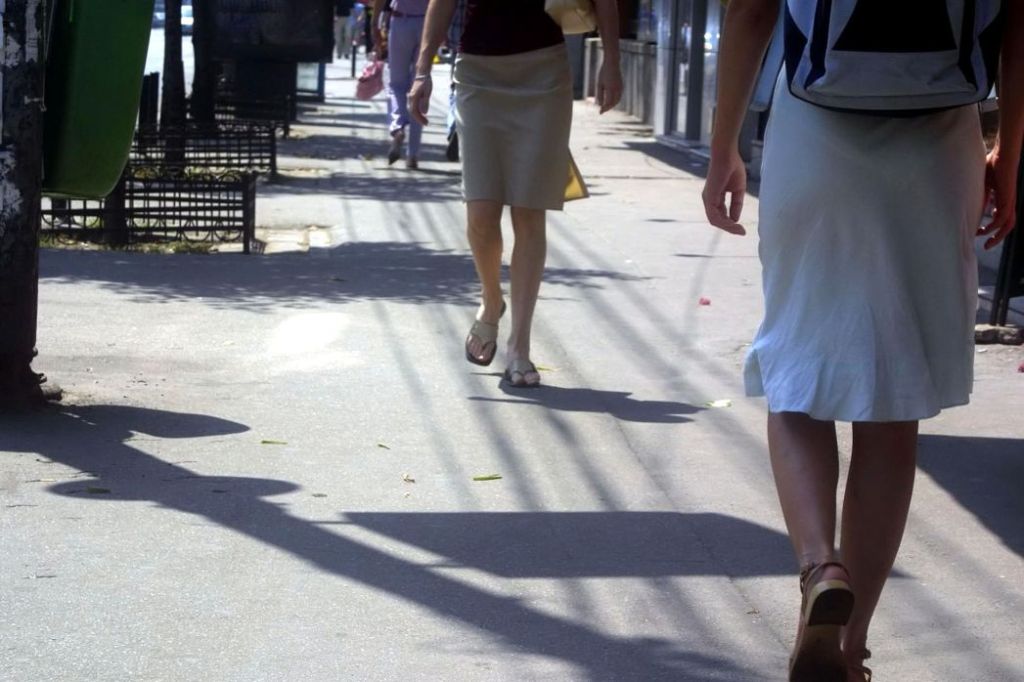
- One-third of Americans don’t have a driver’s license. In an excerpt from her new book, Anna Zivarts asks: what if they were also involved in transportation planning? (Next City)
- California is the most expensive state to own a car, followed by Nevada, Florida, Washington, Rhode Island, Illinois, New Jersey, Michigan, Connecticut and Kansas. (Nasdaq)
- Federal Highway Administration head Shailen Bhatt was in Savannah to announce a project that will reduce truck pollution at the Georgia city’s busy port. (Morning News)
- The Federal Transit Administration committed $3.4 billion to a Caltrain high-speed rail line in San Francisco. (Examiner)
- As costs for freeway projects snowball, the Oregon DOT is considering cutting things like transit and walking and biking projects to cover the shortfall for widening highways. (Bike Portland)
- Just months after Philadelphia Mayor Cherelle Parker recommitted to Vision Zero, her proposed budgets includes cuts to traffic calming and road diets. (Inquirer)
- Washington, D.C. city council members have added Connecticut Avenue bike lanes back into the fiscal 2025 budget after Mayor Muriel Bowser’s administration left them out. (WTOP)
- The Washington state DOT is eliminating a bike tunnel from a proposed Seattle highway cap to cut costs. (The Urbanist)
- The University of Texas pledged $13 million to help cap a portion of I-35 through Austin. (KUT)
- After spending a week at car shows in China, an Inside EVs writer thinks Chinese companies are going to dominate the electric vehicle market.
- Quebec’s transportation administrator introduced legislation creating a new agency to oversee transit projects intended to speed them up and bring down costs. (CTV News)
- Florence, Italy is paying commuters up to 30 euros a month to bike rather than drive. (The Mayor)

Blake Aued has been doing Streetsblog's daily national news digest for years. He's also an Atlanta Braves fan, which enrages his editor in New York.
Read More:
Streetsblog has migrated to a new comment system. New commenters can register directly in the comments section of any article. Returning commenters: your previous comments and display name have been preserved, but you'll need to reclaim your account by clicking "Forgot your password?" on the sign-in form, entering your email, and following the verification link to set a new password — this is required because passwords could not be carried over during the migration. For questions, contact tips@streetsblog.org.
More from Streetsblog USA
Inside Baseball: Kuntzman To Step Down At Streetsblog; David Meyer To Take Over
Streetsblog's longtime editor will take on new challenges. And so will his successor.
October 9, 2026

Friday Video(s): Two Urban Cycling Trips Worth Taking
Choose your own urban cycling adventure: domestic or international edition.
October 9, 2026
Friday’s Headlines Pay a Lot for Parking
The average apartment-dweller pays $200 a month for a parking space, included in their rent, whether they use it or not.
October 9, 2026
Talking Headways Podcast: The Long Road to Real Transit Progress
Jeff Wood and Reece Martin discuss China’s lessons for American infrastructure.
October 8, 2026

Thursday’s Headlines Are Another Front in the Culture War
David Zipper explains how transportation, once an issue with broad consensus, became politically polarized.
October 8, 2026