Wednesday’s Headlines Are Fine
The EPA is looking to crack down on microscopic fine particles — often from car exhaust, tires and brakes — that get lodged in peoples' lungs.
By
Blake Aued
12:00 AM EST on January 11, 2023
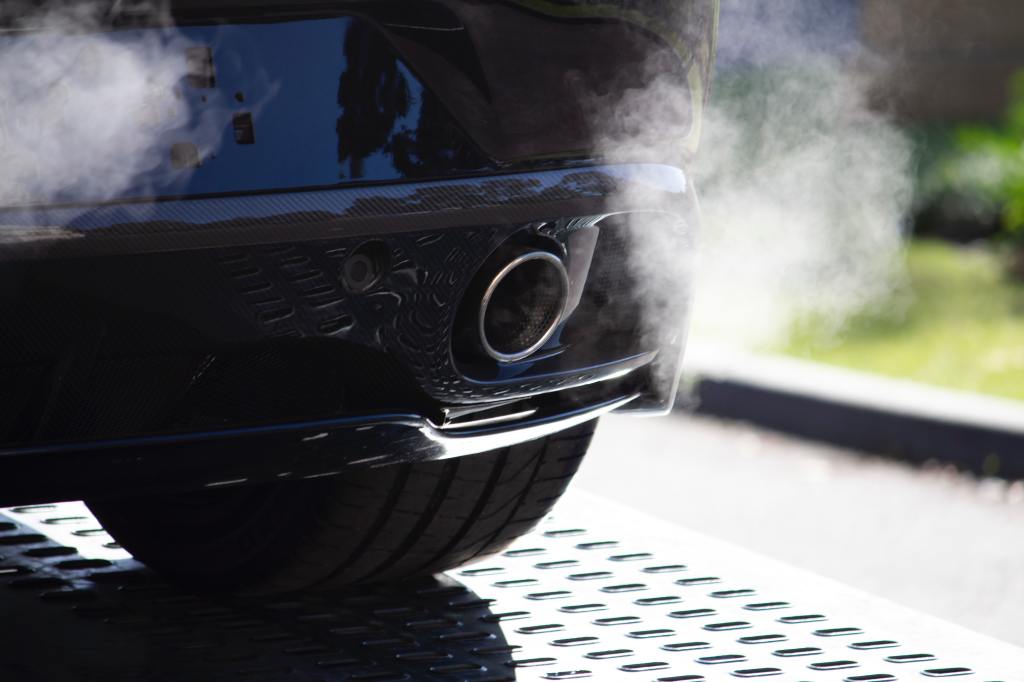
- The Environmental Protection Agency is proposing stricter standards for fine particles, which are produced by tires, brakes and diesel engines, and can cause heart attacks and respiratory illness. (Los Angeles Times)
- A new AAA study on the rash of traffic deaths during the pandemic revealed some surprising findings. For example, the most dangerous drivers — men under 40 — were responsible for 70 percent of the spike. (Streetsblog USA)
- A British study found that lack of bike infrastructure is trapping people in poverty, with some forced to spend a fifth of their income on car ownership because there are no alternatives. (The Guardian)
- The Federal Transit Administration is accepting applications for $20 million in grants for areas with persistent poverty. (Railway Age)
- Automatic vehicle location systems can help transit agencies manage their bus operations. (Route Fifty)
- Boston, Denver and Detroit are among the U.S. cities most recently embracing bikes. (Momentum Mag)
- A death penalty trial began Monday for an accused terrorist charged with killing eight people and injuring 11 in New York City by plowing a truck into a bike path. (Daily News)
- Richmond planned to lower speed limits to 20 miles per hour, but reversed course after finding out new signage would cost $2.5 million. (Greater Greater Washington)
- A new Tennessee law requires drunk drivers who kill parents to pay child support, although it’s unclear how they’re supposed to do that when they’re in prison. (Jalopnik)
- Twitter inexplicably banned the D.C. Metro bus system’s account, yet reinstate the man many believe to be the Q in QAnon. (Gizmodo)
- Oklahoma is producing its first active transportation plan looking at transportation needs outside of driving. (KXII)
- About 100 Bethesda cyclists participated in a mass ride to convince officials to keep a protected bike lane. (Bethesda Beat)
- Six students at a South Dakota high school were appointed Vision Zero ambassadors to promote safe driving. (KFYR)
- Most American’s don’t walk enough, so if that’s you, make that your New Year’s resolution. It’s not as hard as you think! (MinnPost)

Blake Aued has been doing Streetsblog's daily national news digest for years. He's also an Atlanta Braves fan, which enrages his editor in New York.
Read More:
Streetsblog has migrated to a new comment system. New commenters can register directly in the comments section of any article. Returning commenters: your previous comments and display name have been preserved, but you'll need to reclaim your account by clicking "Forgot your password?" on the sign-in form, entering your email, and following the verification link to set a new password — this is required because passwords could not be carried over during the migration. For questions, contact tips@streetsblog.org.
More from Streetsblog USA
Study: Americans Already Doubt the Myth that ‘Driving is Freedom’
...and most of them want real freedom to choose how they get around, too.

October 14, 2026

Progressives Don’t Necessarily Deliver on Transportation at the State Level, Either
Why so many so-called "blue" states keep building highways — and some red states have stopped.
October 14, 2026

Wednesday’s Headlines Wake Up
The U.S. DOT's "war on woke" is going to get people killed.
October 14, 2026
California High-Speed Rail Faces Scandal, But Work to Get the Trains Rolling Continues
The rail authority is under fire over questionable spending, but construction continues, and track-laying preparations are moving forward.

October 13, 2026

Is America’s ‘First Autonomous Transit System’ Really Dead?
And what should Jacksonville teach us all about the role of technology in our transit future?
October 13, 2026