Friday’s Headlines Smile for the Camera
Ending state-level restrictions on traffic enforcement cameras is among the recommendations of one road safety group.
By
Blake Aued
12:00 AM EST on December 9, 2022
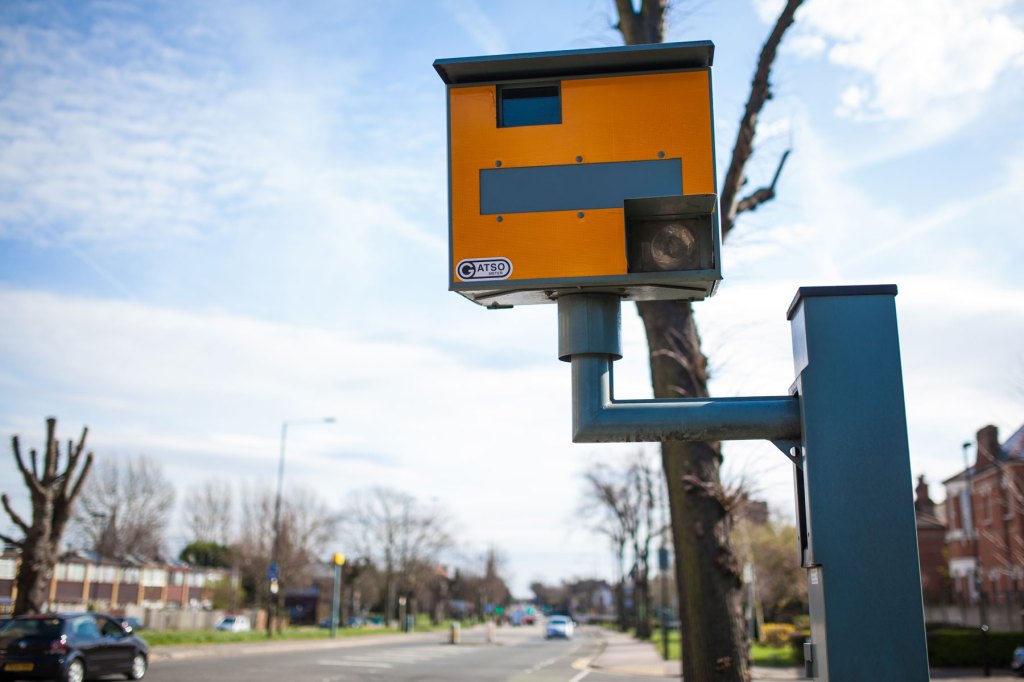
- Only five states have “good” traffic safety laws, according to a report from Advocates for Traffic and Highway Safety, which is urging state legislatures to pass laws requiring children to sit in the back seat, restricting teenagers’ driving and allowing enforcement cameras. (Route Fifty)
- Urban planner Jeff Speck argues in an updated version of his 2012 book “Walkable Cities” that ride-hailing and autonomous vehicles are making congestion worse, contrary to supporters’ promises. (Bloomberg)
- Berlin is raising parking rates for drivers while allowing bike and scooter riders to use those on-streets spots for free to unclutter sidewalks — a well-meaning policy that even some cyclists oppose, believing it will lead to “street brawls.” (City Lab)
- Hertz will pay $168 million to customers it falsely accused of stealing rental cars. (New York Times)
- Uber is among the corporations advertising on the Twitter pages of white supremacists whose accounts Elon Musk restored. (Washington Post)
- Uber is launching a robotaxi service in Las Vegas, although the vehicles will have human backup drivers for now. (Reuters)
- Can California actually implement a ban on the sale of new gas-powered vehicles by its 2035 deadline? (Newsweek)
- New Dallas Area Rapid Transit CEO Nadine Lee is focusing on security, cleanliness and increased frequency to reverse a dropoff in ridership. (Smart Cities Dive)
- The Texas Standard talks to former Streetsblog editor Angie Schmitt about how the Texas DOT prioritizes speed over safety.
- San Francisco will keep about half of the car-restricted “slow streets” the city created during the pandemic. (Chronicle)
- A pedestrian-friendly North Capitol Street is among the infrastructure projects Axios says could transform Washington, D.C.
- Bike Portland takes down a local TV story that centered the feelings of one hotel manager over the lives of cyclists who use a new protected bike lane.
- Seattle council member Alex Pedersen is obsessed with blocking bike lane projects. (The Urbanist)
- Drivers hate a road diet pilot project in Athens, Georgia, even though data shows it slows them down by mere seconds. (Flagpole)
- Public Source profiles the Pittsburgh advocacy and education group BikePGH.
- New Jersey Transit is proposing to replace Princeton’s “Dinky” rail line with light rail and bus rapid transit. (Trains)

Blake Aued has been doing Streetsblog's daily national news digest for years. He's also an Atlanta Braves fan, which enrages his editor in New York.
Read More:
Streetsblog has migrated to a new comment system. New commenters can register directly in the comments section of any article. Returning commenters: your previous comments and display name have been preserved, but you'll need to reclaim your account by clicking "Forgot your password?" on the sign-in form, entering your email, and following the verification link to set a new password — this is required because passwords could not be carried over during the migration. For questions, contact tips@streetsblog.org.
More from Streetsblog USA
Thursday’s Headlines Are Trouble for Tesla
Autonomous vehicles just can't seem to behave themselves.
October 15, 2026
Study: It’s More Expensive Than Ever to Drive America’s Most Popular Car
...and not just for the obvious reasons.
October 15, 2026

Study: Americans Already Doubt the Myth that ‘Driving is Freedom’
...and most of them want real freedom to choose how they get around, too.

October 14, 2026

Progressives Don’t Necessarily Deliver on Transportation at the State Level, Either
Why so many so-called "blue" states keep building highways — and some red states have stopped.

October 14, 2026

Wednesday’s Headlines Wake Up
The U.S. DOT's "war on woke" is going to get people killed.
October 14, 2026