Wednesday’s Headlines Had to Regulate
NACTO is not falling for that old "my car broke down" line. Plus, range anxiety is illogical, and Florida is starting to prepare for Hurricane Ian.
By
Blake Aued
12:00 AM EDT on September 28, 2022
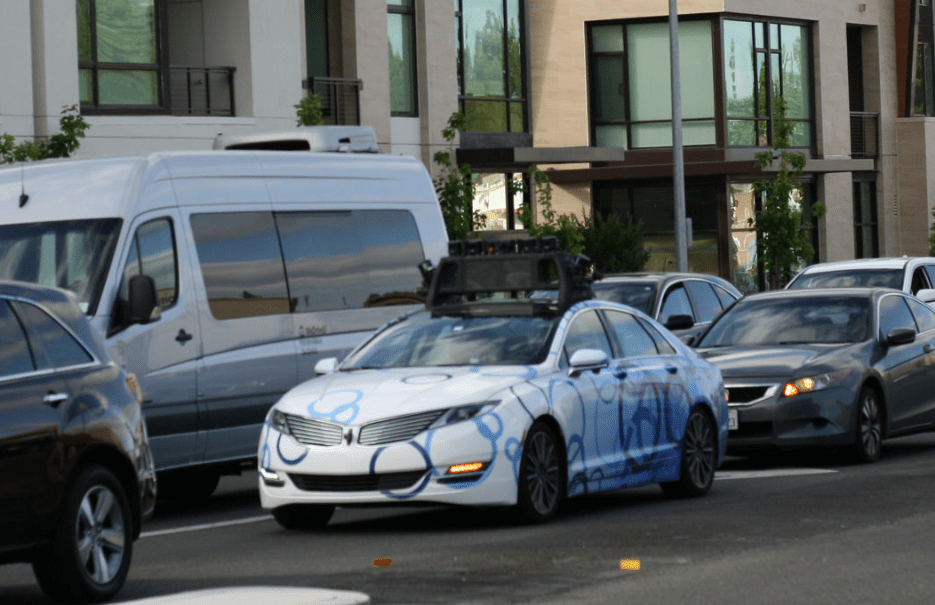
- Automakers are pushing federal regulators to let them deploy thousands of autonomous vehicles with no backup drivers on public streets, and the National Association of City Transportation Officials is pushing back (Streetsblog). AVs need to be regulated appropriately to reach their full potential without reinforcing and compounding the problems of car dependency, according to experts like the Urban Institute’s Yonah Freemark (Government Technology).
- It’s time to prioritize moving people over cars. (Earth Island Journal)
- “Range anxiety” is a joke in the U.S., where most trips are less than 30 miles, but most drivers won’t settle for less than 300 miles of range from an electric vehicle. (Bloomberg)
- E-scooter trips increase when the weather is hot, but not when it rains. (The Conversation)
- Delivery robots could help keep cars off the road, but they face the same challenge as humans — janky sidewalks. (Streetsblog)
- Hillsborough Area Regional Transit and Uber are offering Tampa Bay residents free rides as authorities urge evacuating in the wake of Hurricane Ian. (WTSP)
- As Wisconsin cities seek to redesign streets to make them safer, the state DOT stands in the way. (Wisconsin Public Radio)
- There is still hope for Bay Area transit, despite its anxiety-inducing mess of 27 different transit agencies. (San Francisco Chronicle)
- Cincinnati residents are pressuring the city on Vision Zero after a particularly dangerous summer. (Soapbox Media)
- A 600-acre development in Utah is being designed to be a made-from-scratch 15-minute city. (Urban Land Institute, Streetsblog USA)
- The Birmingham XPress, its first bus rapid transit line, launched service last week. (Alabama News Network)
- The Houston Metro is considering whether some of its park-and-ride lots could be converted to retail space where transit riders are the customers. (Houston Chronicle)
- A $100-a-month D.C. Metro subsidy for Washington residents has cleared a key committee. (DCist)
- Washington, D.C.’s last remaining streetcar trestle that could become a walking and biking trail has won a reprieve. (Post)
- Greater Greater Washington details the history of Capital Bikeshare.
- In case parking garages don’t fuel your nightmares already. (WSB)

Blake Aued has been doing Streetsblog's daily national news digest for years. He's also an Atlanta Braves fan, which enrages his editor in New York.
Read More:
Streetsblog has migrated to a new comment system. New commenters can register directly in the comments section of any article. Returning commenters: your previous comments and display name have been preserved, but you'll need to reclaim your account by clicking "Forgot your password?" on the sign-in form, entering your email, and following the verification link to set a new password — this is required because passwords could not be carried over during the migration. For questions, contact tips@streetsblog.org.
More from Streetsblog USA
Friday Video: Inside the Global Far-Right Push To Rip Out Bike Lanes
Toronto might be in the center of the fight to resist bike lane teardown today. But if some far-right politicians have their way, this fight won't be the last.

October 23, 2026

Friday’s Headlines Shoot Themselves in the Foot
Gas taxes pay for transit, too, so what happens when politicians pander to voters, and the highway trust fund runs dry?
October 23, 2026
Talking Headways Podcast: A More Humanized Experience in Honolulu
If we look transit just as a distance issue, but as a time issue, performance should be discussed as one big whole.

October 22, 2026

Our Best Bet To Confront Climate Change in the Trump Era? Build More Apartments
Most climate strategies are hamstrung by Washington and culture wars across the country. But zoning reform may be the exception.

October 22, 2026

What ‘Flying Cars’ Could Mean For US Car Culture
Would fleets of flying cars be a dystopian nightmare, or a chance to create more walkable cities on the ground?

October 22, 2026