Special Delivery From Wednesday’s Headlines
Why are U.S. transit projects so expensive? How can cities make up the loss of revenue from commuters? And what can they do to protect pedestrians from delivery trucks?
By
Blake Aued
12:00 AM EDT on March 30, 2022
- For lots of reasons, transit projects cost on average 50 percent more to build in the U.S. than in other countries. (Marketplace)
- Cities continue to lose commuter-related revenue due to working from home, and it’s unlikely they’ve seen the full hit yet as federal funds are currently filling their budget holes. (Smart Cities Dive)
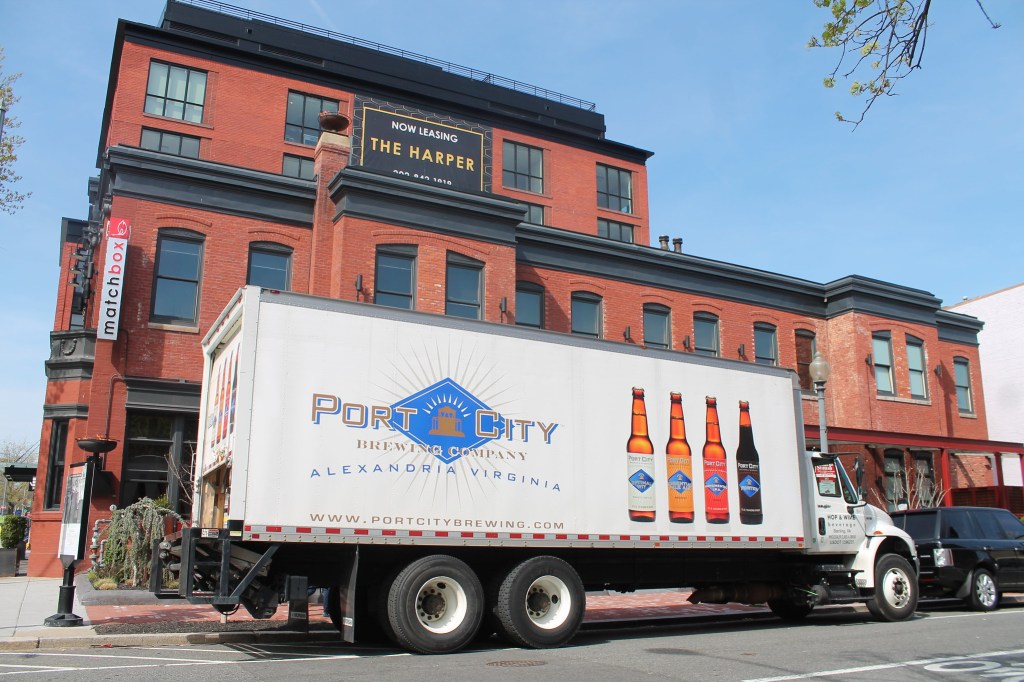
- Policymakers need to start thinking about how to keep pedestrians safe as delivery trucks become more common on city streets. (Planetizen)
- Tesla CEO Elon Musk is a master troll, but federal regulators have gotten pretty good at getting under Musk’s skin, too. (Washington Post)
- Uber is close to cutting a deal to list taxis on its app in San Francisco, similar to its recent agreement with New York City cab companies. (NY Times)
- It’s spring, which means the governor of New Jersey is raiding the capital budget to pay for transit operations because transit doesn’t have a dedicated source of funding. (NJ.com)
- With federal COVID relief running out and commuters still staying away from rail, the Massachusetts Bay Transportation Authority is headed for a massive budget deficit, and no one seems to be doing much about it. (CommonWealth)
- Two downtown Milwaukee streets are slated for road diets that will reduce car lanes and add separated bike lanes. (Journal-Sentinel)
- Gondolas are being proposed as a cheaper alternative to light rail in West Seattle. (KING)
- Syracuse has commissioned a new study on removing the I-81 viaduct and reconnecting the street grid. (Post-Standard)
- Columbia, South Carolina, counted cyclists and pedestrians to determine the most heavily trafficked areas. (WLTX)
- The Memphis Area Transit Authority is testing new trolleys for upgraded light-rail service. (ABC 24)
- In a typically nonsensical comment at a Trump rally (CNN), Georgia Rep. Marjorie Taylor Greene told Transportation Secretary Pete Buttigieg and his husband to take their EVs and bikes and stay out of girls’ bathrooms. To which Buttigieg replied, “I don’t know what you’d do with an electric vehicle in any bathroom.” (Yahoo! News)

Blake Aued has been doing Streetsblog's daily national news digest for years. He's also an Atlanta Braves fan, which enrages his editor in New York.
Read More:
Streetsblog has migrated to a new comment system. New commenters can register directly in the comments section of any article. Returning commenters: your previous comments and display name have been preserved, but you'll need to reclaim your account by clicking "Forgot your password?" on the sign-in form, entering your email, and following the verification link to set a new password — this is required because passwords could not be carried over during the migration. For questions, contact tips@streetsblog.org.
More from Streetsblog USA
In New Jersey, Mayors Show How Quickly We Can Slow Down Drivers
In Jersey City, Mayor James Solomon will install 100 quick-build safety measures, giving a new meaning to the term, "Safety first."

June 12, 2026
Friday Video: What Happens When World Cup Fans Come to America
It is difficult to go to a sportball game in the United States compared to Europe, so let City Nerd Ray Delahanty explain it all to you.

June 12, 2026
Friday’s Headlines Are Still Dangerous
We're seeing a "regression to the mean" after a brief dip in pedestrian deaths.
June 12, 2026
Talking Headways Podcast: Are Arterials Unsafe? Or Are We Making Them Unsafe?
A true roads scholar speaks about the real danger on our streets.

June 11, 2026
Latest Report Shows That Sprawl Continues To Hamstring Youth, Limit Opportunities
Residents of compact and connected neighborhoods have lower energy costs, better health outcomes, lower exposure to vector-borne diseases, well-connected social lives and greater opportunities for children to thrive. But you knew that.
June 11, 2026