Monday’s Headlines Are Going in Circles
Good transportation policy is also good health-care policy. Effective transit makes it easier for people to get to their doctor’s appointments. (Vox) With e-commerce up 30 percent during the pandemic, Americans’ online shopping habit has severe consequences for the environment. (Politico) The cobalt needed to manufacture electric car batteries is becoming the new blood diamonds. … Continued
By
Blake Aued
12:00 AM EST on November 22, 2021
- Good transportation policy is also good health-care policy. Effective transit makes it easier for people to get to their doctor’s appointments. (Vox)
- With e-commerce up 30 percent during the pandemic, Americans’ online shopping habit has severe consequences for the environment. (Politico)
- The cobalt needed to manufacture electric car batteries is becoming the new blood diamonds. (New York Times)
- Tesla’s “full self-driving” mode is a disaster. (CNN)
- $19 billion from the infrastructure bill is headed to the DMV and could pay to renovate Union Station and build a new train bridge across the Potomac. (DCist)
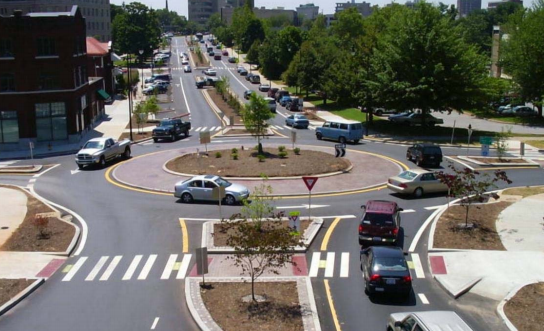
- The New York Times also touted the climate benefits of roundabouts, focusing on Carmel, Indiana, which has more of them than anywhere in the country. Yes, they’re safer for drivers, but the goal should be to get people to drive less.
- Streetsblog MASS has some suggestions for newly elected pro-transit mayor Michelle Wu.
- New Cincinnati mayor Aftab Pureval won by making climate change a centerpiece of his campaign. (Governing)
- Lame-duck Pittsburgh mayor Bill Peduto also prioritized climate change in the last budget he’ll submit. (Natural Resources Defense Council)
- San Francisco’s privately operated bike-share monopoly has been plagued with financial woes and high rates of vandalism and theft, leaving its future in doubt. (Examiner)
- A Maryland lawmaker finds Baltimore almost unnavigable without a car, but she’s giving hers up anyway. (Washington Post)
- Even bolstered by CARES Act funding, the Columbus, Ohio transit agency is projected to exhaust its reserve funds by 2028. (Dispatch)
- Dallas has a $2 billion backlog of sidewalk repairs. (NBC DFW)
- The Houston Metro is buying 20 new electric buses. (Chronicle)
- A little-noticed Texas referendum will make it easier for rural jurisdictions to build roads. (Rice Kinder Institute)
- Norway’s incentives to buy electric vehicles have been so successful that it’s blowing a hole in the country’s budget. (Wired)

Blake Aued has been doing Streetsblog's daily national news digest for years. He's also an Atlanta Braves fan, which enrages his editor in New York.
Read More:
Streetsblog has migrated to a new comment system. New commenters can register directly in the comments section of any article. Returning commenters: your previous comments and display name have been preserved, but you'll need to reclaim your account by clicking "Forgot your password?" on the sign-in form, entering your email, and following the verification link to set a new password — this is required because passwords could not be carried over during the migration. For questions, contact tips@streetsblog.org.
More from Streetsblog USA
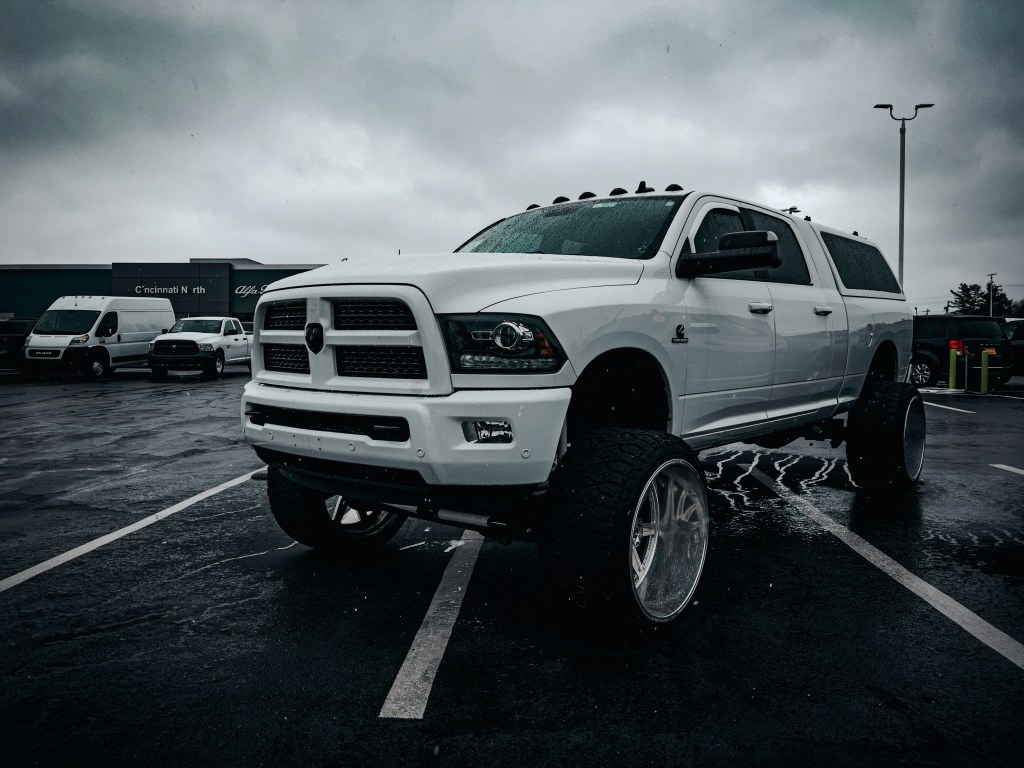
Why US Roads Are Full of SUVs and Trucks, Part I
Everyone says that Americans just love SUVs and pick-ups. But is that really true — or are there solvable structural reasons why our streets look like a monster truck rally?

October 19, 2026
Every Friday’s Headline Is Sacred
When transit funds are wasted, God gets quite irate.
October 16, 2026

Friday Video: When Walkability Isn’t Enough … Even in the Great Cities of Europe
What happens when livable places get overwhelmingly popular before we can build more of them — or when other failures of design and governance make them bad places to live?

October 16, 2026

Newsom Signs Bill to Better Align California Transportation Spending With Climate Goals
SB 1087 updates California’s landmark sustainable communities law, strengthening the connection between regional climate plans and transportation investments.

October 15, 2026