All Hail Friday’s Headlines
But don't hail Uber or Lyft if you care about transit and the environment. Plus, more on the infrastructure bill and other headlines.
By
Blake Aued
12:00 AM EST on November 19, 2021
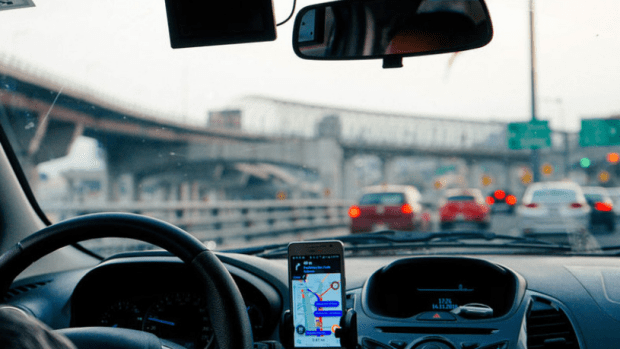
- In contrast to Uber and Lyft’s claims that they want to be partners of transit agencies rather than competitors, a recent study found that half of all ride-hailing trips replaced trips that could have been taken by transit, while only 2 percent were to or from transit stops. (Quartz)
- Another study found that riding-hailing has a negative effect on greenhouse gas emissions because, while users drive their own cars less, that’s more than outweighed by the miles Uber and Lyft drivers travel. (Natural Resources Defense Council)
- A true intercity passenger rail system in the Upper Midwest is a longshot. (Railway Age)
- The infrastructure bill will boost funding for transit agencies by an average of 30 percent. (Railway Tracks & Structures)
- The bill also provides funding for cleaner transportation alternatives like electric shuttles and e-scooters at national parks. (E&E News)
- If state transportation agencies are smart, they’ll spend their federal infrastructure money on safety, which in addition to saving lives delivers the biggest bang for the taxpayer’s buck. (State Smart Transportation Initiative)
- Transportation Secretary Pete Buttigieg will visit a future Phoenix light rail line today to promote the infrastructure bill. (Arizona Republic)
- Washington, D.C. resident Nina Larson is now just a statistic, a Facebook photo, one of the thousands of pedestrians killed by drivers each year, thanks to reckless behavior and unsafe street design. (The Atlantic)
- San Diego repealed parking minimums for businesses in dense areas or near transit, allowing them to utilize that space for outdoor dining or more retail. (Union-Tribune)
- A north-south MetroLink line is back on the table in St. Louis because of the infrastructure bill. (Post-Dispatch)
- Seattle isn’t enforcing a law requiring property owners to maintain sidewalks, nor does it spend enough on sidewalks to fix problems itself. (Crosscut)
- Moscow’s new facial recognition system for transit fares raises concerns about privacy and surveillance. (New York Times)
- A British company is turning empty parking lots into delivery hubs. (The Guardian)

Blake Aued has been doing Streetsblog's daily national news digest for years. He's also an Atlanta Braves fan, which enrages his editor in New York.
Read More:
Streetsblog has migrated to a new comment system. New commenters can register directly in the comments section of any article. Returning commenters: your previous comments and display name have been preserved, but you'll need to reclaim your account by clicking "Forgot your password?" on the sign-in form, entering your email, and following the verification link to set a new password — this is required because passwords could not be carried over during the migration. For questions, contact tips@streetsblog.org.
More from Streetsblog USA
Every Friday’s Headline Is Sacred
When transit funds are wasted, God gets quite irate.
October 16, 2026

Friday Video: When Walkability Isn’t Enough … Even in the Great Cities of Europe
What happens when livable places get overwhelmingly popular before we can build more of them — or when other failures of design and governance make them bad places to live?

October 16, 2026
Newsom Signs Bill to Better Align California Transportation Spending With Climate Goals
SB 1087 updates California’s landmark sustainable communities law, strengthening the connection between regional climate plans and transportation investments.

October 15, 2026

Talking Headways Podcast: The Passion Problem in Public Transit
Where should the most enthusiastic supporters of transit try to work?

October 15, 2026
Thursday’s Headlines Are Trouble for Tesla
Autonomous vehicles just can't seem to behave themselves.
October 15, 2026