Boston Mayor Wu Proposes More Fare-Free Bus Routes
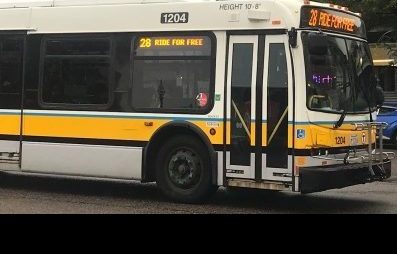
In her first full day at work as the new Mayor of Boston, Mayor Michelle Wu followed through on her longstanding advocacy to reduce MBTA fares with a proposal to expand fare-free service on three of Boston’s bus routes: the 23, 28, and the 29.
The program would last for two years, and expand on an existing 4-month pilot that has suspended fare collections on the 28, the state’s busiest bus line, which runs on Warren Street and Blue Hill Avenue between the Ruggles Orange Line station and Mattapan Square.
While the bus system as a whole is still only carrying around 70 percent of their pre-pandemic passenger volumes, ridership on the fare-free 28 grew quickly in the weeks after fares were suspended in September.
The other two bus routes in Wu’s proposal each share portions of their routes with the 28, through neighborhoods with high densities of transit-dependent households.
The 23, which ranks among the T’s 10 busiest bus routes, runs from Ruggles to the Ashmont Red Line station via Warren Street.
The 29, which runs between the Jackson Square Orange Line stop and Mattapan Square, runs along Blue Hill Avenue and the new Columbus Avenue busway.
Mayor Wu’s proposal would rely on an $8 million request for federal funding to compensate the MTBA for lost fare revenue. Wu filed that funding request with the Boston City Council on Wednesday, her first full day in office as the Mayor of Boston.

Read More:
Streetsblog has migrated to a new comment system. New commenters can register directly in the comments section of any article. Returning commenters: your previous comments and display name have been preserved, but you'll need to reclaim your account by clicking "Forgot your password?" on the sign-in form, entering your email, and following the verification link to set a new password — this is required because passwords could not be carried over during the migration. For questions, contact tips@streetsblog.org.