Thursday’s Headlines Are Getting Hot in Here
A U.S. study found that transit policies to mitigate climate change also improve equity. Across the pond, Wales decided to just stop building roads.
By
Blake Aued
12:01 AM EDT on June 24, 2021
- Research shows that when transit agencies work to mitigate climate change, they also make the system more equitable. For example, Boston’s subway is at greater risk of flooding — and so are low-lying, low-income neighborhoods whose residents rely on transit. (Bloomberg)
- On transit funding, traffic congestion and the question of whether streets are for people or merely cars, cities are at a crossroads as the pandemic winds down. (The Conversation)
- The pandemic showed that cities need to keep getting denser and improve transit. (Policy Options)
- Driving is bad for many reasons, but the lackluster state of transit even in major cities like, say, Baltimore, mean that owning a car drastically improves quality of life. (Gizmodo)
- People who get deliveries and use ride-hailing services should share in the costs of road upkeep. (Politico)
- Lower-income neighborhoods have fewer trees, and that’s a problem because shade from trees makes neighborhoods more walkable. (Fast Company)
- Maryland officials want to cut funding for transit losses to offset private investors’ losses on tolls during the pandemic. (Washington Post)
- A coalition of labor, community and civil rights groups is mobilizing to stop a Prop 22-style gig economy law in Massachusetts. (Market Watch)
- St. Paul added more bike lanes in 2020 but still doesn’t have a bike-share. (Star Tribune)
- Even as traffic picks up, Wisconsin officials are still seeing a lot of speeding and driving while impaired. (Wisconsin Public Radio)
- Los Angeles broke ground on a $900 million light rail line to LAX. (KCAL)
- Improvements to Atlanta’s notorious DeKalb Avenue will include bike lanes, sidewalk repairs and getting rid of its notorious reversible “suicide lane.” (AJC)
- Phoenix officials bowed to bikelash and scrapped plans for a road diet on Central Avenue. (New Times)
- Recognizing it’s not making enough progress towards its goal of zero emissions by 2050, the Welsh government is freezing all new road construction. Instead, that money will be spent on road repairs and bike infrastructure. (The Guardian)

Blake Aued has been doing Streetsblog's daily national news digest for years. He's also an Atlanta Braves fan, which enrages his editor in New York.
Read More:
Streetsblog has migrated to a new comment system. New commenters can register directly in the comments section of any article. Returning commenters: your previous comments and display name have been preserved, but you'll need to reclaim your account by clicking "Forgot your password?" on the sign-in form, entering your email, and following the verification link to set a new password — this is required because passwords could not be carried over during the migration. For questions, contact tips@streetsblog.org.
More from Streetsblog USA
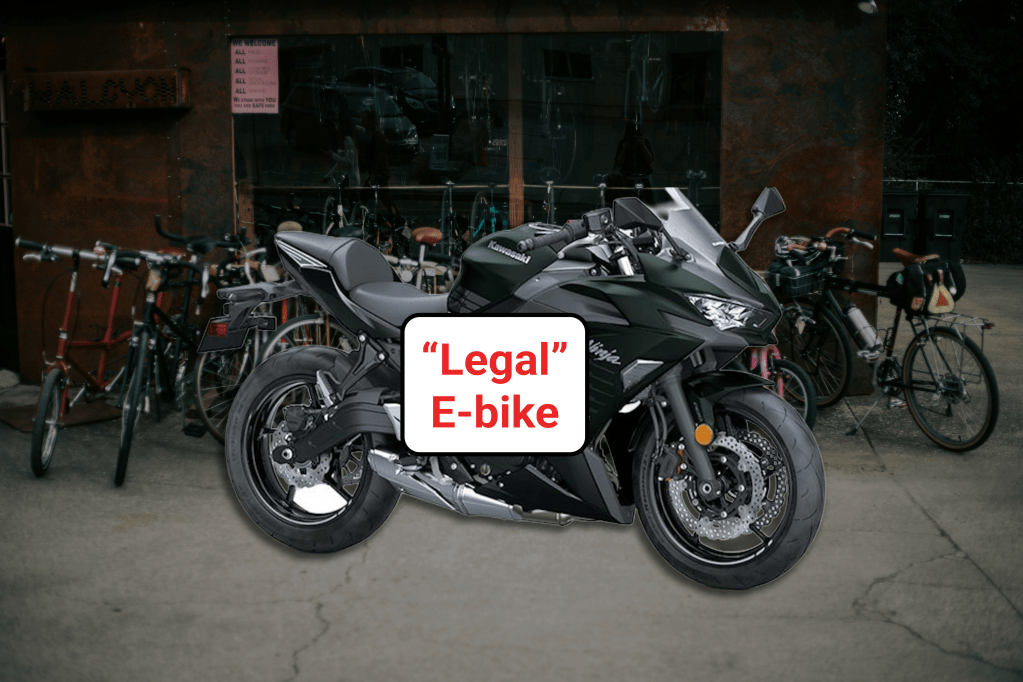
State Lawmakers Aim At Illegal E-Motos, But Hit E-Bikes Instead
A deceptive and widespread marketing tactic has tricked families into purchasing dangerous e-motos and fooled lawmakers into pushing laws that would make streets even less safe.

August 5, 2026
Wednesday’s Headlines Flock Together
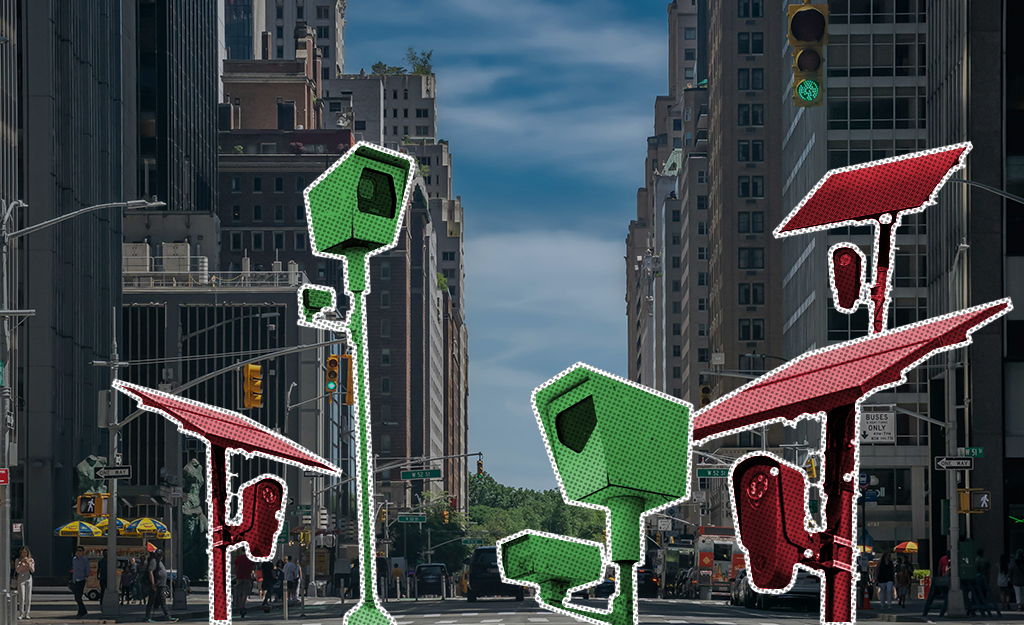
Some traffic enforcement cameras are installed in a way that makes them dangerous to road users.
August 5, 2026
Tuesday’s Headlines Face Their Fears
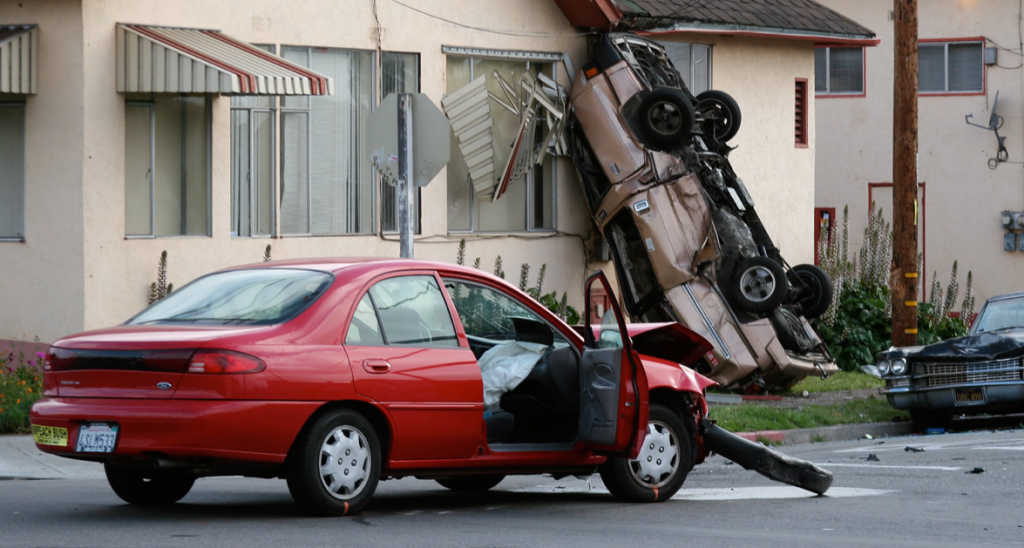
A third of Americans say car crashes are the biggest threat to their safety.
August 4, 2026
Oklahoma City Is Taking Transit Seriously (Which Is What Booming Regions Should Do)
The Big Friendly considers a small sales tax to boost transit, which is so necessary in a booming region.

August 3, 2026
Monday’s Headlines Are High on Highways
Roads already receive a disproportionate amount of federal transportation funding, and it will get worse if Republicans have their way.
August 3, 2026