Don’t victim-blame architect Helmut Jahn for his tragic bike crash death
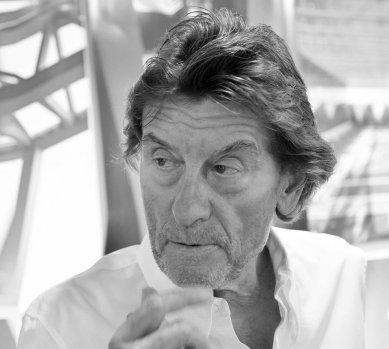
Chicago lost one of the giants of its architecture community on Saturday when two motorists struck and killed architect Helmut Jahn, 81, on his bicycle Saturday in west-suburban Campton Hills, near St. Charles.
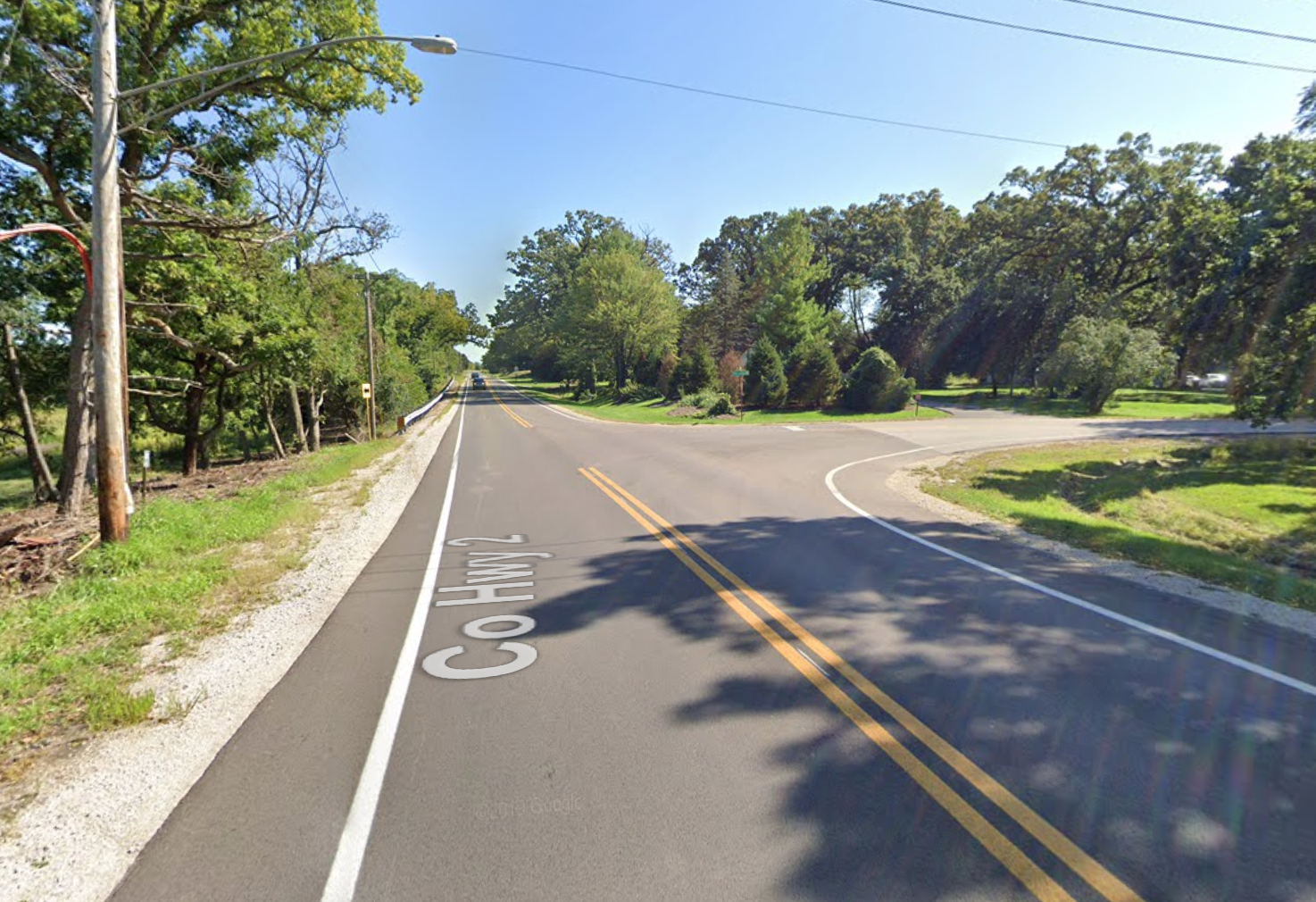
According to the Campton Hills Police Department, on Saturday, May 8, at about 3:30 p.m. Jahn was riding northeast on Old Lafox Road, a quiet two-lane road, toward its T-shaped intersection with Burlington Road, a busier highway. The junction is about a mile north of the Great Western Trail.
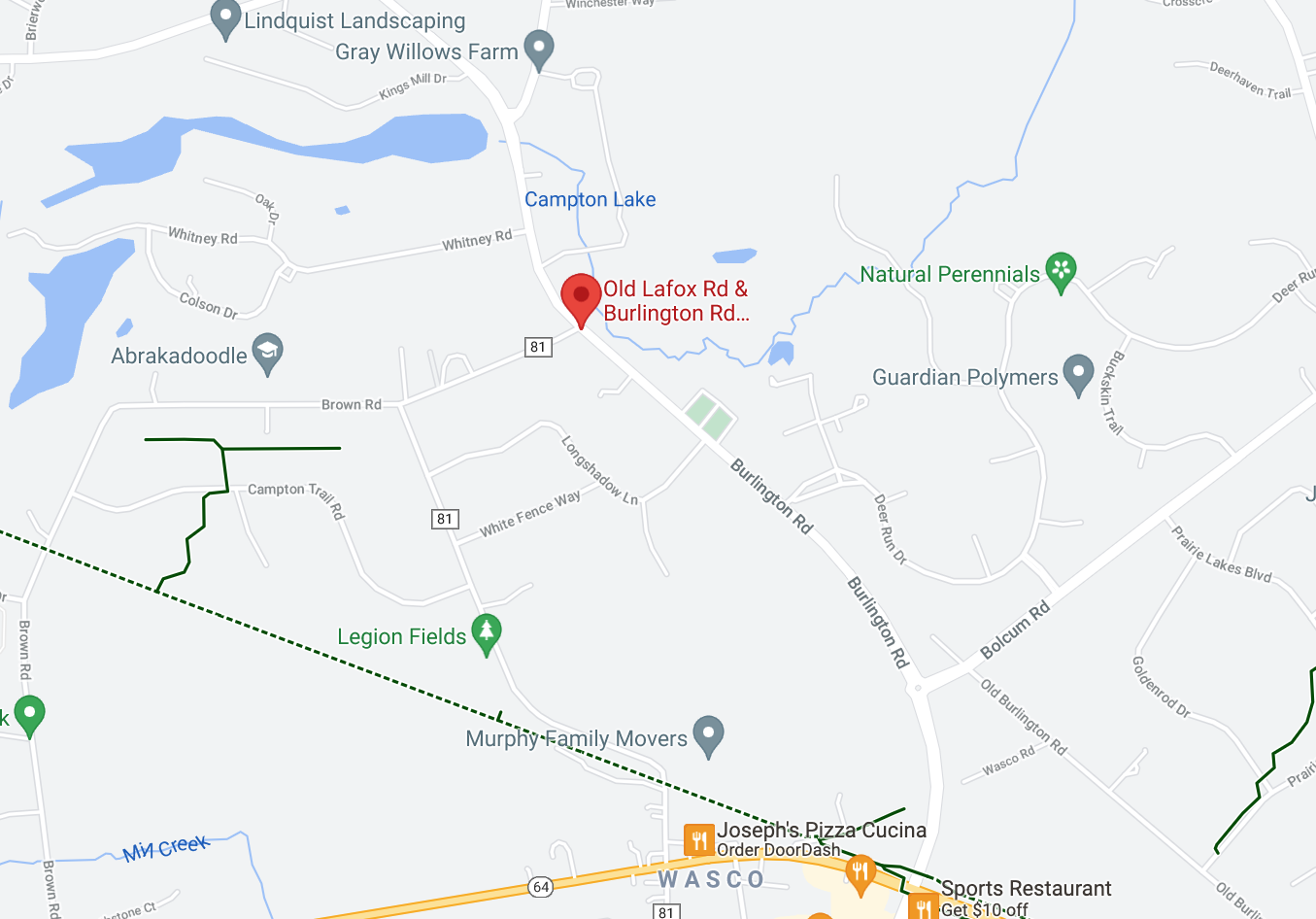
According to a statement from the police, Jahn “failed to stop at the posted stop sign.” Campton Hills Officer Scott Coryell told the Chicago Tribune, “That’s what multiple witnesses relayed. For an unknown reason, he failed to stop.” A department spokesperson told Streetsblog today he was unsure whether the witnesses were the drivers involved in the crash, or third-party bystanders.
According to the police statement, Howard Knoll, who was driving southeast on Burlington, struck Jahn in the southeast-bound lane. Then northwest-bound motorist Emily Palmisano struck the cyclist in the northwest-bound lane.
Jahn was pronounced dead on the scene, police said. Palmisano was taken to Northwestern Medicine Delnor Hospital in Geneva with non-life-threatening injuries. Knoll and his passenger Harriet Knoll were uninjured.
In the wake of the tragedy, some online commenters have been quick to blame Jahn for his own death. While it’s not clear yet how reliable the witness accounts are (if the testimony is from the involved drivers, it should be taken with a grain of salt), even if Jahn did make an error, he didn’t deserve to pay for it with his life.
One possible scenario is that Jahn was attempting to make an “Idaho stop,” treating the stop sign like a yield sign, which is legal in some states, and mistimed how fast the drivers were approaching. It’s important to remember that, as an octogenarian, it’s unlikely he darted into the intersection at a lightning-fast speed. And, again, if the only “witnesses” were the drivers who struck him, we don’t have reliable information about whether speeding or distracted driving were factors in their failures to stop in time to avoid the collisions.
Some commenters on a local sustainable transportation Facebook discussion group even went as far as to say that Jahn deserved his fate, not only for reportedly running the stop sign, but because of past allegations of sexist behavior by the architect. That’s a truly heartless thing to say about the death of a fellow human being.
“The point isn’t whether or not it’s [Jahn’s] fault,” said one person in the group. “The point is it sucks when cyclists get killed even if it’s their fault.”
Regardless of your perspective on Jahn’s career, he inarguably left his mark on the world with many distinctive postmodern buildings in Chicago and elsewhere. However the future of one of his most prominent designs, the Thompson Center (local bike messengers nicknamed it the Tom-Tom for its drum-like shape), which houses offices for the state of Illinois and the CTA’s Clark/Lake station, is currently in doubt.
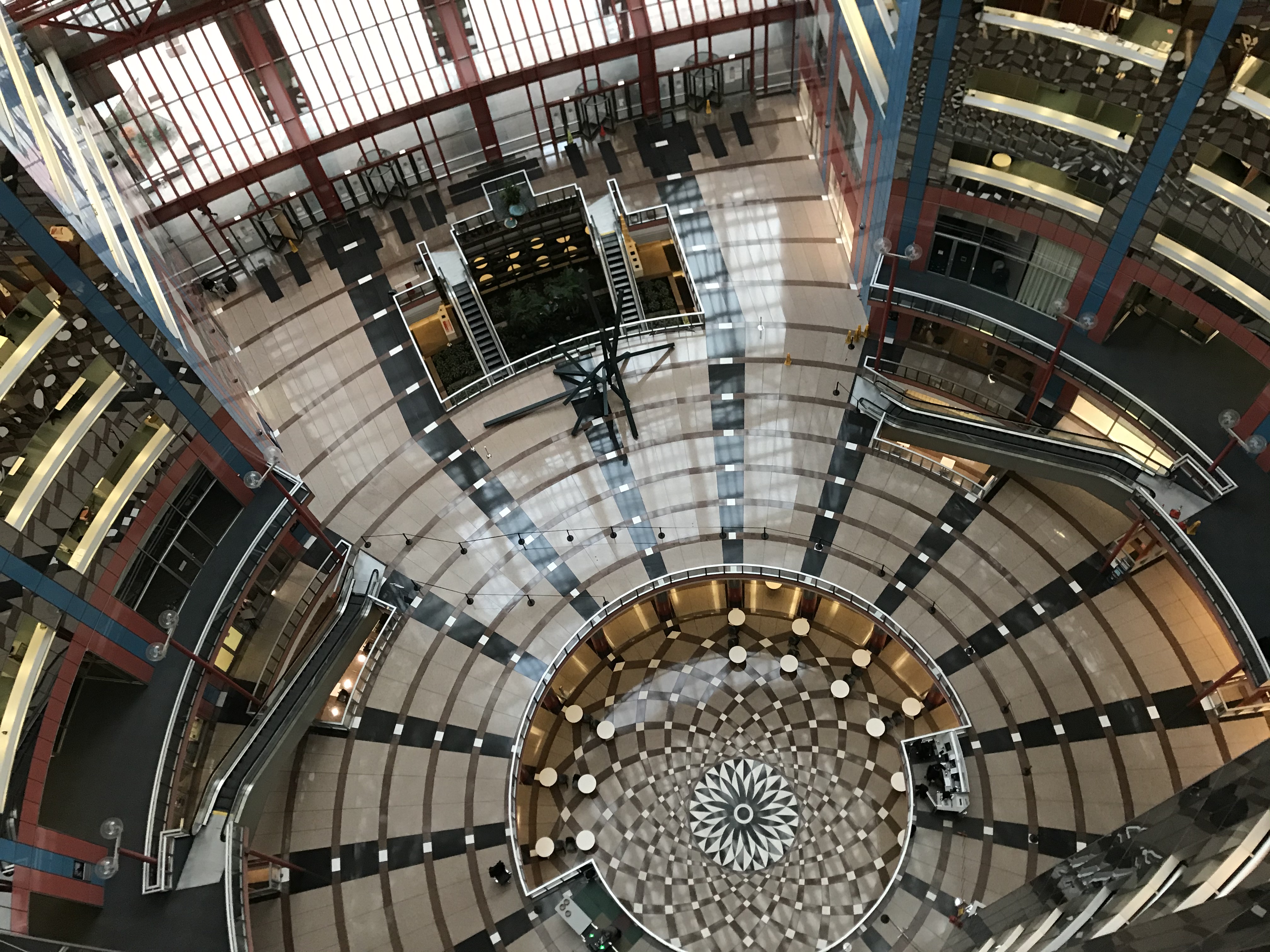
Built in 1985 when Jahn, a German immigrant, was only 39, the salmon-and-baby-blue-colored structure is viewed as ugly by some Chicagoans, iconic by others. I, for one, am always inspired by its lofty atrium, and it’s a fun fact that the building played a starring role in the Gregory Hines and Billy Crystal cop buddy flick “Running Scared.” However, the structure reportedly has hundreds of millions of dollars of deferred maintenance, and last week the state began soliciting bids for the building’s sale, which could lead to its demolition.
Other iconic local Jahn designs noted by the Tribune include the Xerox Center at 55 W. Monroe St., the modernist addition to the Art Deco Board of Trade Building, and Terminal 1 at O’Hare, including a tunnel with moving sidewalks between concourses, memorably illuminated with a rainbow neon light show.

Hopefully it will be some comfort to Jahn’s family members that his legacy will live on in the structures he leaves behind. They should also know that many of us who ride bikes in Chicagoland feel empathy for him due to the way he left this world.
Read More:
Streetsblog has migrated to a new comment system. New commenters can register directly in the comments section of any article. Returning commenters: your previous comments and display name have been preserved, but you'll need to reclaim your account by clicking "Forgot your password?" on the sign-in form, entering your email, and following the verification link to set a new password — this is required because passwords could not be carried over during the migration. For questions, contact tips@streetsblog.org.