Tuesday’s Headlines Pay for Roads Whether We Use Them or Not
Over half of road funding does not come directly from road users, according to the Union of Concerned Scientists.
By
Blake Aued
12:01 AM EDT on April 28, 2026
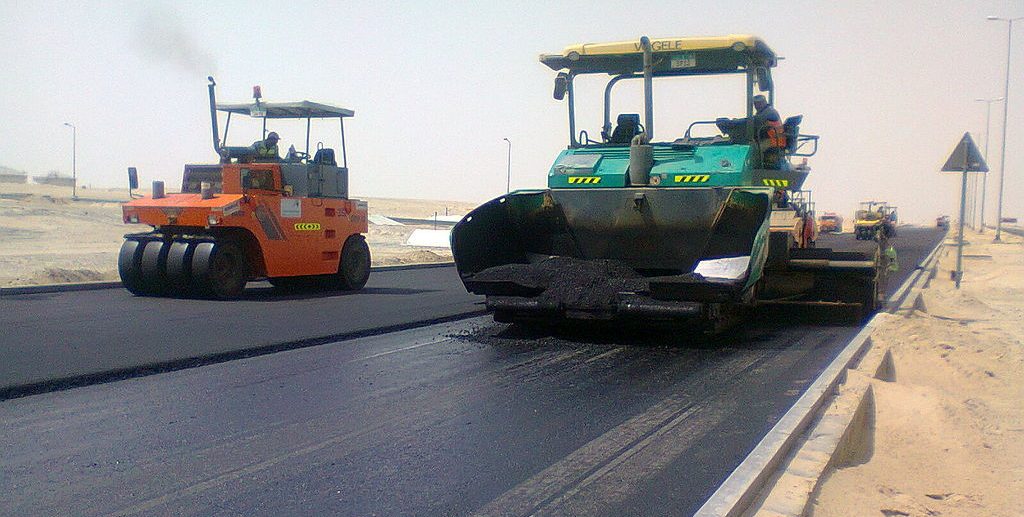
- The idea that drivers pay for roads through fuel taxes is a myth, because funding sources also include property taxes, sales taxes and income taxes that people pay regardless of whether they drive or not (The Equation). Some states are now looking at funding mechanisms that discourage driving, rather than encouraging people to drive more so that they pay more in taxes (Brookings Institute).
- More than 900 local transit agencies and advocates have formed a coalition to protect funding for bus service in the upcoming federal surface transportation authorization bill. (Metro)
- The U.S. DOT announced a new program called Pathways to Safer Streets aimed at reducing traffic deaths. (Traffic Technology Today)
- How are people going to get from their hotels to World Cup matches? In many host cities, parking and transit are limited and/or exorbitantly expensive. (Bloomberg)
- Atlanta and Riverside, California are the most sprawling cities in the U.S., while San Francisco is the most compact. (Journal of the American Planning Association)
- Seattle Mayor Katie Wilson announced new bus lanes on Denny Way to improve service on the notoriously unreliable Route 8. (Seattle Bike Blog)
- Washington, D.C. is using advisory bike lanes to protect cyclists and keep them off the sidewalk on narrow, low-usage streets. Streets have one car lane and two for bikes, but drivers are allowed to move into the bike lanes to pass each other. (NACTO)
- The A-line quickly became Denver’s most popular light rail line after it opened in April 2016, but growth has slowed at least in part because tickets are $20, so for a family it’s cheaper to drive to the airport and park. However, the Regional Transportation District’s fiscal problems make it tough to lower the fare. (Denverite)
- A proposed Sacramento ballot measure would raise $75 million a year for road repairs, transit and pedestrian safety, but some are concerned about raising sales taxes up to 9.25 percent. (Cap Radio)
- Dubai is extending its Metro Gold Line 42 kilometers, serving an additional 1.5 million residents. (Gulf News)
- Mexico paid almost $6 billion to nationalize the privately owned Suburban Train System. (Mexico Business News)

Blake Aued has been doing Streetsblog's daily national news digest for years. He's also an Atlanta Braves fan, which enrages his editor in New York.
Read More:
Streetsblog has migrated to a new comment system. New commenters can register directly in the comments section of any article. Returning commenters: your previous comments and display name have been preserved, but you'll need to reclaim your account by clicking "Forgot your password?" on the sign-in form, entering your email, and following the verification link to set a new password — this is required because passwords could not be carried over during the migration. For questions, contact tips@streetsblog.org.
More from Streetsblog USA
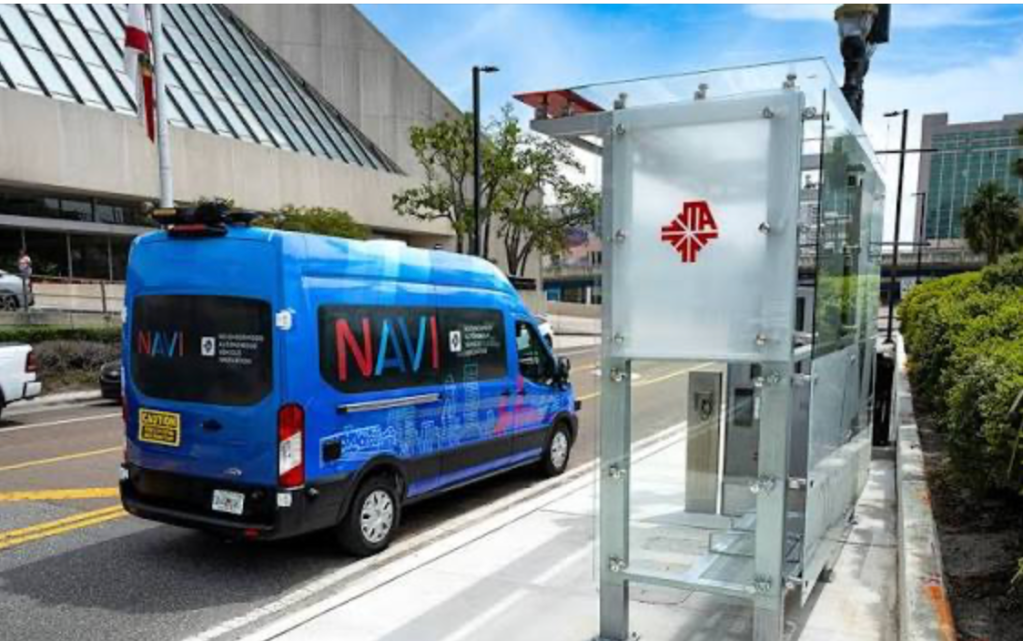
Is America’s ‘First Autonomous Transit System’ Really Dead?
And what should Jacksonville teach us all about the role of technology in our transit future?

October 13, 2026
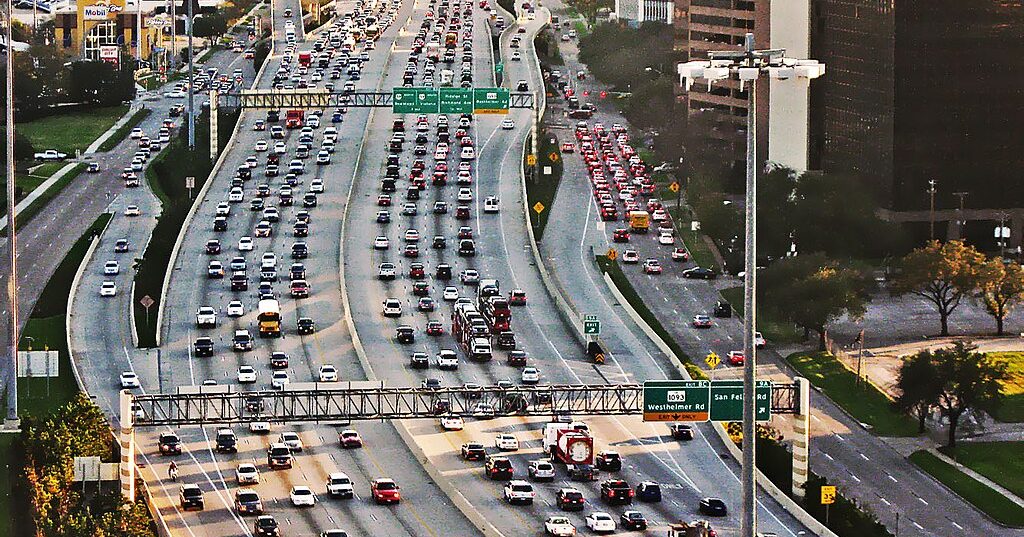
Inducing Demand for Tuesday’s Headlines
Just more one more lane, bro. I promise, one more lane will fix it.
October 13, 2026
Monday’s Headlines Take Matters Into Our Own Hands
Our editor-at-large Gersh Kuntzman isn't the only one getting up to criminal mischief.
October 12, 2026

Inside Baseball: Kuntzman To Step Down At Streetsblog; David Meyer To Take Over
Streetsblog's longtime editor will take on new challenges. And so will his successor.

October 9, 2026

Friday Video(s): Two Urban Cycling Trips Worth Taking
Choose your own urban cycling adventure: domestic or international edition.

October 9, 2026