Wednesday’s Headlines Say: Less Parking Equals Lower Rents
Tenants are paying hundreds of dollars a month for parking they may not even need.
By
Blake Aued
12:01 AM EDT on April 29, 2026
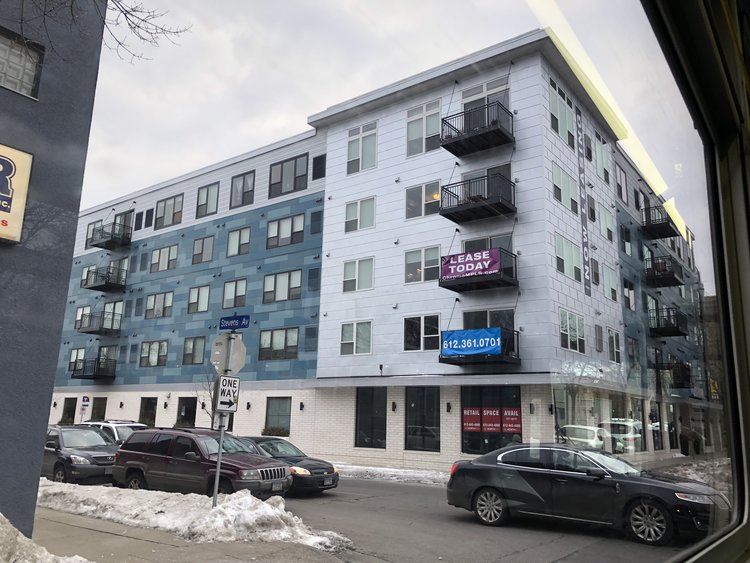
- Cities that have ended parking mandates, such as Austin and Minneapolis, have seen construction booms that brought down rents, because facilities like underground parking can cost up to $100,000 per space. The next step is to start charging a fair market rate for valuable curb space, as Donald Shoup suggested decades ago. (Governing)
- Congress would have to slash all surface transportation spending in half — both roads and transit — to keep the Highway Trust Fund solvent without a new source of revenue, according to an Eno Center for Transportation report.
- A bipartisan bill would streamline federal permitting for rail and transit projects, putting the expedited process on par with highway construction. (Smart Cities Dive)
- Drivers don’t seem to care as much about $4 gas as they used to, partially because inflation means $4 isn’t that much these days, and partially because cars get better mileage. (Heatmap)
- The New York Times did a deep dive into how the Trump administration dismantled an elite group of scientists at the EPA who studied the health effects of pollution without political interference.
- More young people are riding the Los Angeles Metro because it’s free for college students, and Uber has gotten too expensive. (LAist)
- Ridership on San Francisco’s Muni reached its highest level in March since the COVID-19 pandemic. (NBC Bay Area)
- The Charlotte Area Transit System is looking for ways to extend the Silver Line further east, but reaching Matthews as originally planned probably won’t happen. (WCNC)
- Philadelphia transit agency SEPTA is replacing a parking garage near a train station with housing. (Inquirer; paywall)
- A soon-to-be-demolished Houston mall could be the site of a station serving a future bullet train to Dallas. (Chron)
- Utah is breaking ground on a statewide network of paved bike and pedestrian paths and trails that is eventually planned to stretch 2,600 miles. (Axios)
- Sales at Seattle’s Pike Place market rose 6.5 percent since car access was limited in 2024. (The Urbanist)
- A new 14-mile nature corridor in East London could cool surrounding neighborhoods by 7 degrees Celsius. (Metro)
- A Hong Kong bill would standardize regulations for future transit projects. (South China Morning Post)
- Canadians are paying for fossil fuel consumption with their health. (The Narwhal)

Blake Aued has been doing Streetsblog's daily national news digest for years. He's also an Atlanta Braves fan, which enrages his editor in New York.
Read More:
Streetsblog has migrated to a new comment system. New commenters can register directly in the comments section of any article. Returning commenters: your previous comments and display name have been preserved, but you'll need to reclaim your account by clicking "Forgot your password?" on the sign-in form, entering your email, and following the verification link to set a new password — this is required because passwords could not be carried over during the migration. For questions, contact tips@streetsblog.org.
More from Streetsblog USA
Study: Americans Already Doubt the Myth that ‘Driving is Freedom’
...and most of them want real freedom to choose how they get around, too.

October 14, 2026

Wednesday’s Headlines Wake Up
The U.S. DOT's "war on woke" is going to get people killed.
October 14, 2026
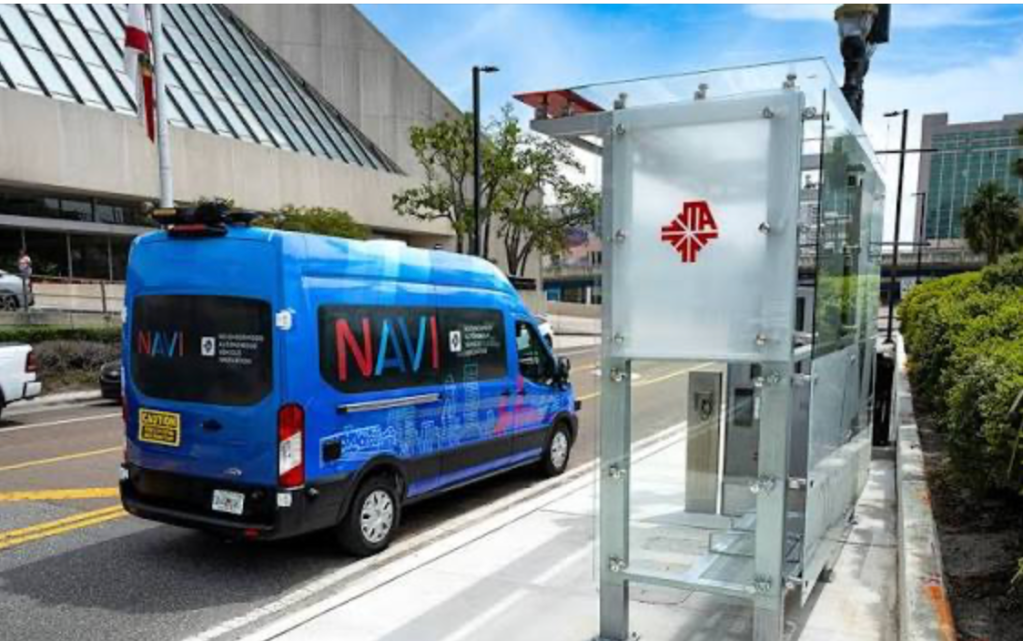
Is America’s ‘First Autonomous Transit System’ Really Dead?
And what should Jacksonville teach us all about the role of technology in our transit future?
October 13, 2026
Why Progressives Don’t Deliver on Federal Transportation Policy
Democrats don’t take their progressive stances into transportation. Beth Osborne unpacks why in the first of this two-part series.

October 13, 2026
Inducing Demand for Tuesday’s Headlines
Just more one more lane, bro. I promise, one more lane will fix it.
October 13, 2026