Thursday’s Headlines
The D.C.-to-Boston corridor, Seattle and Portland are the easiest places to live car-free, while going without a car is hardest in most of the Southeast and Midwest, according to a formula created by urban planner Richard Florida. (City Lab) Apocalyptic environmentalist James Howard Kunstler talks to Strong Towns about how green energy, alternative fuels and … Continued
By
Blake Aued
7:14 AM EDT on September 26, 2019
- The D.C.-to-Boston corridor, Seattle and Portland are the easiest places to live car-free, while going without a car is hardest in most of the Southeast and Midwest, according to a formula created by urban planner Richard Florida. (City Lab)
- Apocalyptic environmentalist James Howard Kunstler talks to Strong Towns about how green energy, alternative fuels and other technologies won’t save the American way of life. Cities will get smaller, and suburbia and interstate highways will have to become things of the past.
- Impeachment proceedings might finally bring an end to the White House’s incessant “infrastructure weeks.” (Roll Call)
- Forget building bike lanes — just slow the traffic. (Price Tags)
- A tentative list of upcoming metro Atlanta transit projects includes rail to the suburbs of Norcross and Clayton County, Emory University, and along the entire 22-mile Beltline, as well as bus rapid transit in DeKalb, Fulton and Gwinnett counties. But regional transit officials acknowledge the list requires billions of dollars in federal grants and may be a bit ambitious. (AJC)
- Transit opponents in Houston have formed a PAC to fight an upcoming $3.5-million bond referendum (Chronicle). No word on where its funding is coming from — could it be the Kochs?
- Washington state and Oregon have agreed to a deal on a new bridge over the Columbia River after Washington agreed to incorporate “high capacity transit.” (Oregonian)
- The Michigan legislature cut $10 million in funding for transit agencies to replace aging buses from the budget it sent to Gov. Gretchen Whitmer. But it puts an extra $400 million into roads and bridges. (Free Press)
- Arlington residents want more buses and bike lanes serving Amazon’s car-centric second headquarters. (ARLnow)
- The Cincinnati school board is urging the city government to adopt Vision Zero. (City Beat)
- President Trump thinks cars should be heavier and use more gas. Add cars to the long list of things Trump knows nothing about. (Jalopnik)

Blake Aued has been doing Streetsblog's daily national news digest for years. He's also an Atlanta Braves fan, which enrages his editor in New York.
Read More:
Streetsblog has migrated to a new comment system. New commenters can register directly in the comments section of any article. Returning commenters: your previous comments and display name have been preserved, but you'll need to reclaim your account by clicking "Forgot your password?" on the sign-in form, entering your email, and following the verification link to set a new password — this is required because passwords could not be carried over during the migration. For questions, contact tips@streetsblog.org.
More from Streetsblog USA
Every Friday’s Headline Is Sacred
When transit funds are wasted, God gets quite irate.
October 16, 2026
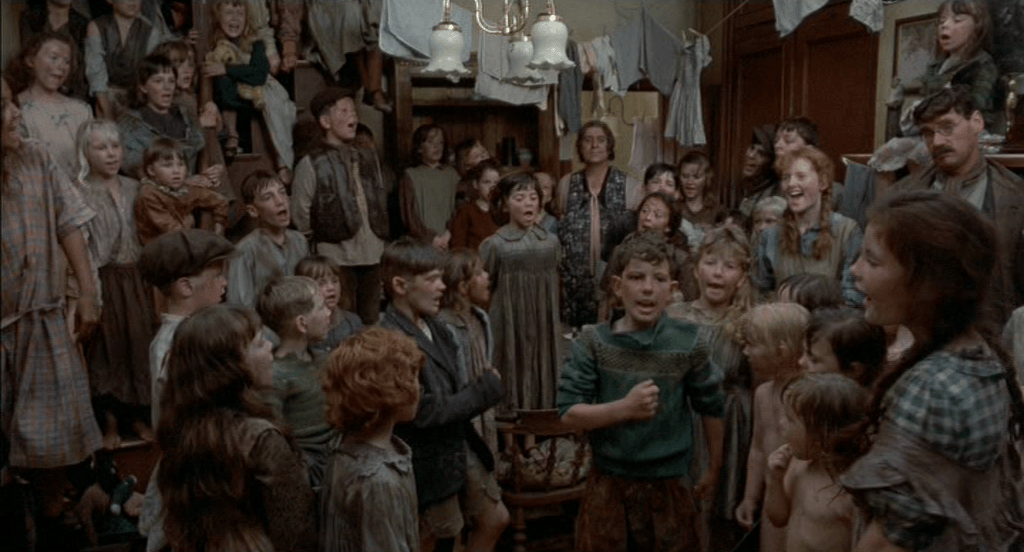
Friday Video: When Walkability Isn’t Enough … Even in the Great Cities of Europe
What happens when livable places get overwhelmingly popular before we can build more of them — or when other failures of design and governance make them bad places to live?
October 16, 2026
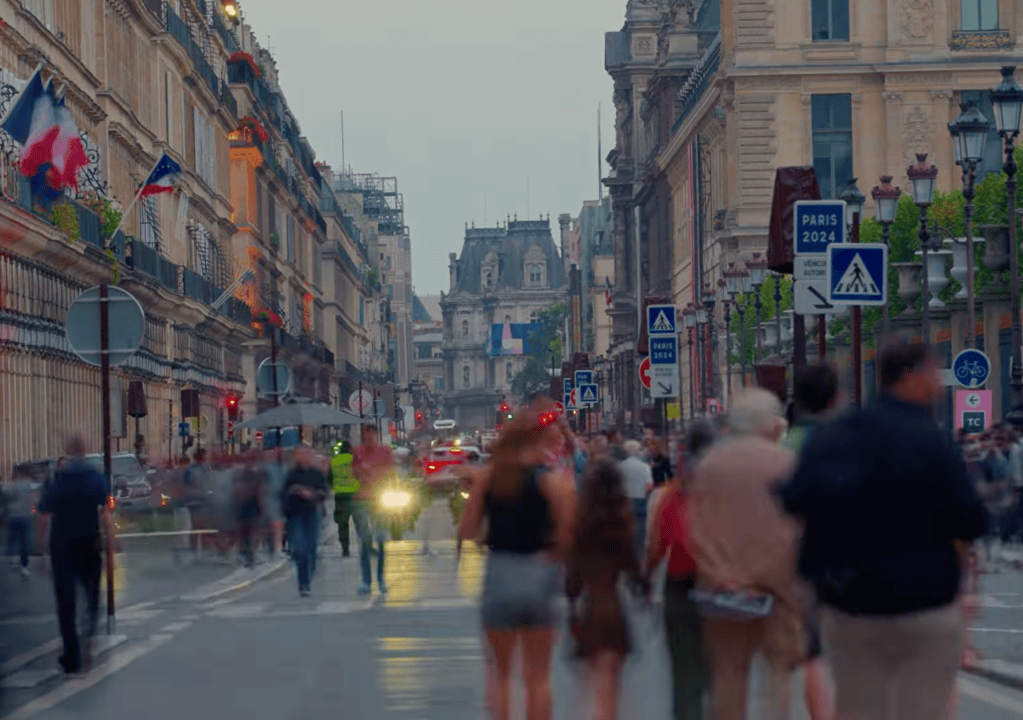
Newsom Signs Bill to Better Align California Transportation Spending With Climate Goals
SB 1087 updates California’s landmark sustainable communities law, strengthening the connection between regional climate plans and transportation investments.

October 15, 2026
Talking Headways Podcast: The Passion Problem in Public Transit
Where should the most enthusiastic supporters of transit try to work?

October 15, 2026
Thursday’s Headlines Are Trouble for Tesla
Autonomous vehicles just can't seem to behave themselves.
October 15, 2026