Monday’s Headlines
The common 30 percent standard for what people should pay for housing doesn’t account for transportation costs. Owning two cars and commuting might take up another 20 percent of a suburban family’s income. (City Observatory) A new CDC study found that an alarming number of people involved in e-scooter crashes in Austin, Texas, suffered head … Continued
By
Blake Aued
12:01 AM EDT on May 6, 2019
- The common 30 percent standard for what people should pay for housing doesn’t account for transportation costs. Owning two cars and commuting might take up another 20 percent of a suburban family’s income. (City Observatory)
- A new CDC study found that an alarming number of people involved in e-scooter crashes in Austin, Texas, suffered head injuries. The study doesn’t really say why or provide much context, although a lack of experience riding scooters and riders not wearing helmets seem like two likely culprits. (City Lab, Streetsblog)
- Believe it or not, House Republicans disagree with President Trump about something: namely, public-private partnerships to build infrastructure. They want such partnerships to stay on the table, but Trump has abandoned them in favor of straight-up tax spending (The Hill). As the Atlantic points out, Democrats would be handing Trump a big win if they do a deal on infrastructure headed into 2020. So why do it?
- Taxi drivers have filed a lawsuit alleging that Uber is operating illegally in Australia (The Guardian). Meanwhile, in the U.S., the Trump Labor Department has declared that Uber and Lyft drivers are contractors and not employees with rights, because, you know, Trump (Daily Signal). Lyft is also making the incredulous argument in federal court that it’s not a transportation company and thus isn’t required to make accommodations for the disabled (Politico). All this comes as Uber and Lyft drivers plan a worldwide strike on Wednesday (USA Today).
- Voters want rail and are unfamiliar with bus rapid transit, but BRT is cheaper and more flexible. Which should Houston choose? (Chronicle). In another editorial, the Sun urges Las Vegas to push for a referendum on light rail and back transit advocates for office in 2020.
- Philadelphia Mayor Jim Kenney hasn’t fulfilled his promise of creating 30 miles of protected bike lanes — now revised to 40 — which he blames on recalcitrant city councilors. (Inquirer)
- The St. Petersburg, Fla., city council has approved a Complete Streets resolution, vowing to add crosswalks and bike lanes to streets over the next 20 years to help residents make healthier choices. (Tampa Bay Times)
- Disabled Seattle residents are frustrated by bike-share two-wheelers parked everywhere, blocking their paths. (KOMO)
- Texas Public Radio spoke with cyclists, planners and journalists about San Antonio’s uptick in bike and pedestrian deaths.
- Boston has a new app that scores drivers’ behavior behind the wheel and is doling out $25,000 to the safest drivers. (WCVB)

Blake Aued has been doing Streetsblog's daily national news digest for years. He's also an Atlanta Braves fan, which enrages his editor in New York.
Read More:
More from Streetsblog USA
How NYC’s Transit Agency Plans To Build Up America’s Bus Manufacturing Base
Jessie Lazarus, the chief of the MTA‘s rolling stock program, explains the agency’s new pilot.

November 25, 2026
This Obscure Law Could Deny Slain Cyclists Justice — And Leave Their Families With Nothing
The "contributory negligence" standard allows a handful of states to deny cyclists damages if they're deemed even partly at fault for a crash — and in the case of the killed, their families too often get left in the cold.

November 25, 2026

Wednesday’s Headlines Get Ready for Turkey Day
Try not drive if you can help it, and if you can't, stay safe out there.
November 25, 2026
Tuesday’s Headlines Are Not Aging Gracefully
Older people who moved out to the suburbs long ago now face the choice of potentially killing people or giving up their freedom.
November 24, 2026
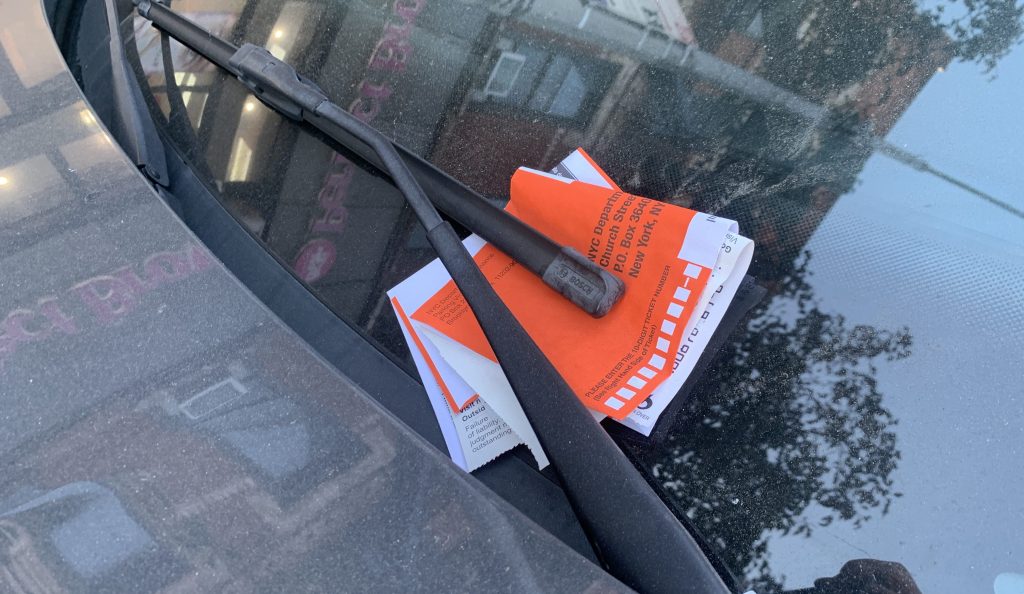
Is It Time to Rethink Traffic Fines and Fees?
A new research center could help advocates and policymakers find out.

November 24, 2026