Thursday’s Headlines
Millennials hating to drive is a myth, according to one study. While it’s true that millennials drive less and own fewer cars than previous generations, when adjusted for factors like income, education and number of children, they actually drive more than baby boomers did at the same point in their lives. Their love of cars … Continued
By
Blake Aued
6:53 AM EDT on March 28, 2019
- Millennials hating to drive is a myth, according to one study. While it’s true that millennials drive less and own fewer cars than previous generations, when adjusted for factors like income, education and number of children, they actually drive more than baby boomers did at the same point in their lives. Their love of cars was merely postponed by a bad economy and high gas prices. (City Lab)
- Slate has more on Uber and Lyft drivers’ recent strike over low pay. Meanwhile, Lyft is offering drivers bank accounts and debit cards to help them manage their finances, plus discounts on car repairs (CNN). OK, but why not just pay them more?
- With New York likely to implement congestion pricing (as Streetsblog has reported), Curbed wonders if Boston will follow suit. City Observatory also suggests congestion pricing in downtown Portland as an alternative to widening I-5.
- Making a St. Petersburg circulator and a Tampa streetcar free cost the cities revenue but brought other benefits — like increased ridership, heavier use by commuters instead of just tourists, taking cars off the road and an economic boost for businesses. (Tampa Bay Times)
- Transit ridership in Philadelphia was down for the fourth year in a row last year, dropping to its lowest level since 2002. Ironically, part of the blames lies with congestion caused by drivers, which is slowing down buses. A bus network redesign is planned, but it won’t happen for another several years. (Inquirer)
- The University of Texas has found a unique way to combat the menace of e-scooters: using geofencing technology to limit them to 8 mph on the Austin campus. (Texas Monthly)
- Kansas City’s Main Street streetcar extension received a positive rating from the Federal Transit Administration, clearing the way for federal funding. (KSHB)
- The Federal Highway Administration green-lit widening I-30 through downtown Little Rock. (Arkansas Democrat-Gazette)
- The Seattle DOT bowed to bikelash and removed bike lanes from plans for 35th Street. (MyNorthwest)
- Just in time for summer, a new study found that a 40-percent tree canopy keeps pavement cool and counteracts the heat island effect. (Popular Science)
- Streetsblog’s Angie Schmitt gets some deserved love from Governing magazine.

Blake Aued has been doing Streetsblog's daily national news digest for years. He's also an Atlanta Braves fan, which enrages his editor in New York.
Read More:
Streetsblog has migrated to a new comment system. New commenters can register directly in the comments section of any article. Returning commenters: your previous comments and display name have been preserved, but you'll need to reclaim your account by clicking "Forgot your password?" on the sign-in form, entering your email, and following the verification link to set a new password — this is required because passwords could not be carried over during the migration. For questions, contact tips@streetsblog.org.
More from Streetsblog USA
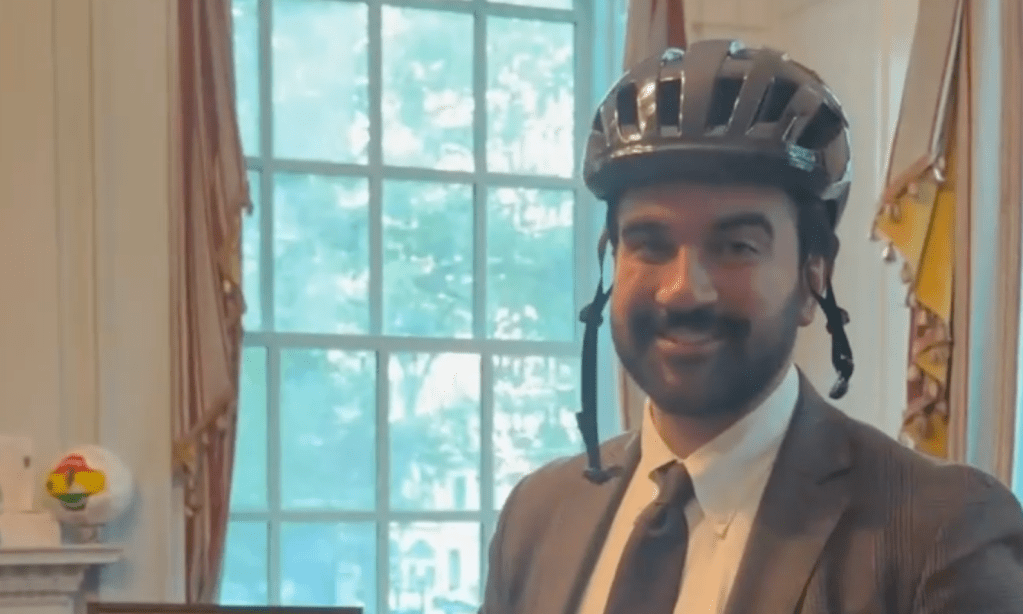
NYC Mayor Zohran Mamdani Apologizes For Not Wearing A Helmet And Activists Lose Their Minds
Reminder: Bike helmet campaigns turn a collective problem into an individual one.

August 26, 2026
Wednesday’s Headlines Ride in Style
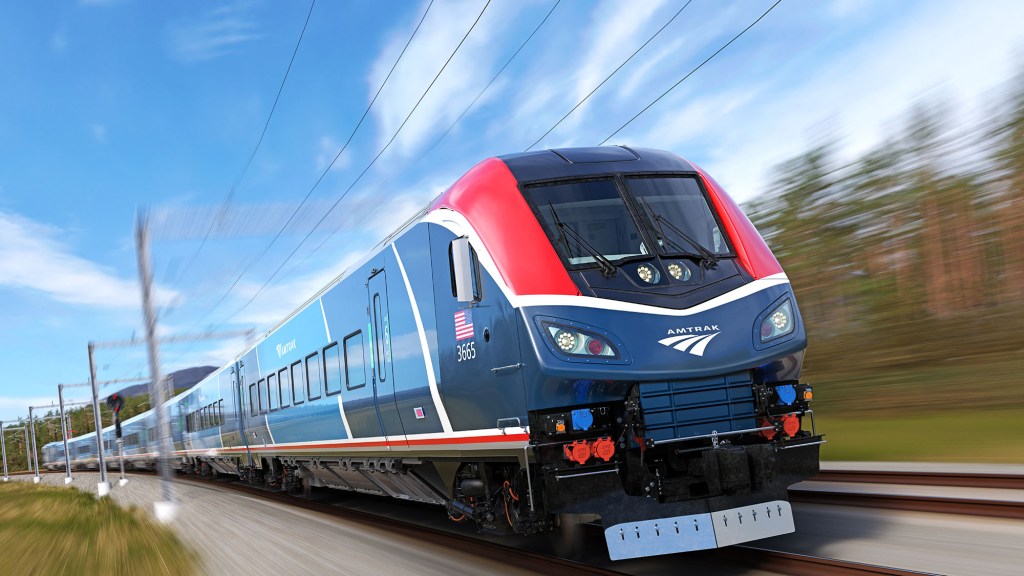
Amtrak's new trains sound like a win-win for passengers and the environment.
August 26, 2026
Tuesday’s Headlines Are a High Facts Zone
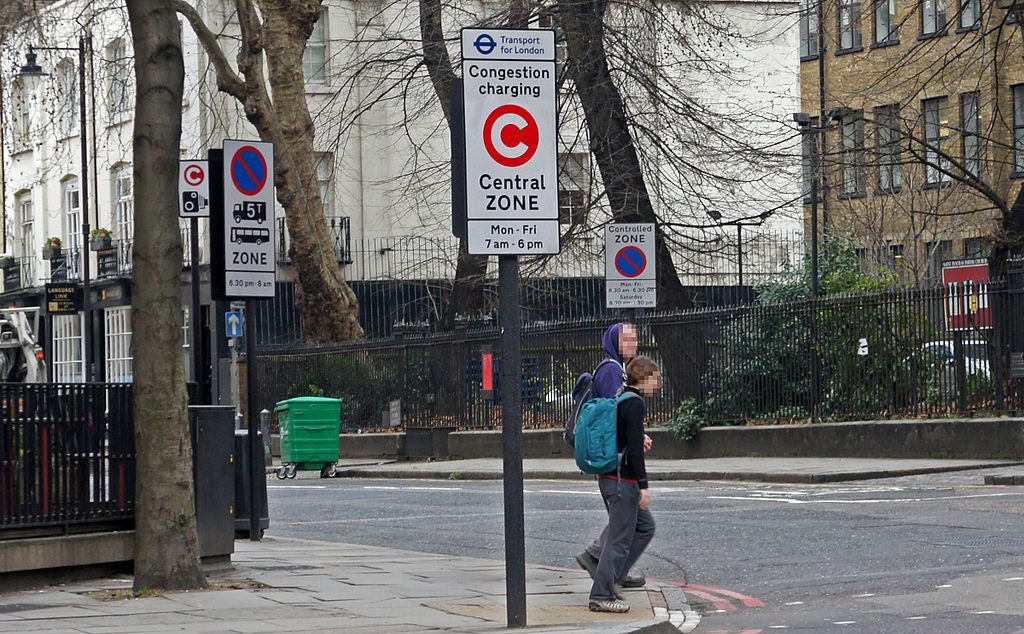
Low-emissions zones work, but public backlash makes some politicians reluctant to embrace them.
August 25, 2026
Philadelphia Figured Out to Stop Double Parking — Will Other Cities Follow Suit?
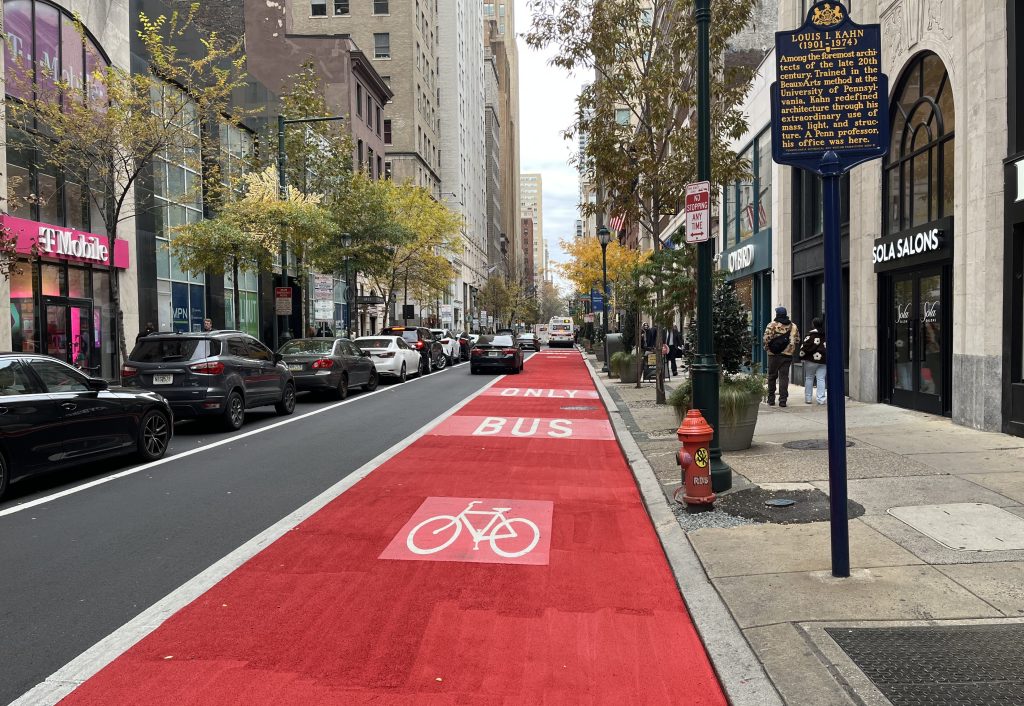
Philadelphia's automated enforcement pilot has reduced double parking and cleared loading zones for commercial vehicles in the year since it launched.

August 24, 2026
Monday’s Headlines Were Born in a Small Town
When it comes to federal transit funding, small cities get more bang for the buck than big ones.
August 24, 2026