With Bipartisan Support, TIGER Continues to Fund Walking and Biking Projects
When the Obama administration launched the TIGER grant program in the 2009 stimulus package, it was seen as a potential model for overhauling federal transportation funding.
Instead of funneling money mainly through state DOTs, which love their highway projects, TIGER opened up its pot of funding to cities and transit agencies too. Compared to other federal funding programs, TIGER grants tend to support the types of walking, biking, and transit projects cities are starved for.
TIGER is a relatively small program, never exceeding a billion dollars in grants after the first year. Because it matches funding from local agencies and mainly selected city-scale improvements, it has still been able to fund hundreds of projects. Not all of them were winners, but many, like the removal of Rochester’s Inner Loop freeway and the Indianapolis Cultural Trail, were transformative for the cities that received the support.
As a discretionary grant program, TIGER was inherently fragile. And after the election of Donald Trump, the program’s future looked to be in doubt. The White House has repeatedly called for killing the program in its budget proposals.
But as long as Congress keeps authorizing money for the program, U.S. DOT will continue to administer it. And TIGER’s sheer popularity gave it some legs under Trump. Before Elaine Chao was confirmed as transportation secretary, senators asked her to preserve TIGER.
The Trump DOT hasn’t been in a hurry to continue TIGER, failing to award any grants in 2017, even though funds were appropriated. This week, the agency is finally getting around to announcing the recipients of last year’s round of TIGER grants.
While we don’t have a full list from U.S. DOT yet, some winners have announced they’re receiving funds, and so far, they look like solid choices to improve conditions for walking and biking.
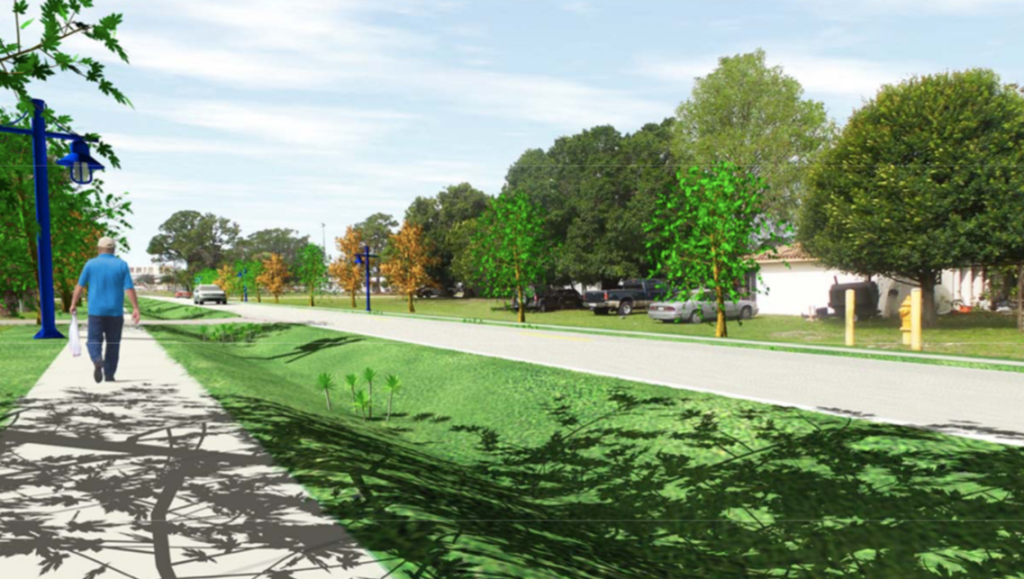
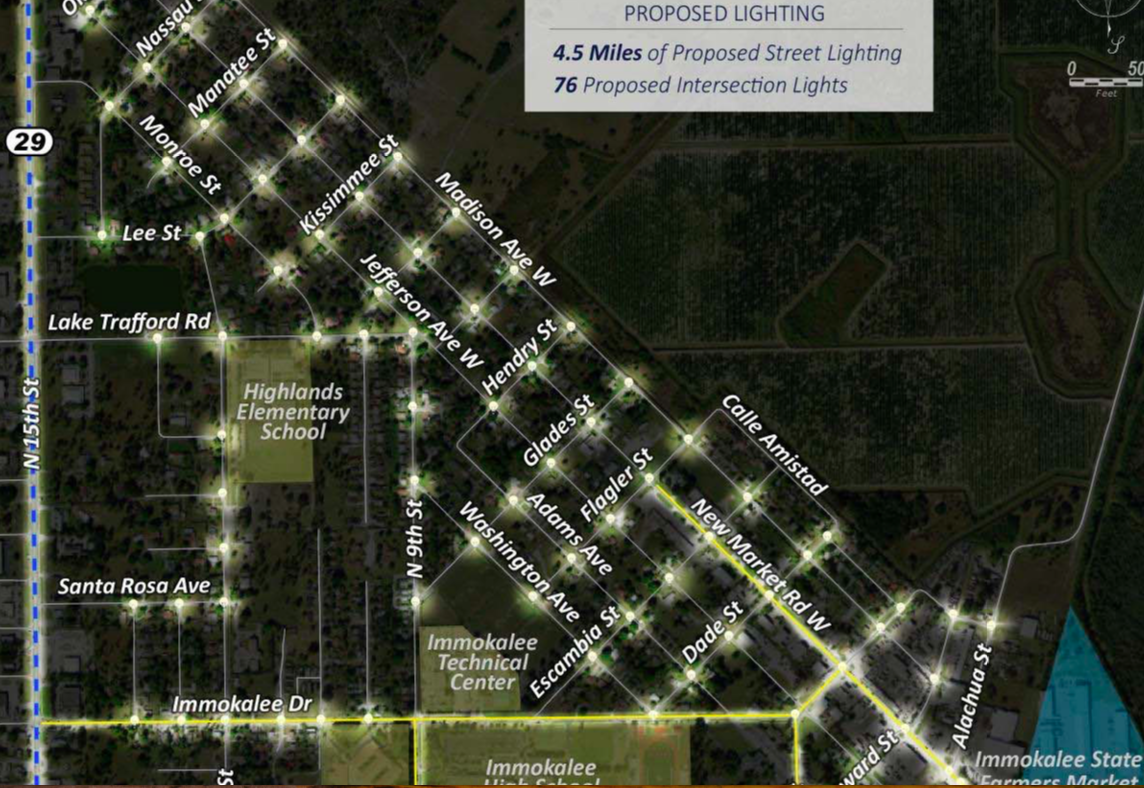
Collier County, Florida, will get $13 million to build sidewalks, redesign intersections, install bus shelters and add street lights in the low-income farming town of Immokalee. According to BikeWalkLee, a local advocacy group, many streets lack sidewalks, and even where they do have sidewalks, poor drainage often forces pedestrians onto the streets.
Major cities are among the winners too. Akron, Ohio, is getting $8 million to expand its “green corridor” on Main Street through the city center. The project involves adding bike lanes, improving access for people with disabilities, and implementing green infrastructure for stormwater management.
In Philadelphia, a $12 million grant will help complete a gap in the Schuylkill River Trail, a 130-mile multi-use path that passes through the city.
It’s reassuring to see projects like this, which likely would not receive federal support without TIGER, continue to be selected under Elaine Chao at U.S. DOT. The program will almost certainly continue to face political threats, but these projects were supported by lawmakers from both parties.
Senator Rob Portman and Representatives David Joyce and Jim Renacci — all Republicans — supported Akron’s application, along with a number of Democrats, including Senator Sherrod Brown. And both of Pennsylvania’s senators — Democrat Bob Casey and Republican Pat Toomey supported Philadelphia’s application.

Read More:
Streetsblog has migrated to a new comment system. New commenters can register directly in the comments section of any article. Returning commenters: your previous comments and display name have been preserved, but you'll need to reclaim your account by clicking "Forgot your password?" on the sign-in form, entering your email, and following the verification link to set a new password — this is required because passwords could not be carried over during the migration. For questions, contact tips@streetsblog.org.