The ACLU’s Dangerous Windshield Bias
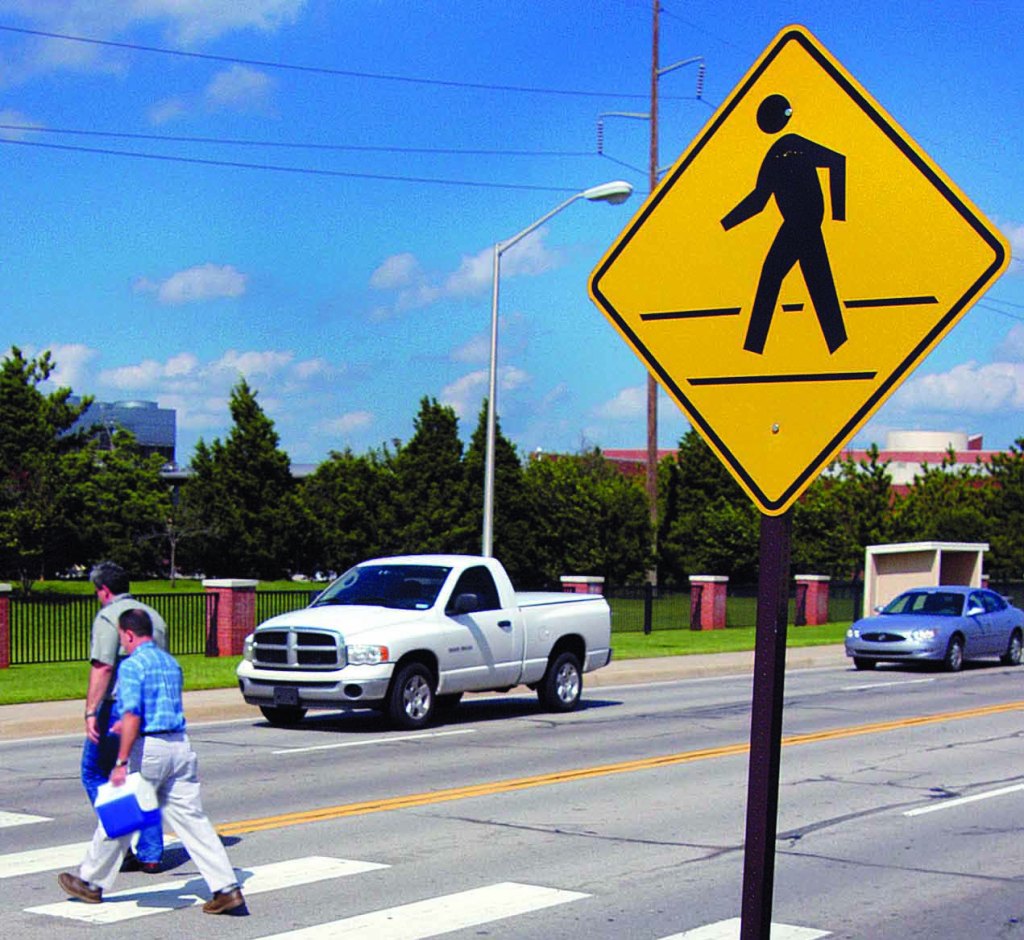
Every year in the U.S., about 40,000 people lose their lives in traffic crashes. According to the National Highway Traffic Safety Administration, speeding is a factor in 10,000 of these deaths.
In addition to safer street design, one of the proven methods to reduce deadly speeding is camera enforcement. A robust set of studies conclusively shows that speed camera programs save lives. But American cities and towns constantly have to defend their automated enforcement programs from angry motorists who don’t want to be fined for speeding or running red lights.
The latest case is in Iowa, where the state chapter of the ACLU has joined the campaign against traffic enforcement cameras in the statehouse. A bill supported by the Iowa ACLU would ban the use of all traffic cameras statewide, according to the Sioux City Journal.
On its website, the Iowa ACLU questions the safety rationale for camera enforcement, citing the increase in fender-benders after the installation of some red light cameras. It’s a lazy argument that ignores the reduction in far more severe T-bone crashes and the proven, life-saving impact of red light cameras.
The Iowa chapter also says it prefers human police officers to cameras. But entrusting traffic enforcement to police officers raises much more serious civil liberties issues. Racial bias in police enforcement is a systemic problem all over the country, and cops have killed people during traffic stops for minor transgressions.
There are certainly reasons to watchdog camera enforcement programs and ensure that they are set up in a way that fairly incentivizes safe driving. But the ACLU isn’t making recommendations about how to preserve the integrity of traffic cameras in Iowa — the organization is lending its name to an outright ban.
The same attitude is apparent on the national ACLU site, where policy analyst Jay Stanley waves away the life-threatening risk that speeding drivers pose:
For better or worse, speed limits are one area where our laws are out of synch with behavioral norms. Although almost everyone supports enforcement against genuinely dangerous behavior on the roads, many people routinely violate speed limits who would almost never break other laws. As I have discussed before, social norms are often at least as important as actual written law in governing behavior. When the two don’t line up, the results can be interesting.
The lengthy, rambling passage devotes zero consideration to the 10,000 Americans who die — lose their lives — every year as a result of the behavior we have “normalized.”
Other ACLU chapters have played thoughtful roles in crafting automated enforcement systems. In New York, for instance, the NYCLU signed off on bus lane cameras after getting guarantees that they would only capture bus lane violations and that images would not be stored indefinitely.
There’s a role for the ACLU to play in hammering out how camera enforcement should operate. But it’s inexcusable to ignore the toll in human lives caused by dangerous driving, and how fair automated enforcement can prevent it.

Read More:
Streetsblog has migrated to a new comment system. New commenters can register directly in the comments section of any article. Returning commenters: your previous comments and display name have been preserved, but you'll need to reclaim your account by clicking "Forgot your password?" on the sign-in form, entering your email, and following the verification link to set a new password — this is required because passwords could not be carried over during the migration. For questions, contact tips@streetsblog.org.