The 2017 Streetsies: Heroes of the Year
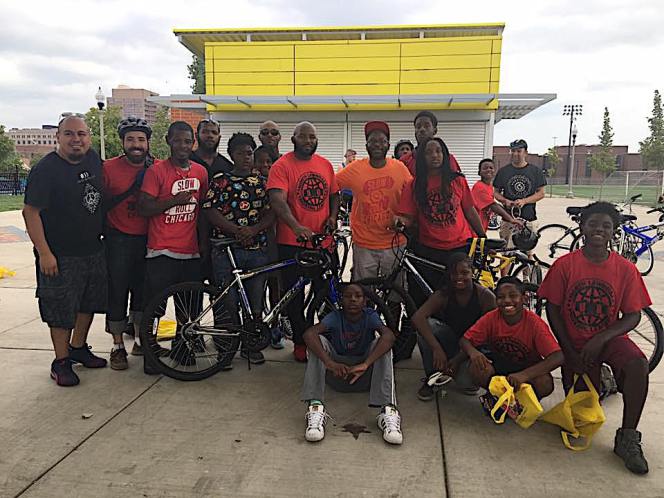
As gloomy as 2017 got, rest assured, there are still plenty of great people doing important work at the local level to improve their communities.
In this post we’re highlighting a few of the heroes who were instrumental to creating a safer, greener, fairer transportation system in 2017. Many thanks and much gratitude to everyone profiled here.
Andrés Sañudo, Mexico City
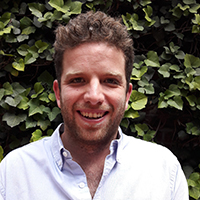
A planner and former employee of the Institute for Transportation and Development Policy, Sañudo was instrumental in pushing Mexico City to replace parking minimums and go with parking maximums city-wide. Not only does the reform promise cleaner air, less traffic, and more affordable housing in North America’s largest city, Sañudo also hopes it will set a progressive standard for cities across Latin America.
Oboi Reed, Chicago
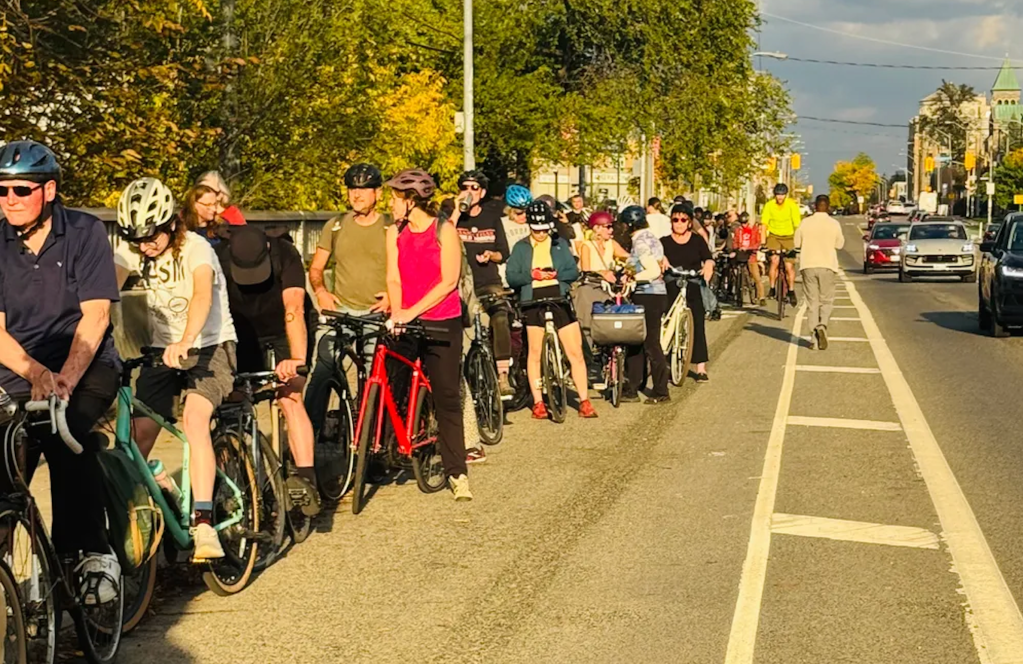
Oboi Reed, founder of Slow Roll Chicago, had a big year, pressing leaders in Chicago to make racial equity a central component of the city’s Vision Zero effort.
Reed called for a thorough reevaluation of traffic safety policy priorities and the role of police enforcement, citing concerns about racial bias at Chicago PD. His activism led to the postponement of a local Vision Zero summit so that the process and the policy platform can be more inclusive.
This year Reed also founded Equiticity, an organization that aims to expand access to biking in underserved communities of color, starting on the south and west sides of Chicago. Reed is a strong and principled voice for fairer representation in safe streets advocacy.
Dana Dunbar, Toledo
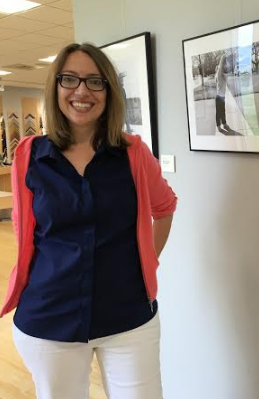
Meet “Toledo’s Jane Jacobs.” Dunbar was new to transportation advocacy when she heard local officials were planning to widen a road by her house, a project that would require the demolition of more than a dozen homes. Inspired by a video she came across by Walkable City author Jeff Speck, Dunbar decided to do something about it.
She launched a grassroots campaign that eventually defeated the project, calling for a road diet instead. She was just getting started.
Using her newfound platform, she ran for Village Council in the inner-Toledo suburb of Ottawa Hills — and won. Watch her political career and see how she makes West Toledo more walkable.
Angela Hunt, Dallas
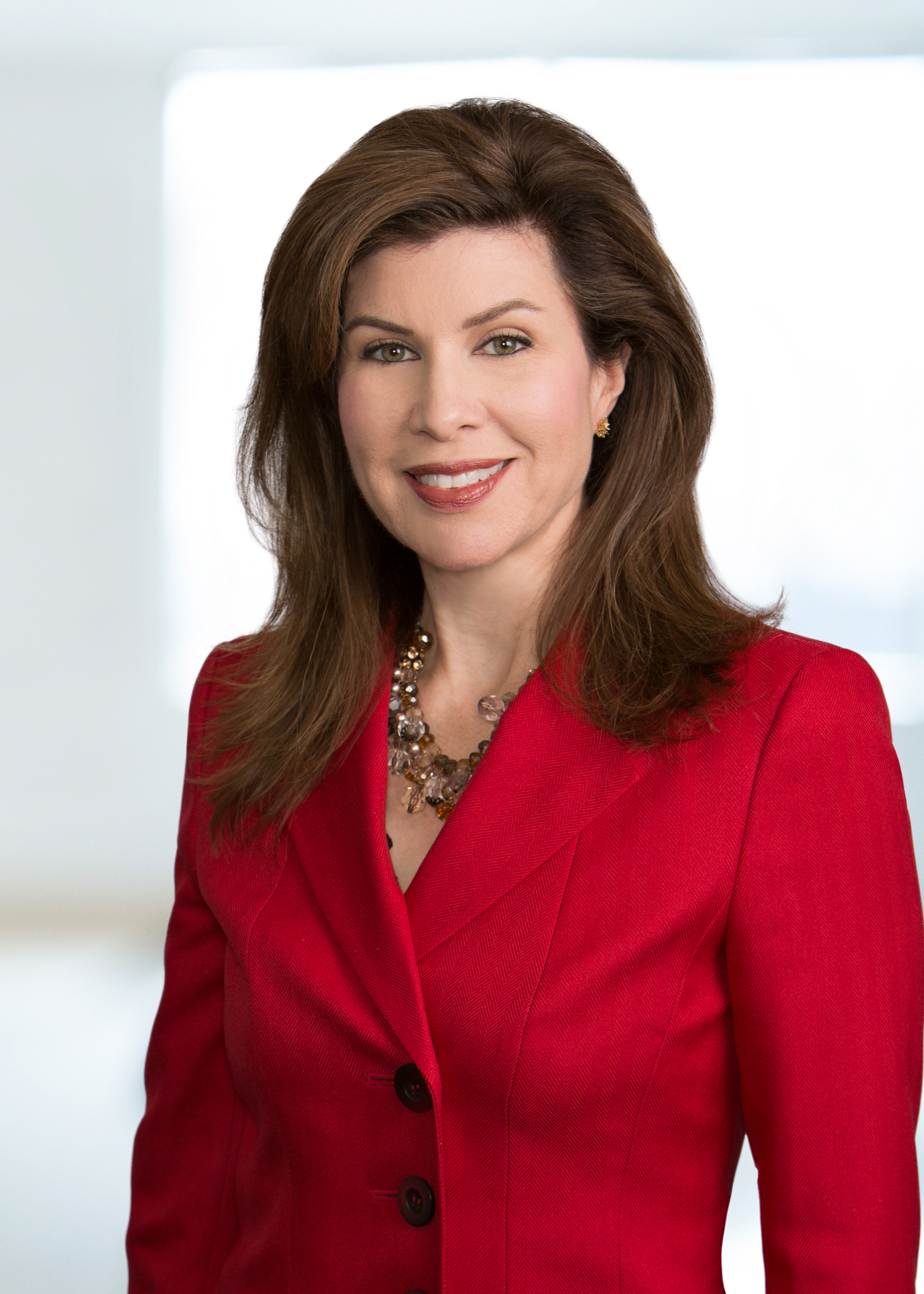
An attorney and former council member, Angela Hunt recognized early on that if Dallas plowed a toll road through a 10,000-acre forest just outside the city center, it would be a huge mistake. It all started with a bike ride with her husband down into the wild floodplain early in her political career.
Hunt spent 11 years educating the public about drawbacks of the the $1.7 billion Trinity Toll Road project. In 2017, she prevailed, when the Dallas City Council — with several members newly elected on an anti-toll-road platform — voted 13-2 to kill the project.
Sara Bronin and Norm Garrick, Hartford
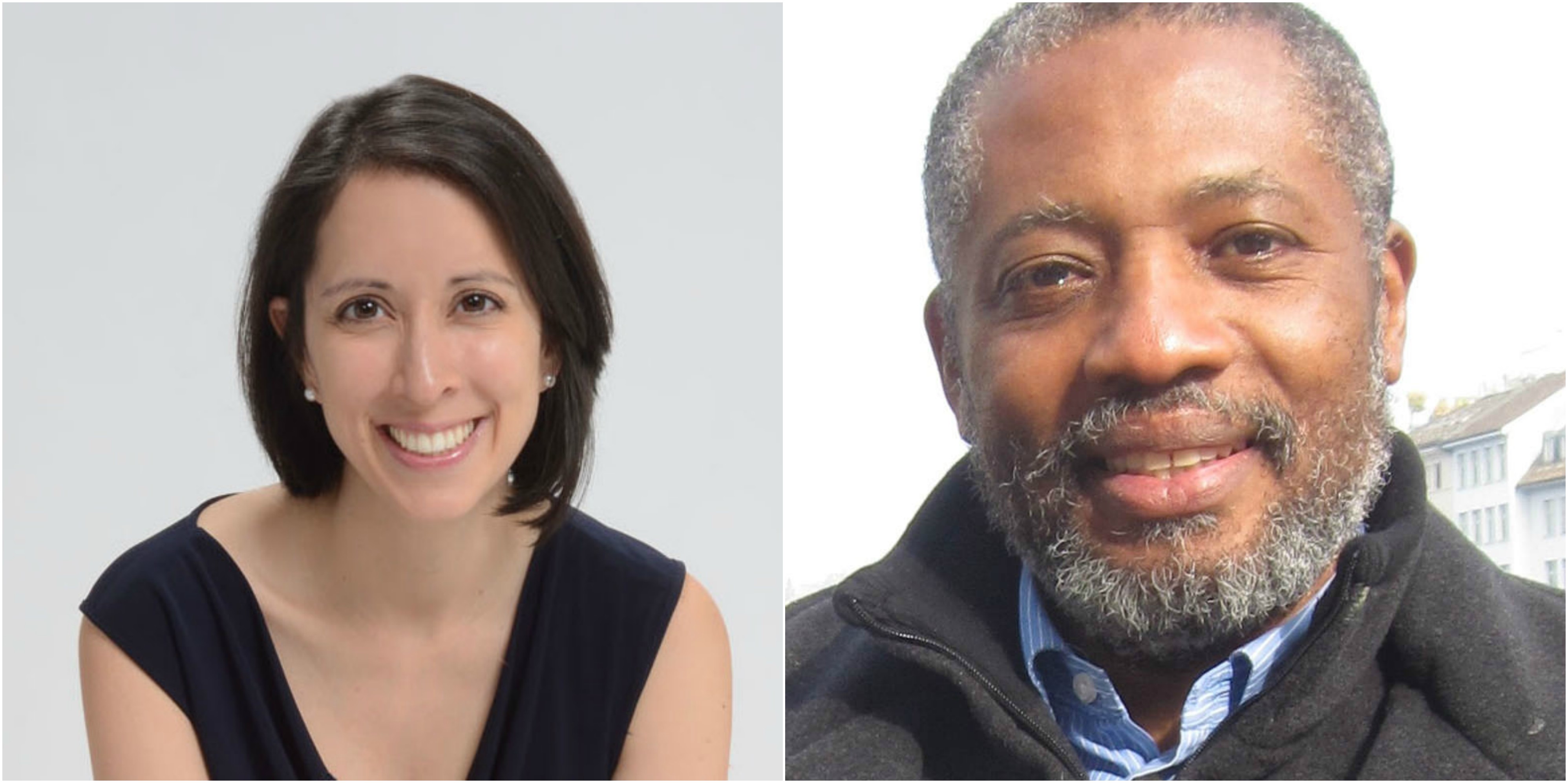
These two UConn professors are responsible for Hartford’s progressive new parking policy, which eliminated minimum parking requirements and established maximums citywide.
Garrick, who teaches civil engineering, has led several studies with his graduate students showing how arbitrary minimum parking rules have sapped the wealth and vitality from Connecticut towns.
In 2017, Bronin decided to put the ideas into practice. As head of the city’s Planning and Zoning Commission, she shepherded the change into the city’s zoning law.
Angie Henderson, Nashville
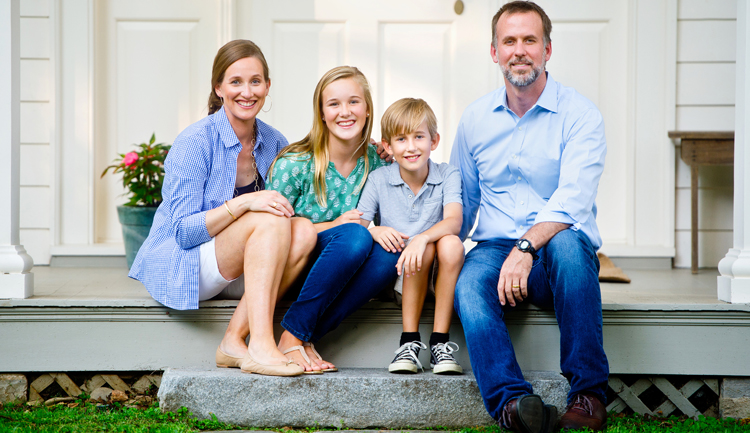
Nashville-Davidson County Metro Council Member Angie Henderson was the force behind Nashville’s new sidewalk policy, which took effect this summer. The rule promises to make the famously unwalkable Sun Belt city safer, healthier, and more equitable.
It will require developers to install sidewalks or pay a fee (that will be used to construct sidewalks) in locations near transit or retail. Henderson, a mother and longtime safe streets advocate, spearheaded the politically tricky legislation and got buy-in from the city’s powerful real estate industry. It passed unanimously.
Finally two honorable mentions: Bill Schultheiss, a traffic engineer pushing his profession to live up to its ethical mandates, and Dennis Grzezinski, the Wisconsin environmental attorney whose lawsuit helped kill the state’s plans to widen I-94 through low-income neighborhoods in Milwaukee.

Read More:
Streetsblog has migrated to a new comment system. New commenters can register directly in the comments section of any article. Returning commenters: your previous comments and display name have been preserved, but you'll need to reclaim your account by clicking "Forgot your password?" on the sign-in form, entering your email, and following the verification link to set a new password — this is required because passwords could not be carried over during the migration. For questions, contact tips@streetsblog.org.