Today’s Headlines
U.S. DOT Proposes Easing Rules for Transit Projects That Get Private Financing (Route Fifty) Trump and Congressional Budget Cuts Threaten LA Subway Expansion Before 2028 Olympics (KPCC) Parking Became Cheaper Than Transit, So Austin Community College Students Stopped Taking the Bus (Monitor) Philly Breaks Ground on Its First One-Way Protected Bike Lane in University City … Continued

8:55 AM EDT on August 2, 2017
- U.S. DOT Proposes Easing Rules for Transit Projects That Get Private Financing (Route Fifty)
- Trump and Congressional Budget Cuts Threaten LA Subway Expansion Before 2028 Olympics (KPCC)
- Parking Became Cheaper Than Transit, So Austin Community College Students Stopped Taking the Bus (Monitor)
- Philly Breaks Ground on Its First One-Way Protected Bike Lane in University City (Curbed, Philly Voice)
- Meanwhile, Elsewhere in Philly: Anti-Bike Lane Cranks Out in Full Force (Philly.com, Philadelphia Mag)
- Columnist Flies to Denver, Takes Rail, Is Convinced Norfolk Needs Airport Light Rail (Virginian-Pilot)
- Lyft: Official Car Service of Amtrak (TechCrunch, Verge, Engadget)
- Former Bush Official Now Serving Up Some Hyperloop Kool-Aid (Baltimore Sun)
- Honolulu Mayor Signs “Distracted Walking” Ban, Earning Mockery From The Onion

In spring 2017, Stephen wrote for Streetsblog USA, covering the livable streets movement and transportation policy developments around the nation.
From August 2012 to October 2015, he was a reporter for Streetsblog NYC, covering livable streets and transportation issues in the city and the region. After joining Streetsblog, he covered the tail end of the Bloomberg administration and the launch of Citi Bike. Since then, he covered mayoral elections, the de Blasio administration's ongoing Vision Zero campaign, and New York City's ever-evolving street safety and livable streets movements.
Read More:
Streetsblog has migrated to a new comment system. New commenters can register directly in the comments section of any article. Returning commenters: your previous comments and display name have been preserved, but you'll need to reclaim your account by clicking "Forgot your password?" on the sign-in form, entering your email, and following the verification link to set a new password — this is required because passwords could not be carried over during the migration. For questions, contact tips@streetsblog.org.
More from Streetsblog USA
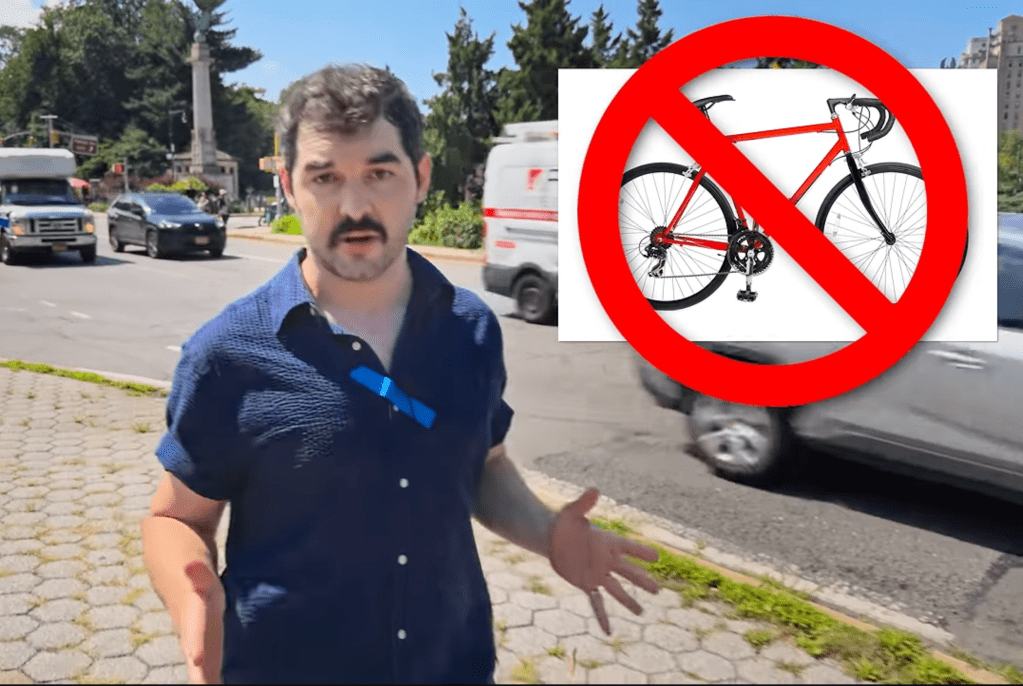
Friday Video: Why America Hates Bikes (And How to Make It Love Them)
Two of our favorite YouTubers teamed up for a great explainer on the history of anti-bike bias in the United States.
September 18, 2026
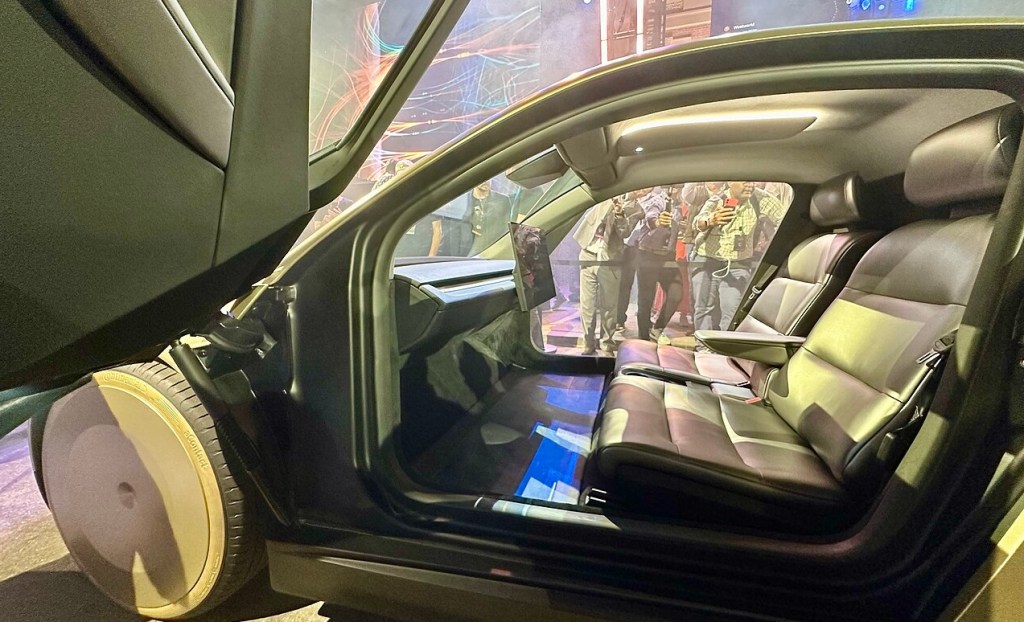
Friday’s Headlines Put the Pedal to the Metal
Oh, wait, there are no pedals? Let me try to pull up the brakes on this touchscreen.

September 18, 2026
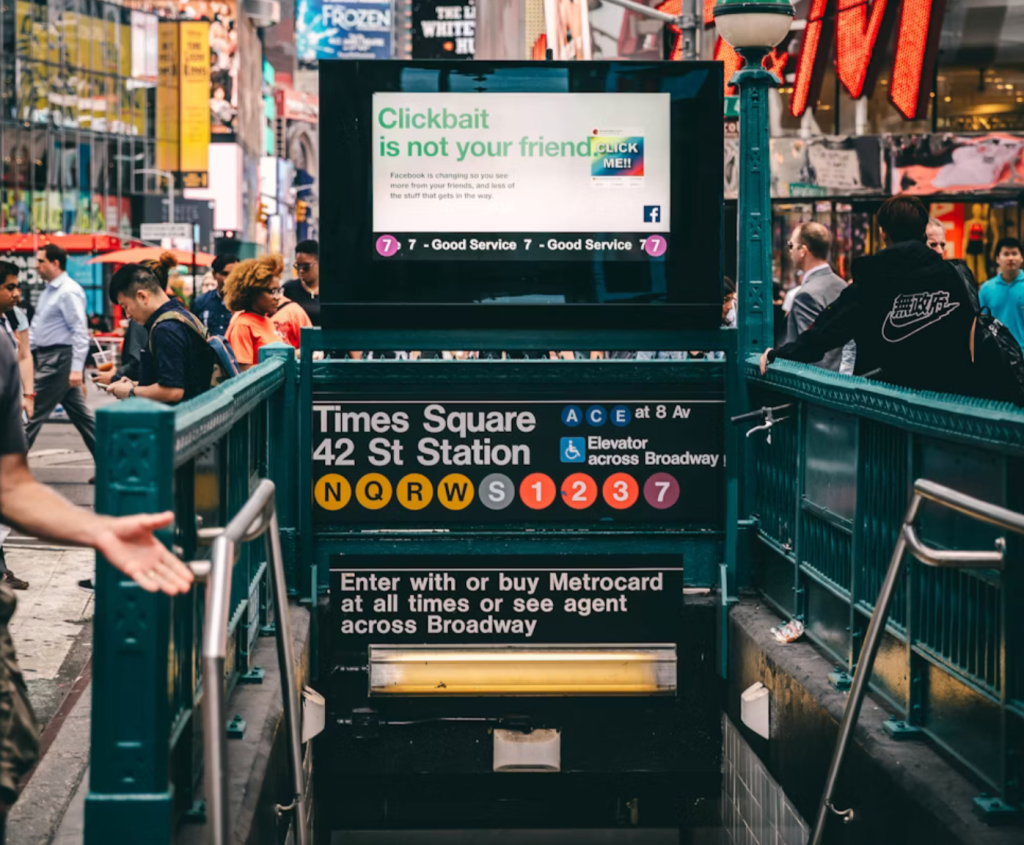
Are Brain-Rot Transit Ads Ruining Our Commutes?
Advertisements give transit systems across the country badly-needed revenue. But how much is too much?

September 18, 2026
Thursday’s Headlines Are a Gas, Gas, Gas
Key House Republicans killed an irresponsible, politically motivated bill to suspend the federal gas tax.
September 17, 2026

Traffic Noise Kills 6,330 Americans a Year; We Stopped Counting in 1982
Removing just five decibels of noise from our neighborhoods would save lives. So why aren't we even measuring it, never mind taking action to quiet our streets?

September 17, 2026