Today’s Headlines
NRDC Sues Trump Administration for Halting Rule That Would Track Highway Greenhouse Gas Emissions The Nation Takes a Look at How Denver’s I-70 Widening Would Blast Through Low-Income Neighborhoods Instead of Building New Highway, North Carolina to Spend $531 Million Widening I-85 (Shelby Star) Trump’s Turbulent White House Continues to Insist Infrastructure Is “Still a … Continued

8:55 AM EDT on August 1, 2017
- NRDC Sues Trump Administration for Halting Rule That Would Track Highway Greenhouse Gas Emissions
- The Nation Takes a Look at How Denver’s I-70 Widening Would Blast Through Low-Income Neighborhoods
- Instead of Building New Highway, North Carolina to Spend $531 Million Widening I-85 (Shelby Star)
- Trump’s Turbulent White House Continues to Insist Infrastructure Is “Still a Priority” (Hill)
- Judges Often Make Bad Decisions on Transportation Cases — Exhibit A: Maryland’s Purple Line (Governing)
- Kansas City Residents and Pols, Wanting Ample On-Street Parking, Push Higher Parking Minimums (Star)
- Self-Driving Cars Could Revolutionize Parking, Impacting Municipal Bottom Lines (Governing)
- Scariest Thing About Riding the Bus? Crossing Dangerous Streets, Waiting in the Sun (Houston Chronicle)
- Boise Plans One Block of Protected Bike Lane in Front of City Hall (Statesman, KTVB)
- City of New Orleans, Advocacy Group Open Temporary Protected Bike Lane (Curbed)

In spring 2017, Stephen wrote for Streetsblog USA, covering the livable streets movement and transportation policy developments around the nation.
From August 2012 to October 2015, he was a reporter for Streetsblog NYC, covering livable streets and transportation issues in the city and the region. After joining Streetsblog, he covered the tail end of the Bloomberg administration and the launch of Citi Bike. Since then, he covered mayoral elections, the de Blasio administration's ongoing Vision Zero campaign, and New York City's ever-evolving street safety and livable streets movements.
Read More:
Streetsblog has migrated to a new comment system. New commenters can register directly in the comments section of any article. Returning commenters: your previous comments and display name have been preserved, but you'll need to reclaim your account by clicking "Forgot your password?" on the sign-in form, entering your email, and following the verification link to set a new password — this is required because passwords could not be carried over during the migration. For questions, contact tips@streetsblog.org.
More from Streetsblog USA
Friday’s Headlines Do Things Backwards
The best cities have street grids with small blocks, but in recent decades cities have ceded the important responsibility of designing streets to private developers.

October 2, 2026
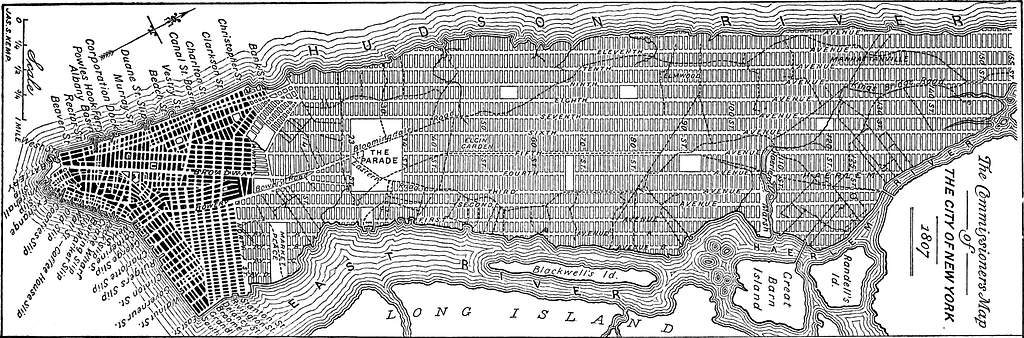
Op-Ed: How Urban Planning Can Succeed in America
Urban planners should study successful experiments throughout the country.

October 2, 2026

Friday Video: Fine, We’ll Talk about the E-Bike Episode on South Park
The fictional Colorado town has ample parking day or night... and the same issues with deadly e-motos getting confused for e-bikes as the rest of the country, apparently.

October 2, 2026

Talking Headways Podcast: Architecture’s Role in Population Decline
Good design is great, but if you can't afford it, you can't have babies. A very special edition of the podcast.

October 1, 2026
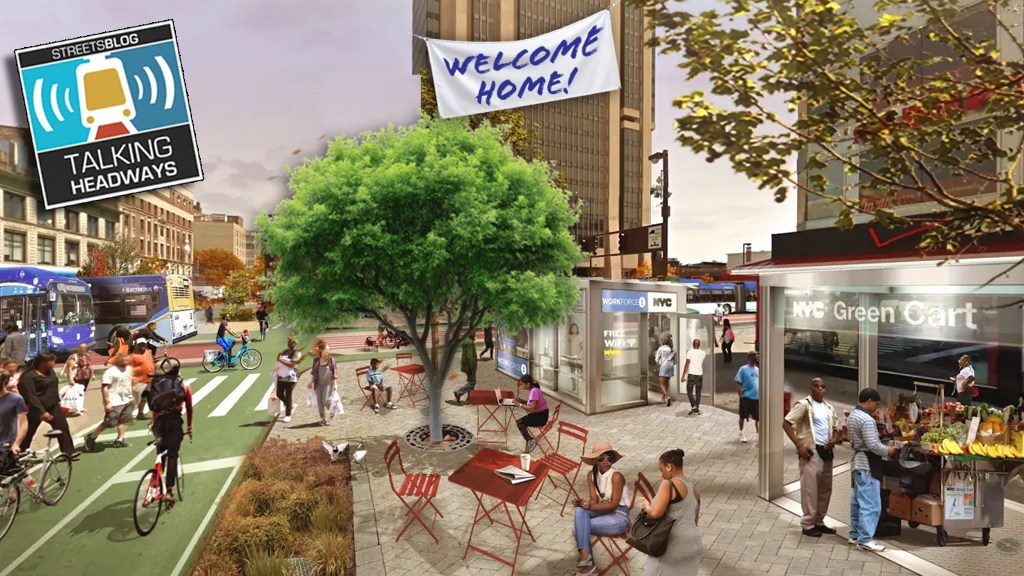
Steal This Idea: ‘Emergency Streets’ Strategy Gets First Real-World Pilot
The city of Spokane moved quickly to close a lane at the site where an 18-year-old motorcyclist died in a single-vehicle collision just a few days prior.

October 1, 2026