Today’s Headlines
Powerful Georgia House Speaker Strongly Backs Creating State Funding for Transit (WABE, AJC, 11 Alive) Connecticut DOT’s Four-Year Plan Shifts Money Away From Transit and Toward Highways (Courant) Study: Federal VMT Tax Would Be More Effective at Reducing Car Use Than Gas Tax Hike (Houston Chronicle) Dallas Morning News Cheers Breath of Fresh Air Offered by … Continued

8:55 AM EDT on June 30, 2017
- Powerful Georgia House Speaker Strongly Backs Creating State Funding for Transit (WABE, AJC, 11 Alive)
- Connecticut DOT’s Four-Year Plan Shifts Money Away From Transit and Toward Highways (Courant)
- Study: Federal VMT Tax Would Be More Effective at Reducing Car Use Than Gas Tax Hike (Houston Chronicle)
- Dallas Morning News Cheers Breath of Fresh Air Offered by City Council’s New DART Board Appointees
- Fed Up With Nashville Traffic, People on the Street Welcome Mayor’s Light Rail Plan (WKRN)
- Low Ridership on Seattle’s Mixed-Traffic Streetcar Lines Has Officials Worried (KING 5)
- Sacramento: Still Sprawling Like There’s No Tomorrow (Bee)
- People Are Thrilled About the First Project Funded by Austin’s Mobility Bond: A New Sidewalk (KXAN, Fox 7)
- Atlanta Suburb Set to Boot Sharrows From Its Transportation Plan; “They Are Falling Out of Favor” (AJC)
- Tweeting Toronto Parking Enforcement Officer Goes After Bike Lane Blockers (Star via Next City)

In spring 2017, Stephen wrote for Streetsblog USA, covering the livable streets movement and transportation policy developments around the nation.
From August 2012 to October 2015, he was a reporter for Streetsblog NYC, covering livable streets and transportation issues in the city and the region. After joining Streetsblog, he covered the tail end of the Bloomberg administration and the launch of Citi Bike. Since then, he covered mayoral elections, the de Blasio administration's ongoing Vision Zero campaign, and New York City's ever-evolving street safety and livable streets movements.
Read More:
Streetsblog has migrated to a new comment system. New commenters can register directly in the comments section of any article. Returning commenters: your previous comments and display name have been preserved, but you'll need to reclaim your account by clicking "Forgot your password?" on the sign-in form, entering your email, and following the verification link to set a new password — this is required because passwords could not be carried over during the migration. For questions, contact tips@streetsblog.org.
More from Streetsblog USA
Every Friday’s Headline Is Sacred
When transit funds are wasted, God gets quite irate.

October 16, 2026

Friday Video: When Walkability Isn’t Enough … Even in the Great Cities of Europe
What happens when livable places get overwhelmingly popular before we can build more of them — or when other failures of design and governance make them bad places to live?

October 16, 2026

Talking Headways Podcast: The Passion Problem in Public Transit
Where should the most enthusiastic supporters of transit try to work?

October 15, 2026
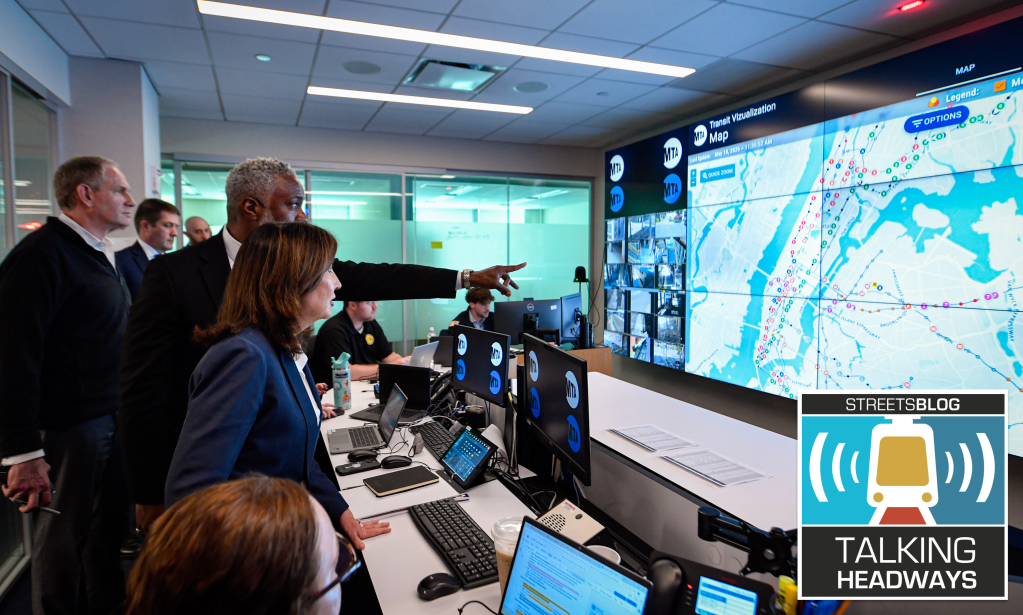
Thursday’s Headlines Are Trouble for Tesla
Autonomous vehicles just can't seem to behave themselves.
October 15, 2026
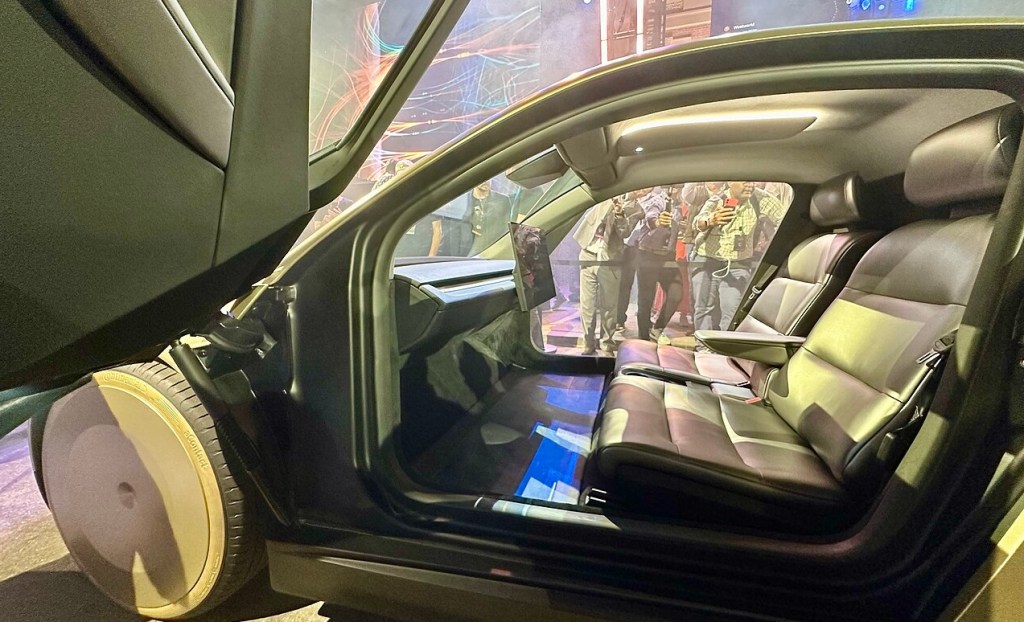
Study: It’s More Expensive Than Ever to Drive America’s Most Popular Car
...and not just for the obvious reasons.

October 15, 2026