Portland’s on the Verge of Fending Off Two Highway Widening Projects
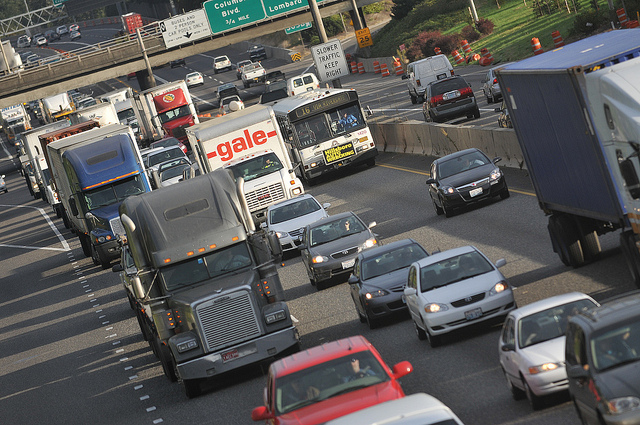
We know that highway expansions increase traffic and fuel sprawl — and that cities can thrive without them. But highway widening projects still have a way of rearing their ugly heads in 2017, even where you least expect them. In Portland, two road expansions with a combined pricetag of $1 billion seemed to be on the fast track for funding this year, with transit agency boss Neil McFarlane and city DOT chief Leah Treat lining up behind them, in addition to the usual road-building suspects.
But it looks like the highway expansions are toast, at least for now.
The projects were part of a big transportation package that state lawmakers have been trying to hammer out. Jeff Mapes and Chris Lehman at Oregon Public Broadcasting report that negotiators have stripped the two highway widenings from the package.
It wasn’t just opposition to highways that sank the projects. The votes to raise the gas tax and vehicle sales fees necessary to fund the widenings weren’t there, Mapes and Lehman report:
“They’ve been removed,” Clackamas County Chairman Jim Bernard said of the I-5 and 1-205 projects, which together would cost about $1 billion. He said that the bill would include funding for a smaller freeway project to add lanes on Highway 217 in Washington County…
Supporters have said the projects would relieve key bottlenecks in the Portland area, and the legislation sought to tie them to tolling that would also help manage congestion. Not everyone favored the projects. Some critics have said the region should look at other transportation alternatives instead of spending so much on freeways…
The legislation reportedly still includes provisions allowing planning to go forward on the two freeway projects. And it calls for the state Department of Transportation to study whether it can soon move forward with the I-205 project by relying more on tolls.
The package also includes $100 million in addition support for transit statewide, which Governor Kate Brown says is a first for Oregon. Kudos to those who fought for a more sustainable, less wasteful future for the region.
More recommended reading today: Bike Portland reports that the city is issuing grants of up to $20,000 to neighborhoods for small-scale streets projects like bike corrals or painted crosswalks. And Systemic Failure says American civil engineers should broaden their horizons and learn best practices that come from outside our borders.

Read More:
Streetsblog has migrated to a new comment system. New commenters can register directly in the comments section of any article. Returning commenters: your previous comments and display name have been preserved, but you'll need to reclaim your account by clicking "Forgot your password?" on the sign-in form, entering your email, and following the verification link to set a new password — this is required because passwords could not be carried over during the migration. For questions, contact tips@streetsblog.org.