Today’s Headlines
Chao: “Sale of Government Assets” Could Help Finance Trump Infrastructure Plan (CNBC) Denver Moves Backward by Requiring More Parking for New Housing (Streetsblog Denver, Post, CBS 4) Poll: 54% of Minnesotans Support Taxpayer Funds for Light Rail Expansion, 34% Opposed (Star Tribune) City and State Square Off on How to Fund $3 Billion Gap for Honolulu’s New Rail Line … Continued

8:55 AM EDT on May 3, 2017
- Chao: “Sale of Government Assets” Could Help Finance Trump Infrastructure Plan (CNBC)
- Denver Moves Backward by Requiring More Parking for New Housing (Streetsblog Denver, Post, CBS 4)
- Poll: 54% of Minnesotans Support Taxpayer Funds for Light Rail Expansion, 34% Opposed (Star Tribune)
- City and State Square Off on How to Fund $3 Billion Gap for Honolulu’s New Rail Line (Hawaii News Now)
- Randal O’Toole Upset That Congress Continues to Fund Light Rail and Streetcar Projects (Hill)
- Downtown Houston Growing, But New Skyscrapers Are Not Designed With the Sidewalk in Mind (Chron)
- Lexington Goes After Pedestrians (WUKY, Herald-Leader)
- Lots of Lessons to Be Learned From the Demise of Bridj (CommonWealth)
- Reno’s Transit System Partners With Firm Developing Autonomous Buses (Wired, Mashable, Forbes)
- AAA Launches “Gig,” One-Way Car-Share With 250 Vehicles in Oakland and Berkeley (KTVU, TechCrunch)

In spring 2017, Stephen wrote for Streetsblog USA, covering the livable streets movement and transportation policy developments around the nation.
From August 2012 to October 2015, he was a reporter for Streetsblog NYC, covering livable streets and transportation issues in the city and the region. After joining Streetsblog, he covered the tail end of the Bloomberg administration and the launch of Citi Bike. Since then, he covered mayoral elections, the de Blasio administration's ongoing Vision Zero campaign, and New York City's ever-evolving street safety and livable streets movements.
Read More:
Streetsblog has migrated to a new comment system. New commenters can register directly in the comments section of any article. Returning commenters: your previous comments and display name have been preserved, but you'll need to reclaim your account by clicking "Forgot your password?" on the sign-in form, entering your email, and following the verification link to set a new password — this is required because passwords could not be carried over during the migration. For questions, contact tips@streetsblog.org.
More from Streetsblog USA
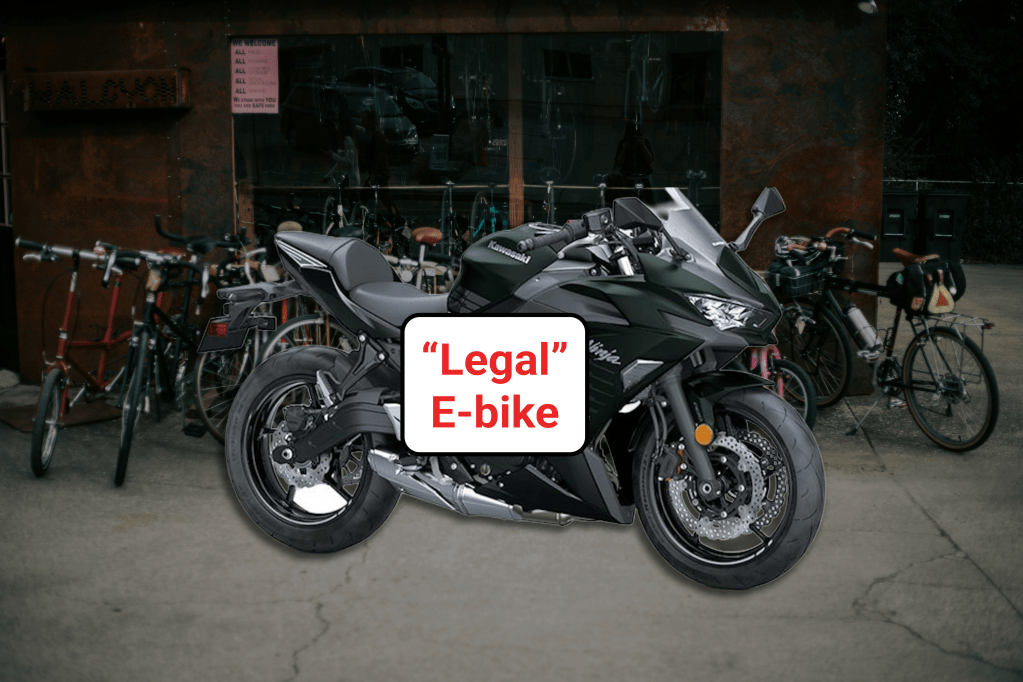
State Lawmakers Aim At Illegal E-Motos, But Hit E-Bikes Instead
A deceptive and widespread marketing tactic has tricked families into purchasing dangerous e-motos and fooled lawmakers into pushing laws that would make streets even less safe.

August 5, 2026
Wednesday’s Headlines Flock Together
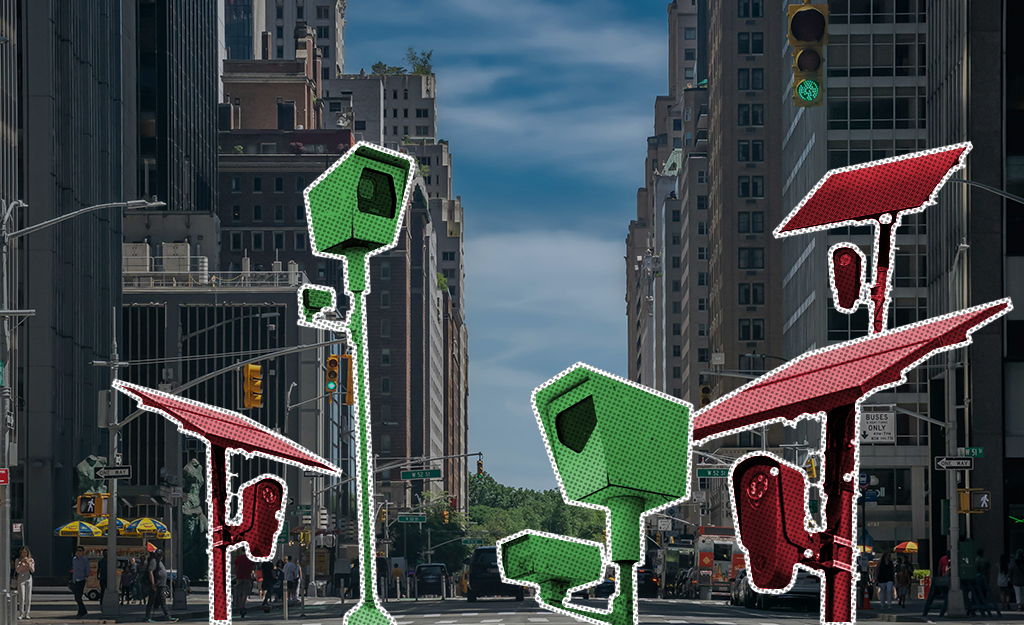
Some traffic enforcement cameras are installed in a way that makes them dangerous to road users.

August 5, 2026
Tuesday’s Headlines Face Their Fears
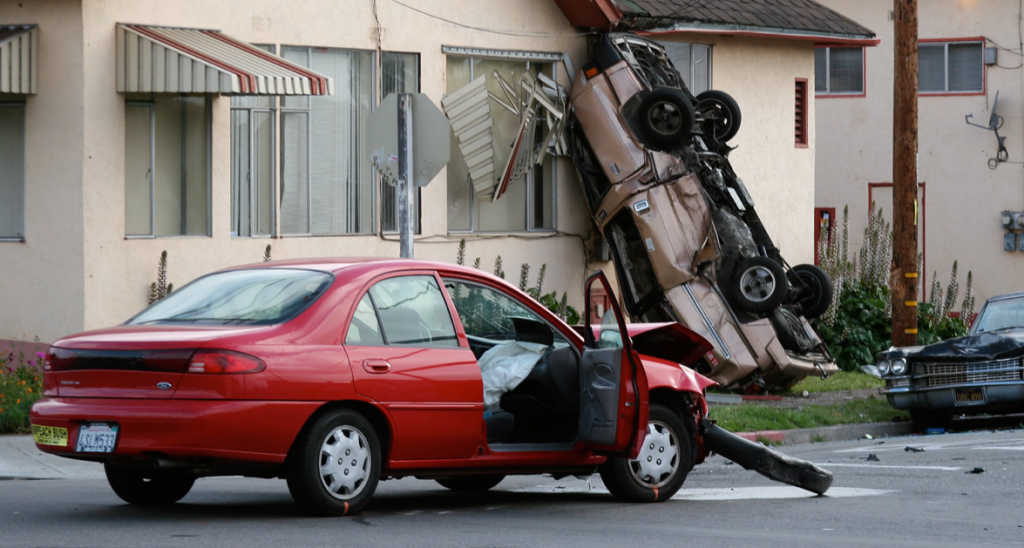
A third of Americans say car crashes are the biggest threat to their safety.
August 4, 2026
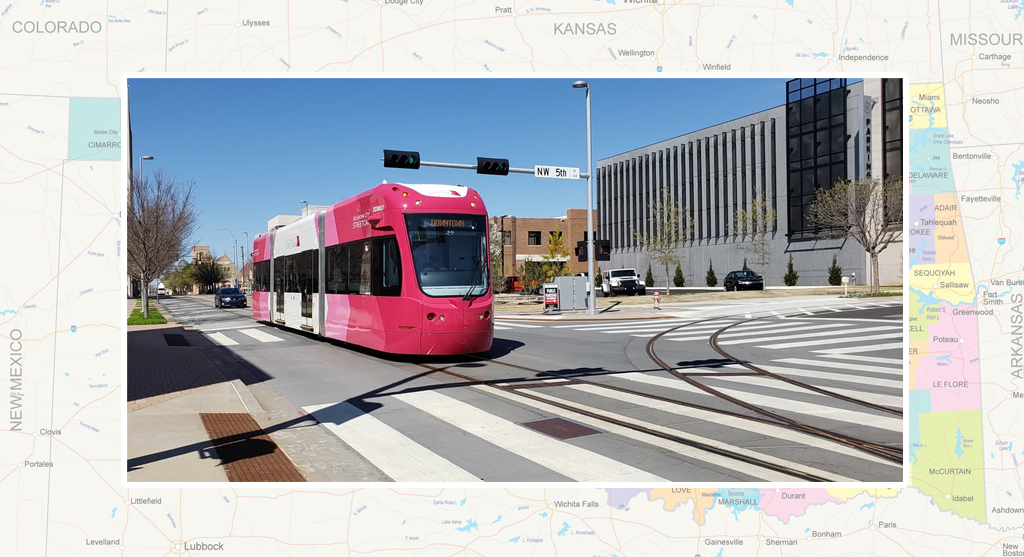
Oklahoma City Is Taking Transit Seriously (Which Is What Booming Regions Should Do)
The Big Friendly considers a small sales tax to boost transit, which is so necessary in a booming region.

August 3, 2026
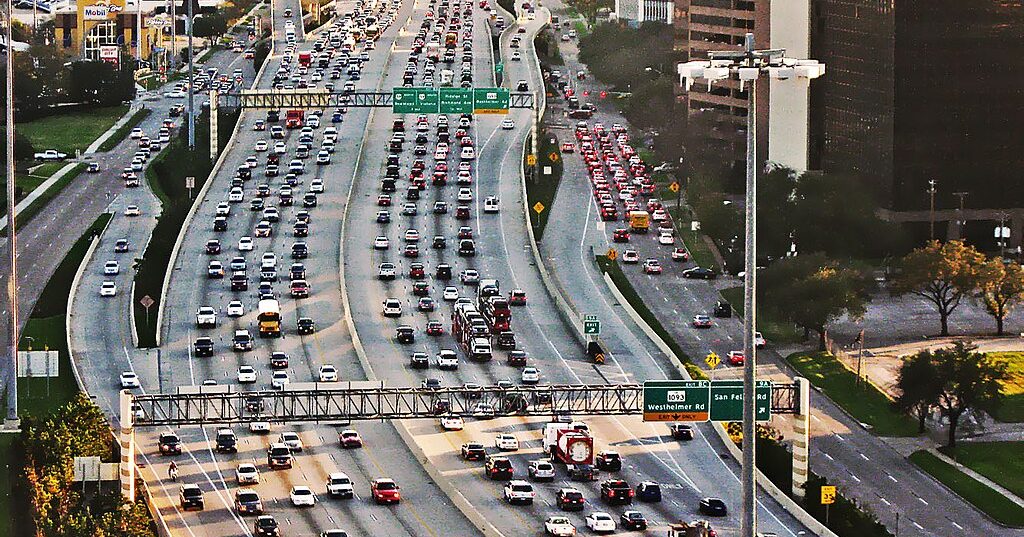
Monday’s Headlines Are High on Highways
Roads already receive a disproportionate amount of federal transportation funding, and it will get worse if Republicans have their way.
August 3, 2026