Today’s Headlines
People’s Climate March Fills the Streets to Protest Trump’s Assault on the Environment (NYT) What Happens Once It’s No Longer Cheap to Finance New Car Purchases? (Frontier Group) Silicon Valley Goes Nuts Over Shiny Video from Elon Musk’s Vaporware Tunnel Project (Verge) Forget Driverless Cars — CNET Looks at the Future of Driverless Buses Las Vegas Sun Blasts County Proposal … Continued

8:55 AM EDT on May 1, 2017
- People’s Climate March Fills the Streets to Protest Trump’s Assault on the Environment (NYT)
- What Happens Once It’s No Longer Cheap to Finance New Car Purchases? (Frontier Group)
- Silicon Valley Goes Nuts Over Shiny Video from Elon Musk’s Vaporware Tunnel Project (Verge)
- Forget Driverless Cars — CNET Looks at the Future of Driverless Buses
- Las Vegas Sun Blasts County Proposal to Build Elevated Expressway From Airport to Strip
- Boston-Area Foundation Offering Up to $100,000 in Grants for Cities and Agencies to Implement BRT (Globe)
- Milwaukee Pedestrian Advocates Stage Demonstration Where Woman Was Killed Crossing Street (Urban Milwaukee)
- Statistics Don’t Bear It Out, But Arizona PBS Gives Megaphone to People Who Think Light Rail Brings Crime
- After Pronto’s Demise, Seattle Could Be Ground Zero for Bike-Share Start-Ups (Seattle Bike Blog)
- Columbia, SC, Prepares to Launch Bike-Share System (The State)
- Fargo-Area Homeowners Declare Victory After Killing Plan to Install Sidewalks (West Fargo Pioneer)

In spring 2017, Stephen wrote for Streetsblog USA, covering the livable streets movement and transportation policy developments around the nation.
From August 2012 to October 2015, he was a reporter for Streetsblog NYC, covering livable streets and transportation issues in the city and the region. After joining Streetsblog, he covered the tail end of the Bloomberg administration and the launch of Citi Bike. Since then, he covered mayoral elections, the de Blasio administration's ongoing Vision Zero campaign, and New York City's ever-evolving street safety and livable streets movements.
Read More:
Streetsblog has migrated to a new comment system. New commenters can register directly in the comments section of any article. Returning commenters: your previous comments and display name have been preserved, but you'll need to reclaim your account by clicking "Forgot your password?" on the sign-in form, entering your email, and following the verification link to set a new password — this is required because passwords could not be carried over during the migration. For questions, contact tips@streetsblog.org.
More from Streetsblog USA
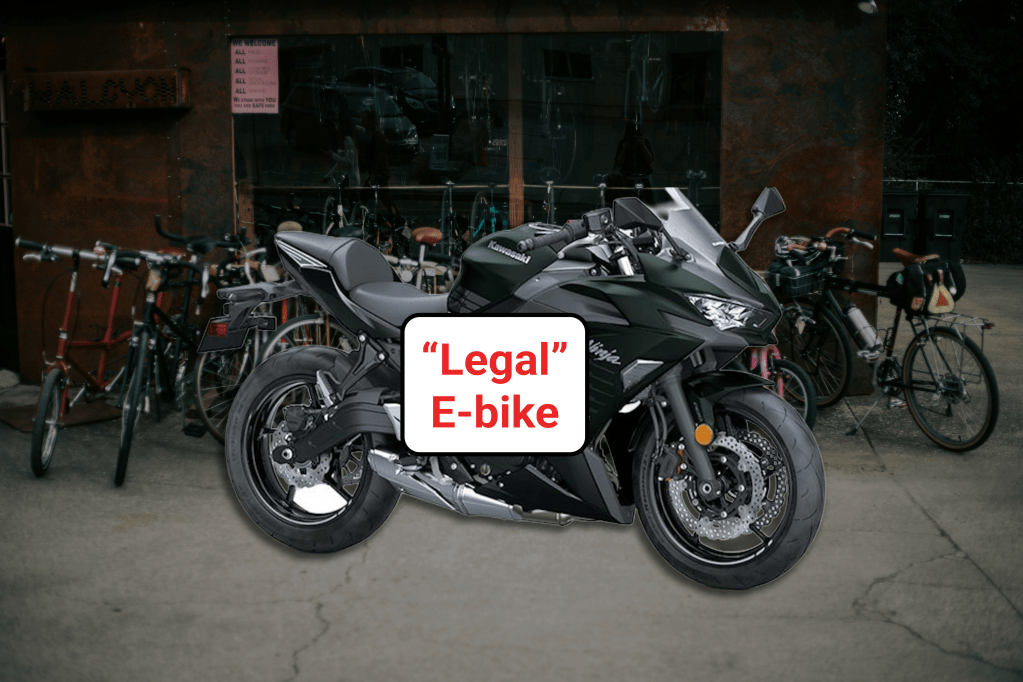
State Lawmakers Aim At Illegal E-Motos, But Hit E-Bikes Instead
A deceptive and widespread marketing tactic has tricked families into purchasing dangerous e-motos and fooled lawmakers into pushing laws that would make streets even less safe.

August 5, 2026
Wednesday’s Headlines Flock Together
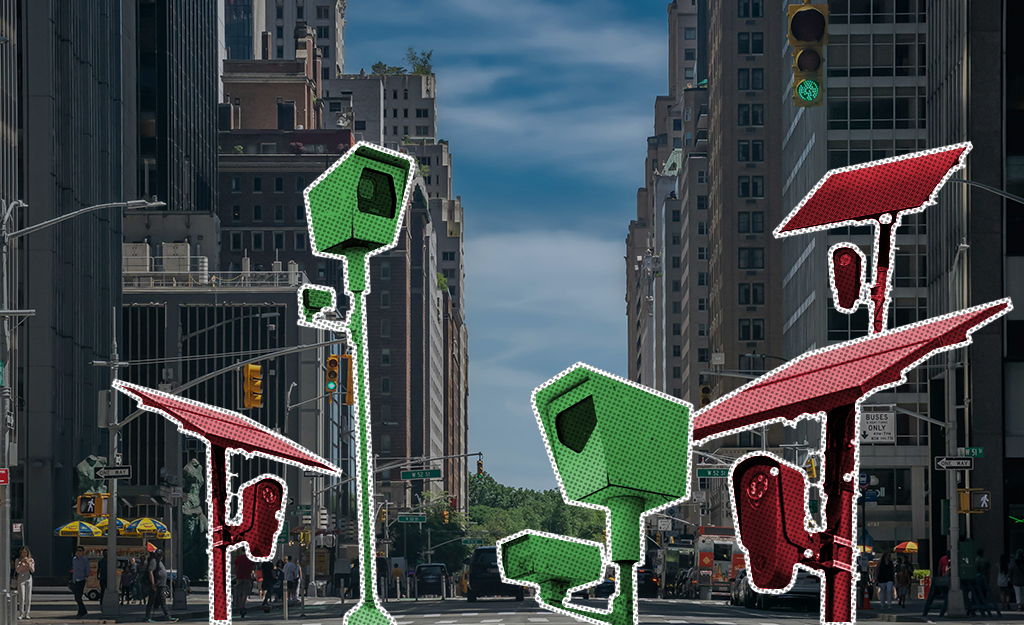
Some traffic enforcement cameras are installed in a way that makes them dangerous to road users.

August 5, 2026
Tuesday’s Headlines Face Their Fears
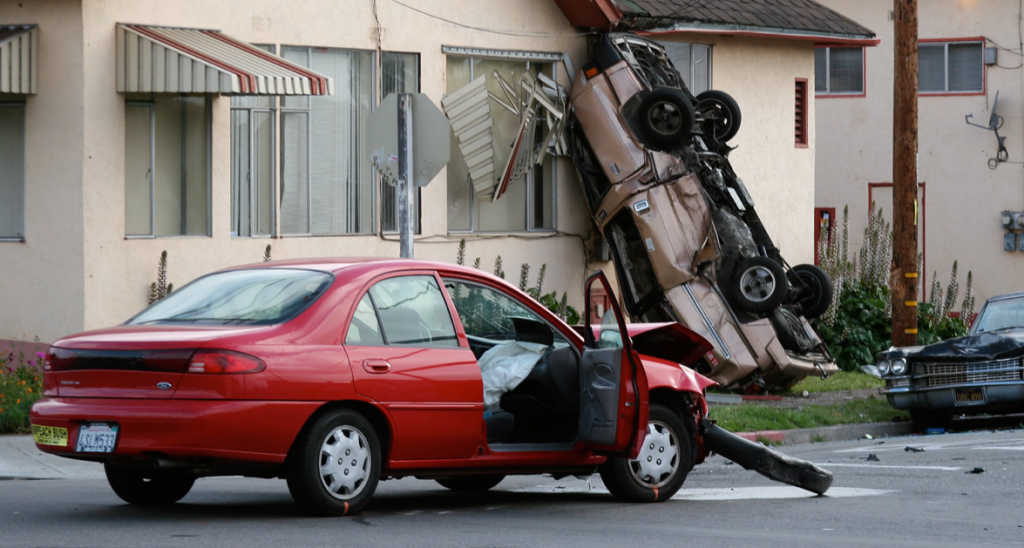
A third of Americans say car crashes are the biggest threat to their safety.
August 4, 2026
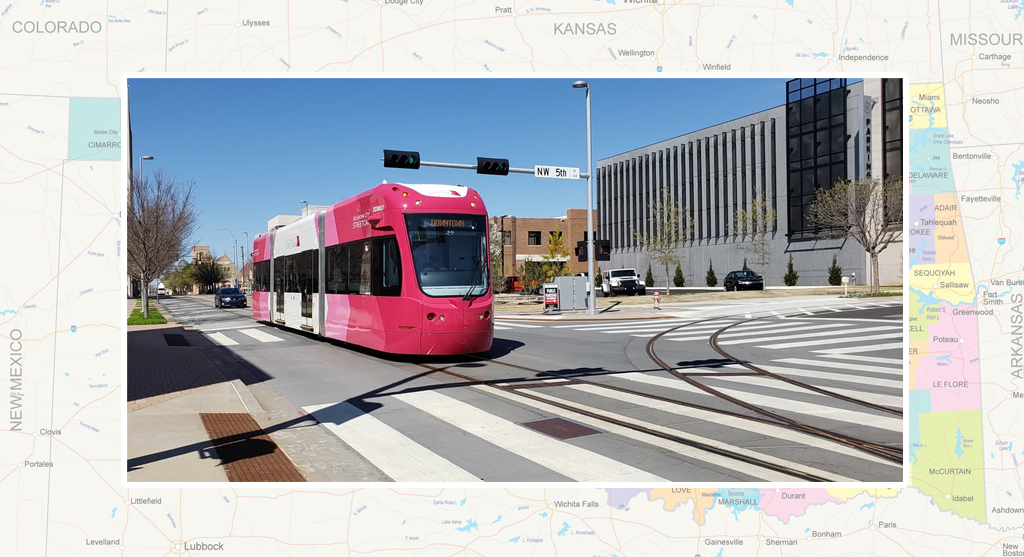
Oklahoma City Is Taking Transit Seriously (Which Is What Booming Regions Should Do)
The Big Friendly considers a small sales tax to boost transit, which is so necessary in a booming region.

August 3, 2026
Monday’s Headlines Are High on Highways
Roads already receive a disproportionate amount of federal transportation funding, and it will get worse if Republicans have their way.
August 3, 2026