Parking Madness: Hartford vs. Cleveland
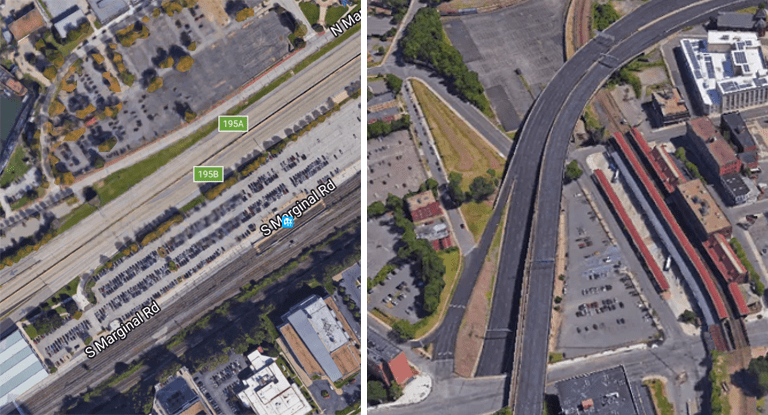
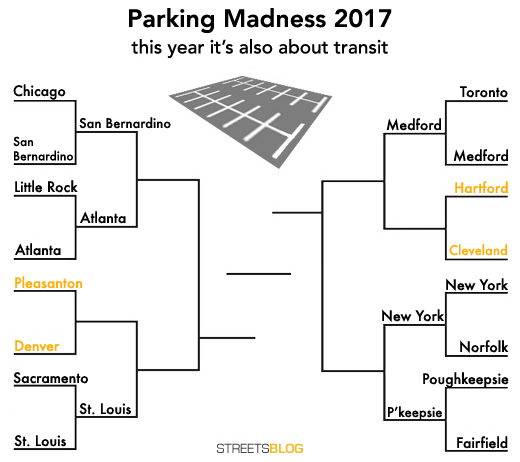
Streetsblog is on the hunt for the North American transit station that’s most severely undermined by excess surface parking, and today you’ll meet the last two contestants in the running.
So far, we’ve gotten to know 14 dreadful transit-adjacent parking scars in this year’s Parking Madness bracket. St. Louis, San Bernardino, Poughkeepsie, Queens, Atlanta, and Medford are through to round two, with Denver and Pleasanton still going at it in the polls until tomorrow afternoon.
The final spot in the Elite Eight is up for grabs today as two forlorn downtown train stations face off.
Hartford — Union Station
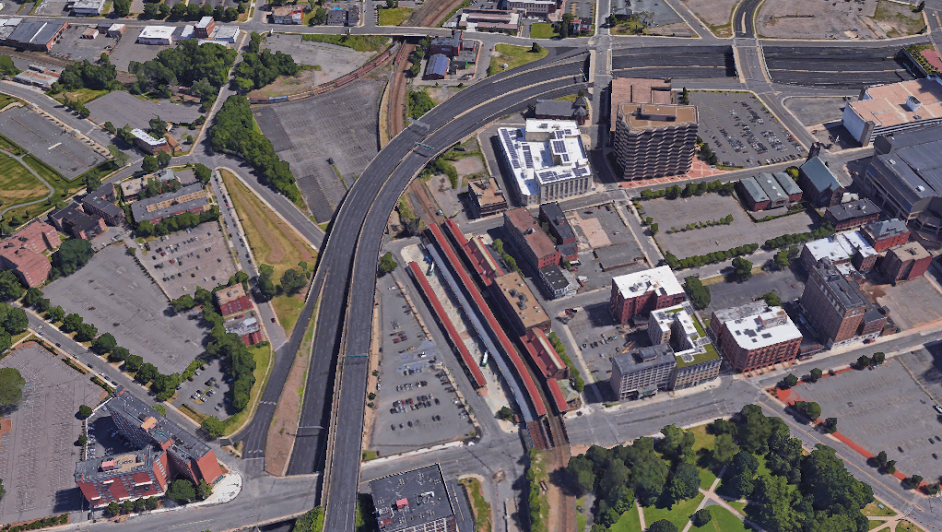
Multiple people nominated this transit station in downtown Hartford, Connecticut. Reader Mike Crimmins sets the scene:
Hartford’s main transit hub, Union Station, is located directly in the center of the picture above and currently serves as an Amtrak and CTFastrak bus rapid transit station, with commuter rail service running from Springfield, MA to Hartford to New Haven, CT expected to begin operating sometime next year. As you can see, there is currently a huge amount of parking around Union Station, isolating it from many offices and business just a few blocks away.
Parking constitutes around 20% of Hartford’s total land use, so this doesn’t come as much of a surprise. Interstate 84 runs through the city and passes close by the station as well. Efforts to reduce the impact of the freeway on the city and to repurpose some of the excessive amount of parking are underway, although it will likely take decades for the city to fully recover.
Cleveland — Waterfront Line “Muni Lot” Stop
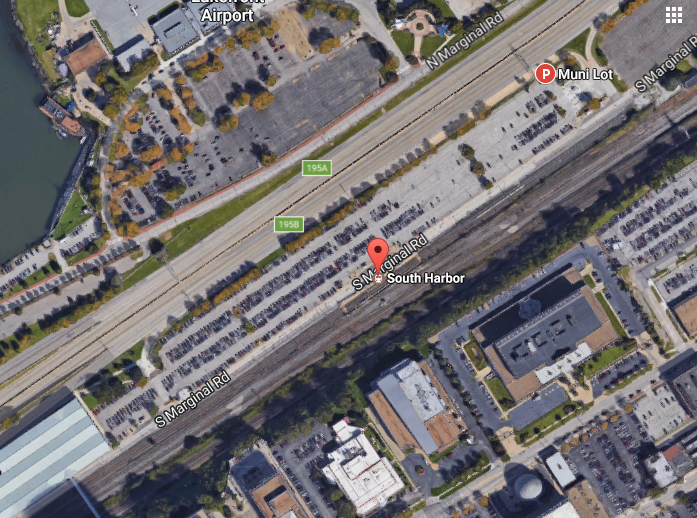
This site was nominated by everyone’s favorite Cleveland writer — yours truly (in consultation with local transportation Tweeters).
South Harbor Station, also known as the “Muni Lot” stop on the Waterfront Line, deserves recognition because the only thing it’s accessible to is parking for city employees, who can drive here and take the train to City Hall. The lot is wedged between a waterfront highway — Route 2 — and a set of railroad tracks, but it’s also right on the shoreline of Lake Erie next to downtown Cleveland. It’s basically a culmination of many, many transportation and planning failures.
The Waterfront Line was built in the 1990s and makes for good a case study in how not to plan transit. It was intended to serve the “Flats” entertainment district and runs between some of Cleveland’s biggest tourist attractions, like the Rock and Roll Hall of Fame and Browns Stadium. But ridership has disappointed, especially since the Flats went downhill, with just a few hundred riders per weekday and only a handful of people on each off-peak train. With ridership so low, it’s hard for the Cleveland RTA to justify running it, especially as the agency cuts bus service.
So there you have it. The voting is open until Thursday at 2 p.m. Eastern, and tomorrow we’ll move on to the round of eight.

Read More:
Streetsblog has migrated to a new comment system. New commenters can register directly in the comments section of any article. Returning commenters: your previous comments and display name have been preserved, but you'll need to reclaim your account by clicking "Forgot your password?" on the sign-in form, entering your email, and following the verification link to set a new password — this is required because passwords could not be carried over during the migration. For questions, contact tips@streetsblog.org.