
- Boston City Council Votes to Lower Speed Limit to 20 MPH on Most Streets (Universal Hub)
- Google, Uber, and Ford Launch Self-Driving Car Lobby (Tech Wire)
- D Magazine: Does Texas's Newly Free-Flowing SH 161 Disprove "Induced Demand?"
- Driver Critically Injures 6-Year-Old Akron Boy on Bike; Victim "Won't Be Cited" (Plain Dealer)
- Seattleites Disappointed With New Five-Year Bike Plan (The Stranger)
- Uber Preparing to Exit Houston Because of Its Rules (Texas Tribune)
- Arkansas Posts Depressing Videos of Downtown Little Rock Highway Widening Plan (Arkansas Online)
- Akron's New Planning Director Wants to Put the City's Roads on a Diet (Crain's Cleveland)
- WSJ: Increase Housing Density to Lower Rents in Cities
- The "Car-Free" Neighborhood Design for a German Suburb (Fast Company)
Today's Headlines
Today’s Headlines
Stay in touch
Sign up for our free newsletter
More from Streetsblog USA
Friday Video: The London Neighborhood Where Bikes Outnumber Cars
...and how they got to that impressive milestone.

July 11, 2025

Friday’s Headlines Battle Galactus
Like the Marvel supervillain, U.S. interstate highway system seems to eat up everything in his path. A new book explores how to stop it.

July 11, 2025
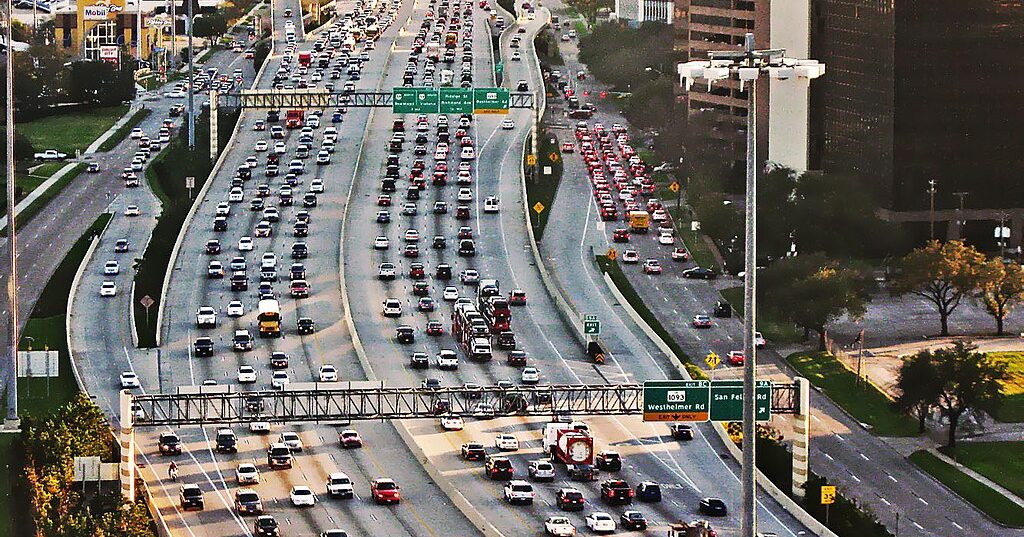
New Report Shows Pedestrian Fatalities Drop — But Experts Say Not Enough
The Governors Highway Safety Association report showed a 4 percent drop in the number of pedestrian deaths last year, putting a slow on a dangerous trend — but advocates say the drop isn't nearly big enough.

July 11, 2025

Talking Headways Podcast: Localities Subsidize the State DOT
Adie Tomer of Brookings on how to improve regional coordination around infrastructure.

July 10, 2025
Five of the Ugliest Transportation Policies In the ‘Big, Beautiful’ Bill
Here's a rundown of some of the transportation provisions in the Republicans' reconciliation package, and what they might mean for your community.

July 10, 2025

Viva La Thursday’s Headlines
Why is French transit ridership up 10 percent since before the pandemic, while American transit ridership is down 23 percent?
July 10, 2025