Fake Jaywalking Tickets for Kids: A Sad Reflection of Our Awful Streets
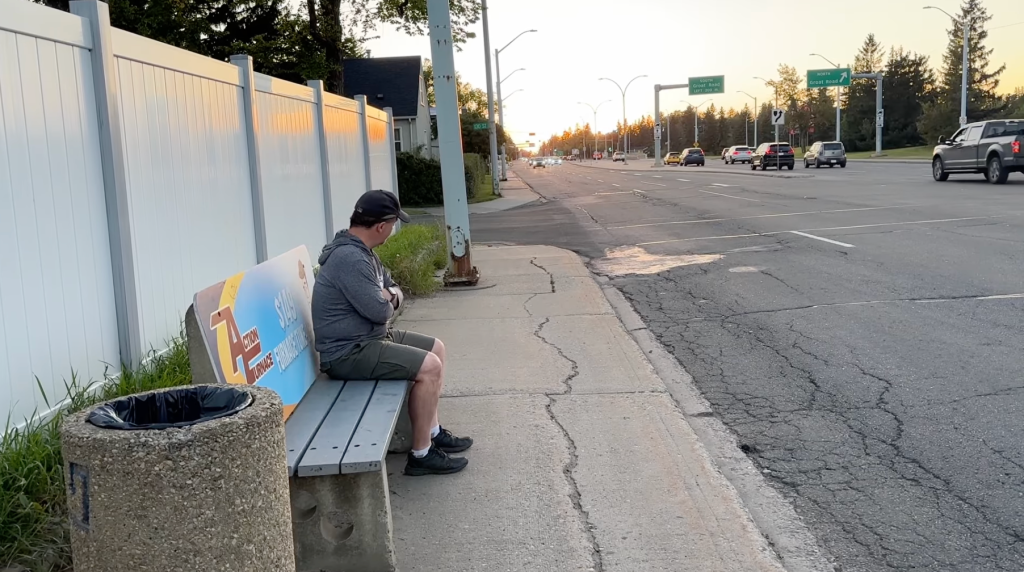
Who is responsible for the safety of kids on the street?

In Louisville, where the pedestrian fatality rate is higher than average, a city agency called Bike Louisville will be using grant funds on a safety education program that issues fake jaywalking citations to kids.
Branden Klayko at Broken Sidewalk says the program may be well-intentioned but there has to be a smarter way to spend that money:
According to Bike Louisville’s grant application, “The classes will teach our youth to walk and bicycle defensively, to anticipate dangerous situations, and to react appropriately.”
And that has been sparking controversy in online forums.
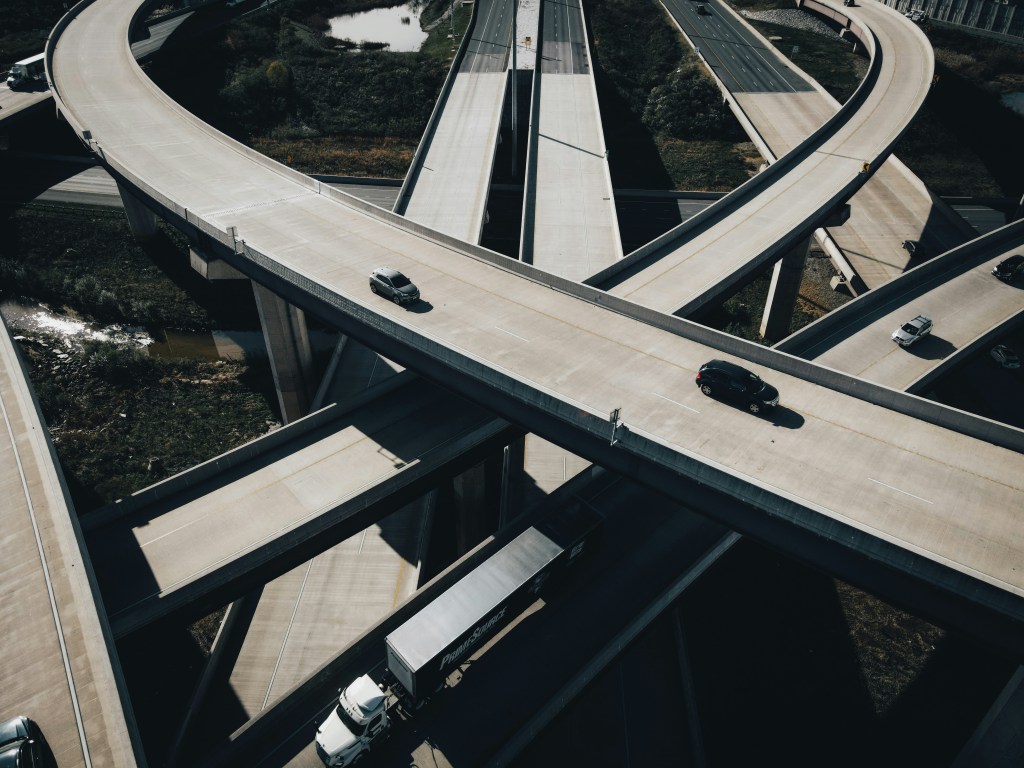
Louisville’s streets are deadly, built with the sole purpose of moving cars rapidly, and the city ranks above the national average for pedestrian fatalities — it’s not easy for anyone outside of a car to get around. We’re not going to educate our pedestrians out of our street safety problem. And even the most defensive walker is still no match for a distracted driver.
While educating children in proper street safety is certainly important, the underlying message that we should raise our children to “walk defensively” on Louisville streets misses the mark. On the surface, it appears to condone Louisville’s unsafe streets and place responsibility for dealing with it on the shoulders of bikers and pedestrians. Additionally, on our city’s dangerous streets, sometimes the safest place to cross the street is actually in the middle of a block, not at a crosswalk where multiple chaotic turning motions of motorists can end up being more dangerous — which could be termed jaywalking. What’s worse, this approach could end up teaching some Louisville pedestrians that our streets are unsafe and they’re better off driving in a car to avoid the risk. And as we have already explored in depth, jaywalking to begin with was originally a campaign begun by car manufacturers to stigmatize walking and get people off the street to make them easier to drive cars on.
Elsewhere on the Network today: Seattle Transit Blog reports that the Seattle region’s big transit expansion plan calls for the construction of 9,700 parking spaces at the insane cost of $80,000 per stall. And Plan Philly has the news about revised property tax policies in the City of Brotherly Love that may encourage more development and less vacancy.

Read More:
Streetsblog has migrated to a new comment system. New commenters can register directly in the comments section of any article. Returning commenters: your previous comments and display name have been preserved, but you'll need to reclaim your account by clicking "Forgot your password?" on the sign-in form, entering your email, and following the verification link to set a new password — this is required because passwords could not be carried over during the migration. For questions, contact tips@streetsblog.org.