How Sprawl Hits Atlanta Residents Right in the Wallet

There’s no shortage of good reasons to drive less, but maybe the most compelling personal incentive is that it can save you a ton of money.
Unfortunately, in a lot of places, making major changes to your travel habits is not that simple. Darin at ATL Urbanist says that in his city, most people are essentially trapped in a system that undermines their financial well being:
$9,253 — that’s the average annual savings for someone in Metro Atlanta who, according to this new APTA report, gives up a car and switches to public transit. The savings is based on the assumption that a person in a two-person household lives with one less car.
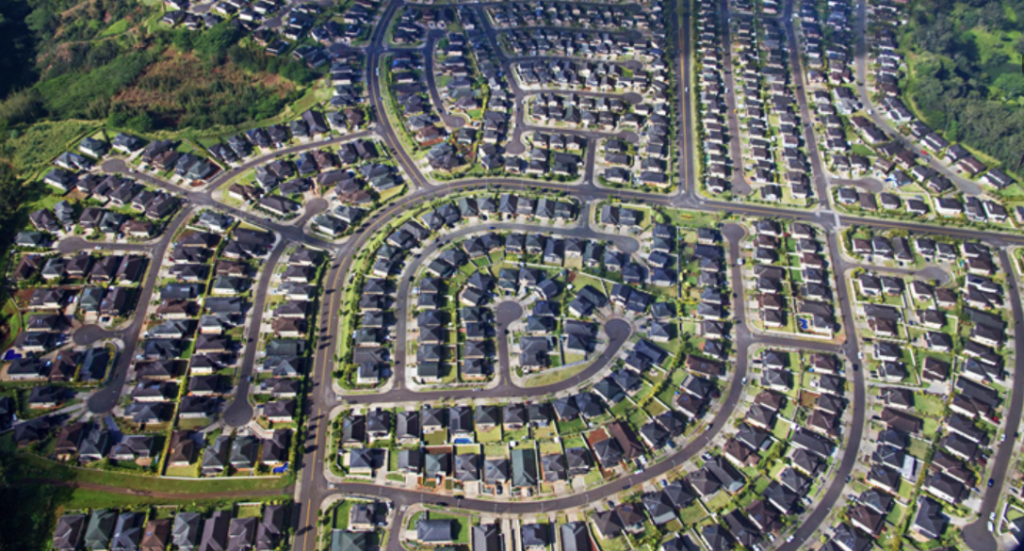
Here’s a BIG asterisk for that dollar amount: the Atlanta region is so heavily dominated by car-centric sprawl that there are many here who might like to save this money and make the switch to transit, but can’t.
As I’ve written before, the transit agencies in this region struggle to provide efficient service to people because of the way the built environment sprawls out. The homes, stores, offices, schools, recreation — it’s all laid out in a fashion that is navigable primarily by personal cars.
So if you’re looking for yet another reason to urge leaders and governments in the Atlanta region to stop the sprawling and focus new developments in a more compact, walkable format, here it is: people here could save thousands of dollars a year if we didn’t have to own cars to get around for every trip.
Elsewhere on the Network today: This Old City explains the problems with Philadelphia’s reliance on “spot zoning” to make way for big new developments. And The City Fix reports that Brasilia has a new policy that allows women to chose exactly where they will get off the bus at night.

Read More:
Streetsblog has migrated to a new comment system. New commenters can register directly in the comments section of any article. Returning commenters: your previous comments and display name have been preserved, but you'll need to reclaim your account by clicking "Forgot your password?" on the sign-in form, entering your email, and following the verification link to set a new password — this is required because passwords could not be carried over during the migration. For questions, contact tips@streetsblog.org.