Today’s Headlines
L.A. Gets Ready to Pursue $1.1B Federal Grant for Subway Extension (Progressive Railroading) D.C. Metro CEO to Step Down in January (WaPo) GAO: More Transparency Needed With TIGER Grants (Transpo Topics) After Spike in Transit Worker Fatalities, NTSB Offers Recommendations (Roll Call) How Should Atlanta’s Beltline Project Grapple With Equity? (Creative Loafing Atlanta) Boosting Pennsylvania’s … Continued

By
Katie Pearce
8:55 AM EDT on September 25, 2014
- L.A. Gets Ready to Pursue $1.1B Federal Grant for Subway Extension (Progressive Railroading)
- D.C. Metro CEO to Step Down in January (WaPo)
- GAO: More Transparency Needed With TIGER Grants (Transpo Topics)
- After Spike in Transit Worker Fatalities, NTSB Offers Recommendations (Roll Call)
- How Should Atlanta’s Beltline Project Grapple With Equity? (Creative Loafing Atlanta)
- Boosting Pennsylvania’s Train Ridership No Easy Challenge (Pop City)
- As NJ’s Transpo Funds Run Dry, Should Gas Tax Hike Be on the Table? (NorthJersey.com, Philly.com)
- In Twin Cities, New Transpo Funding Method Aims to Reduce Racial Inequality (Next City)
- Are Uber and Lyft Good for Sustainability? (Mobility Lab)
- Panel Urges Tampa Leaders to Continue Transit Push (Tampa Bay Biz Journal)
- Does the 3-Foot Rule for Bikes Actually Work? (Outside)

Streetsblog has migrated to a new comment system. New commenters can register directly in the comments section of any article. Returning commenters: your previous comments and display name have been preserved, but you'll need to reclaim your account by clicking "Forgot your password?" on the sign-in form, entering your email, and following the verification link to set a new password — this is required because passwords could not be carried over during the migration. For questions, contact tips@streetsblog.org.
More from Streetsblog USA
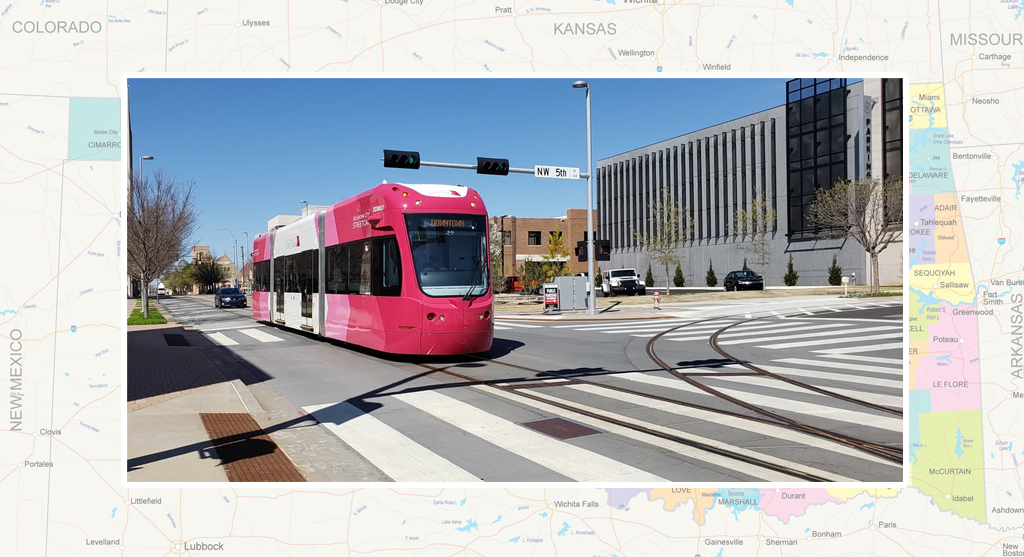
Friday’s Headlines: Streetcars Get Mixed Reviews
As Omaha builds a downtown streetcar line, how have similar projects in other cities panned out?

August 21, 2026
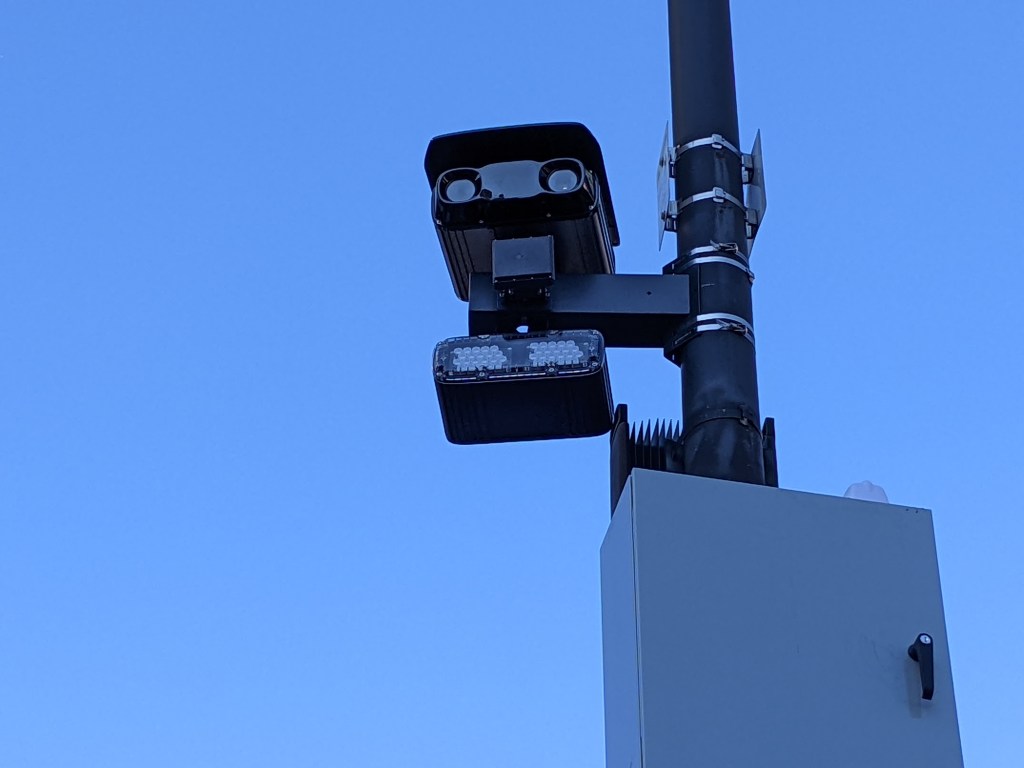
New Report Underscores Success of Speed Cameras in Oakland
Speeding is down at camera locations. But advocates caution against relying too much on cameras without concrete infrastructure

August 20, 2026
Talking Headways Podcast: How Money for Highways Could Have Built 36 Paris Metros
The money we spent on urban freeways could have transformed American cities for the better.

August 20, 2026
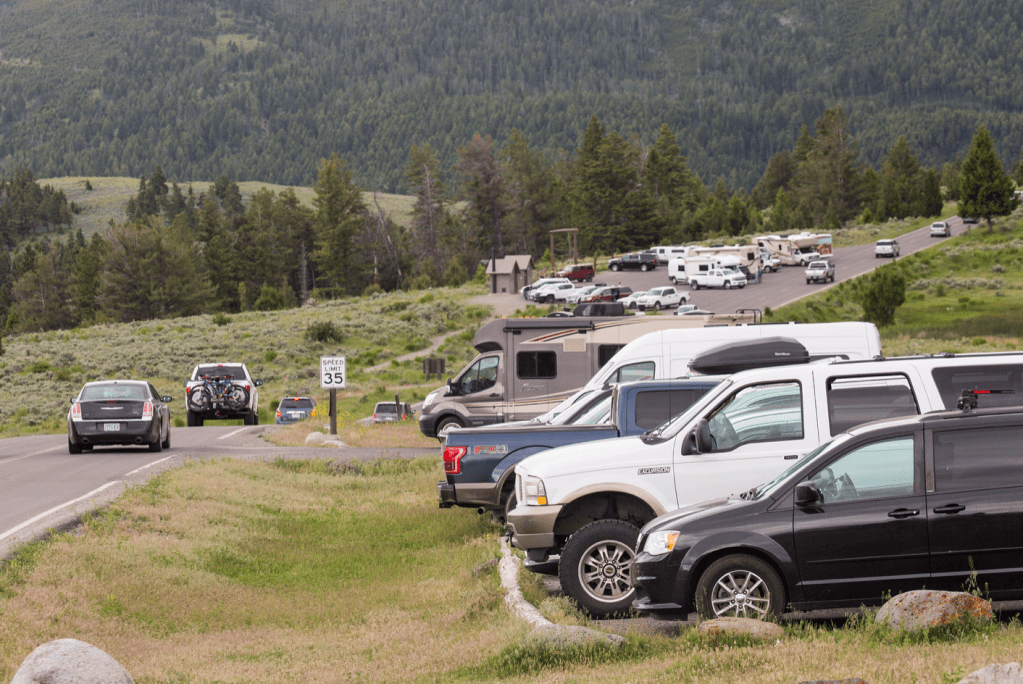
Take Thursday’s Headlines Home, Country Roads
The Trump administration wants to build roads through pristine public lands.
August 20, 2026
A New US-Canada Bridge Opposed By Trump Has a One-of-a-Kind Bike Path
The bike-ped path on the brand new Gordie Howe International Bridge opened on Aug. 5 despite the president's opposition.

August 19, 2026