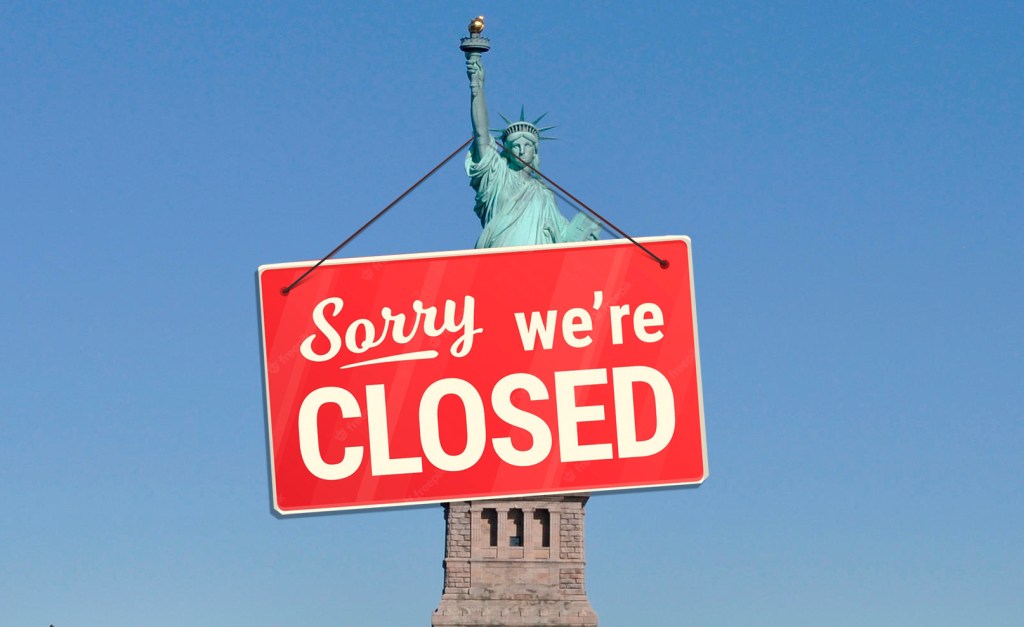
Portland’s CRC Highway Project Is Dead — And Buried
We’ve said it before, and it gives us great pleasure to say it again: Portland’s Columbia River Crossing highway megaproject is dead. And this time it appears the project is finally, definitely deceased.

Oregon lawmakers adjourned this week without authorizing funding for the $3 billion-plus bridge and highway widening project. Last year, it looked like the CRC had collapsed under its own weight, and many declared the project finito after Washington state lawmakers declined to fork over their share of the funding. But project supporters weren’t so easily defeated, and have spent the intervening time trying to revive the project in some capacity.
That effort was short-lived and unsuccessful, Jonathan Maus at Bike Portland reports today:
It’s real this time folks. It’s over. ODOT has just announced they will “shut down” the Columbia River Crossing Project once and for all.
ODOT Director Matt Garrett said in a statement “the project will begin the process of orderly archival and closeout.”
Meanwhile over at Portland Transport, Chris Smith is wondering what will become of the $450 million Oregon lawmakers refused to hand over to make the project happen:
What might that look like absent the CRC? Here are a few possibilities:
- An urban transportation agenda. Mayor Hales has suggested that perhaps now the conversation could shift to the “orphan highways” – ODOT facilities in our cities (Powell, Barbur, Sandy and 82nd for example in Portland). These should be transferred to city ownership and management, but someone needs to pay to upgrade them to current standards.
- The NE Quadrant/Rose Quarter “safety” project. A $400M freeway widening in the name of safety. But one that unlocks a lot of good land use policy in the process, so the City of Portland might get behind it.
- The beginnings of the “common sense alternatives” to the CRC, including potentially rebuilding the Marine Drive Interchange to provide Hayden Island access from that interchange, solving a lot of problems with the current ramps on the island.
- Nothing at all. After all, the $450M in bonding that the Legislature promised for the CRC didn’t actually have a repayment source identified.
Elsewhere on the Network today: The Political Environment says healthy national trends favoring transit are bypassing Wisconsin because of backwards policies. Systemic Failure reports that it looks like San Jose is going to blow a big opportunity to become a more urban place. And Suburban Assault highlights an all-too-common but still unbelievable bike parking failure.

Read More:
Streetsblog has migrated to a new comment system. New commenters can register directly in the comments section of any article. Returning commenters: your previous comments and display name have been preserved, but you'll need to reclaim your account by clicking "Forgot your password?" on the sign-in form, entering your email, and following the verification link to set a new password — this is required because passwords could not be carried over during the migration. For questions, contact tips@streetsblog.org.