NSC: 36,200 Americans Killed in Traffic in 2012, First Increase in 7 Years
After seven years of declines, traffic deaths in America rose again in 2012, according to a preliminary estimate by the National Safety Council.
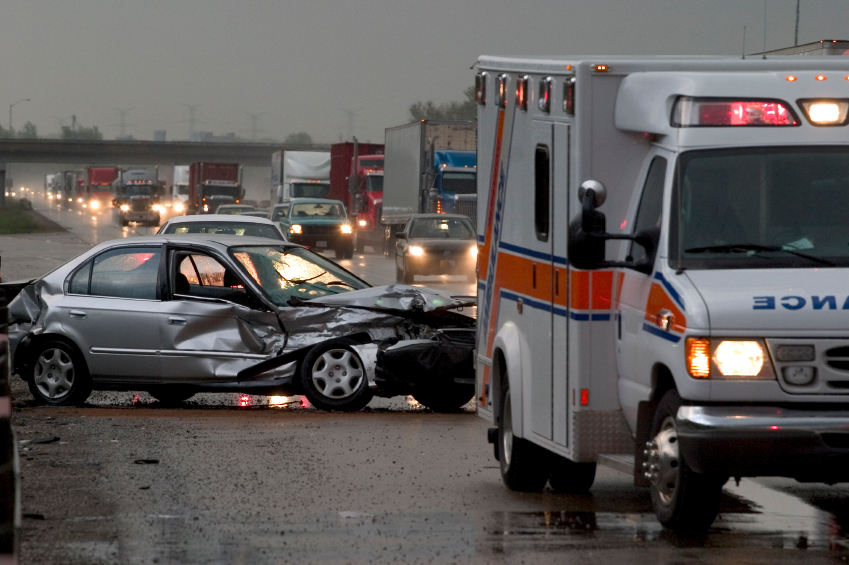
An estimated 36,200 people were killed in traffic collisions last year — a five percent increase over 2011, according to the NSC. In 2011, 34,600 people were killed on American roads.
Traffic injuries increased by the same margin in 2012, with roughly 4 million Americans requiring medical care for trauma incurred in a collision, a five percent increase.
The NSC attributes the increase to an overall rise in vehicle miles traveled, speculating that the continuing economic recovery and the mild winter of 2012 were major factors leading Americans to drive more. While U.S. economic growth has become increasingly decoupled from the amount Americans drive, the link is still strong enough, apparently, that an expanding economy means more people are at risk of getting hurt or killed on the streets.
The National Highway Traffic Safety Administration has not released its final data for total miles driven in 2012 (the December report is not complete). However, for eight of the 11 months for which 2012 data is available, driving did increase over 2011 totals. If vehicle miles traveled did indeed increase in 2012, that would also represent a reversal of recent downward trends. According to the State Smart Transportation Institute, total driving had declined in six of the seven years prior to 2012. In 2011, Americans drove roughly as many total miles as they did in 1998, according to the organization.
NSC officials also pointed to distracted driving and an increase in the number of heavy trucks on the roads as other possible factors in the increased bloodshed.
Barbara Harsha, executive director of the Governors Highway Safety Association, told the Associated Press that it’s difficult to determine the extent to which distracted driving is be a factor. “The distraction data is very, very difficult to get,” she said.
In 2012, motor vehicle collisions cost Americans a total of $276 billion in premature deaths, lost wages and productivity, medical expenses, administrative expenses, employer costs, and property damage, according to NSC. A separate analysis by the NHTSA won’t be available until later this year.
The NHTSA’s report on 2011 traffic deaths showed a decrease in overall fatalities but an increase for pedestrians and cyclists. Interestingly, Harsha believes that increased walking and biking in urban areas may be a factor in 2012’s overall increases.

Read More:
Streetsblog has migrated to a new comment system. New commenters can register directly in the comments section of any article. Returning commenters: your previous comments and display name have been preserved, but you'll need to reclaim your account by clicking "Forgot your password?" on the sign-in form, entering your email, and following the verification link to set a new password — this is required because passwords could not be carried over during the migration. For questions, contact tips@streetsblog.org.