What Is the Anti-Density Crowd Really Afraid Of?
Yesterday, we mentioned that some people in Washington, DC, are up in arms over a zoning rule designed to let more people move in to some residential areas. Linda Schmitt, leader of a group that goes by the name “Neighbors for Neighborhoods,” is organizing against a measure that would allow people to live in existing buildings in alleyways. It was a curious complaint, because, as David Alpert at Greater Greater Washington noted, what they were all worked up over amounted to a few “cute, clean little brick house[s].”

Cap’n Transit today attempts to determine what people are really upset about when they get upset about new neighbors. More than anything, he says, what’s at the heart of the complaints is not really “density,” but space for cars:
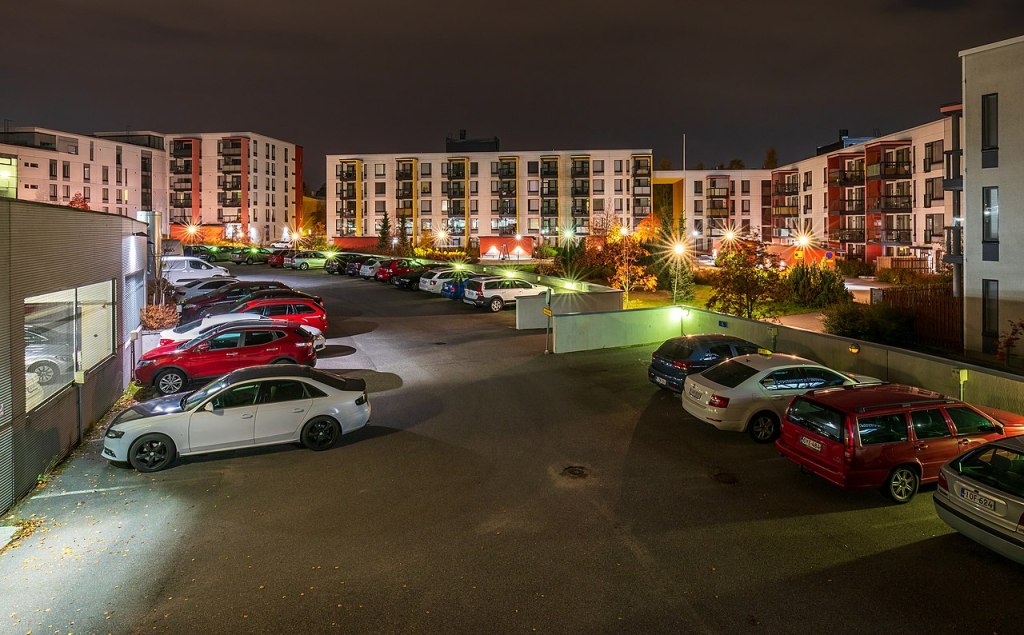
As in most cases, the threat from these cute little houses has nothing to do with parks or schools. It’s about the value of allocating land for parking and driving. For David Alpert and most of the Greater Greater Washington readership, parking is a nasty scourge that separates people’s homes from each other and from businesses without adding anything pleasant or interesting. For Linda Schmitt… parking is a scarce resource that is being gobbled up by the unwelcome new residents.
For the most part, “density” is an unhelpful, unenlightening way of thinking about neighborhood conflicts. Most conflicts about “density” are really conflicts about parking or road space. Try it yourself. Next time you’re thinking of using the word “density” in this context, try replacing it with “competition for parking” or “competition for space on the road.” I bet you’ll find it clears some things up.
Elsewhere on the Network today: Walkable Dallas Fort Worth looks at the U.S. cities with the highest drunk driving rates and finds they share a similar development pattern. Kaid Benfield at NRDC’s Switchboard blog reports that sprawl could consume 34 million acres of forest by 2060 if current trends continue. And City Block says Zipcar and other car sharing services, including long-term rentals, fall somewhere on a spectrum between car ownership and taxi use.

Read More:
Streetsblog has migrated to a new comment system. New commenters can register directly in the comments section of any article. Returning commenters: your previous comments and display name have been preserved, but you'll need to reclaim your account by clicking "Forgot your password?" on the sign-in form, entering your email, and following the verification link to set a new password — this is required because passwords could not be carried over during the migration. For questions, contact tips@streetsblog.org.