Today’s Headlines
Funding Disagreements Delay Aviation Bill; Surface Transportation is Next in Line (The Hill) How to Put Transportation at the Service of U.S. Economic, Environmental Goals (Brookings) States Take Steps to Improve Bicycle Safety (USA Today) Yup, We Knew It: People Drive Less When Gas is Expensive (Reuters) So, What Happens If Gas Prices Drop, As … Continued

By
Tanya Snyder
8:39 AM EDT on May 24, 2011
- Funding Disagreements Delay Aviation Bill; Surface Transportation is Next in Line (The Hill)
- How to Put Transportation at the Service of U.S. Economic, Environmental Goals (Brookings)
- States Take Steps to Improve Bicycle Safety (USA Today)
- Yup, We Knew It: People Drive Less When Gas is Expensive (Reuters)
- So, What Happens If Gas Prices Drop, As Expected? (The Hill)
- Congestion Pricing Reduces Congestion, Saves Travelers Time, Rescues Local Budgets (CSM)
- Exemptions for People With Disabilities Undermine Performance Parking System (Yglesias)
- Misguided Minimums: Yankees Parking Lot Half Empty During Sold-Out Games (AltTransport)
- Gabe Roth: Democrats Are Good For Sharing the New Yorker, Not For Transpo Policy (National Journal)
- Bike-Sharing Works — Even in Congested, Chaotic Mexico City (Good)

Tanya became Streetsblog's Capitol Hill editor in September 2010 after covering Congress for Pacifica Radios Washington bureau and for public radio stations around the country. She lives car-free in a transit-oriented and bike-friendly neighborhood of Washington, DC.
Read More:
Streetsblog has migrated to a new comment system. New commenters can register directly in the comments section of any article. Returning commenters: your previous comments and display name have been preserved, but you'll need to reclaim your account by clicking "Forgot your password?" on the sign-in form, entering your email, and following the verification link to set a new password — this is required because passwords could not be carried over during the migration. For questions, contact tips@streetsblog.org.
More from Streetsblog USA
Speed Ills! Reckless Driving on the Rise in Car Ads, Study Shows
Car commercials featuring unsafe driving are rising — as are crash fatalities linked to speeding. Hmm.

May 12, 2026
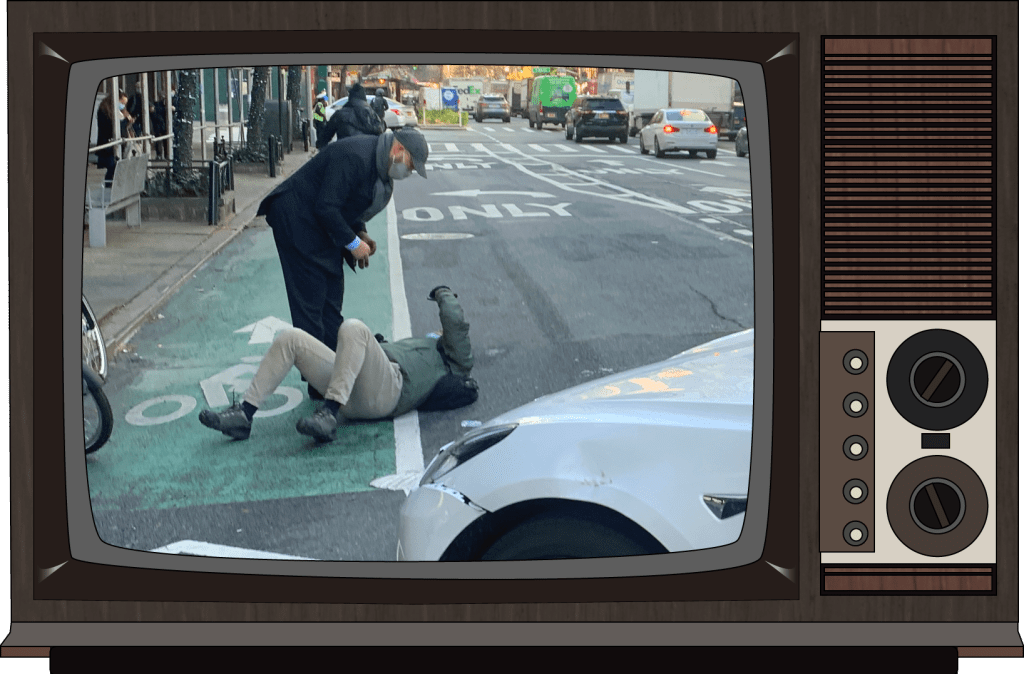
Not For Granite: New Hampshire Man Isn’t Laughing At Anti-Cyclist Comments From State Elected Official
A voter sent this letter to state Rep. Thomas Walsh, but he speaks for all of us.

May 12, 2026
Tuesday’s Headlines Have a Side Hustle
Sean Duffy goes back to his roots with a new reality TV show.

May 12, 2026
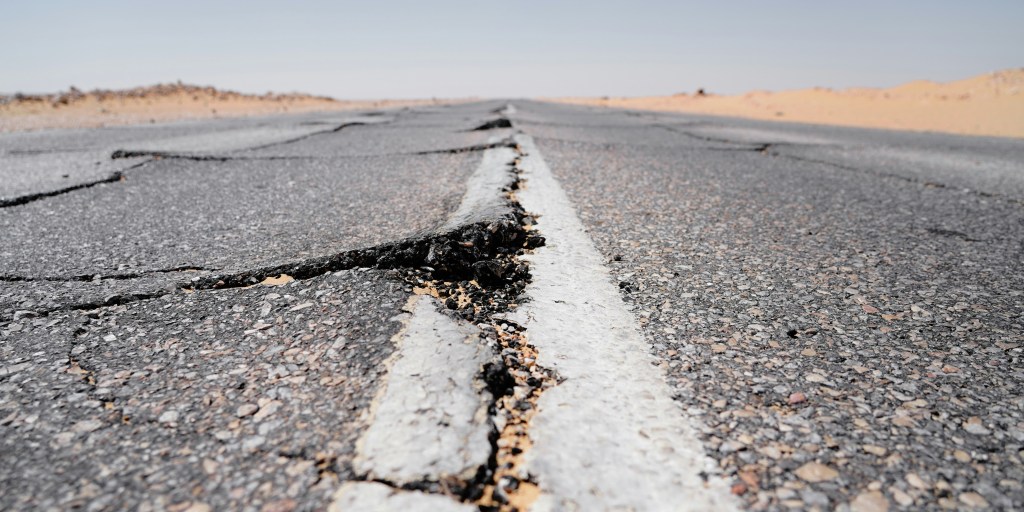
Congress Gave States Enough Money to Fix Every Road in America; Some States Set It On Fire Instead
Every year, politicians pledge to fix our "crumbling roads and bridges." Even when we give them enough money to do it, they don't.

May 11, 2026
Monday’s Headlines Should Be Obvious
Solutions for traffic proposed by experts will probably come as no surprise to most Streetsblog readers.
May 11, 2026