Michigan Voters Love Transit; State Legislators, Not So Much
Do Michiganders value transit? Judging from the results of a recent election, the answer is a resounding ‘yes.’

Voters in relatively conservative Western Michigan approved five out of five transit levies that were up for approval during last week’s election. (Three were approved with more than 75 percent supporting.)
Through the magic of direct democracy, voters’ priorities will be translated directly into law. Unfortunately, in the statehouse, it’s not quite as straightforward. One legislator in particular, Republican David Agema, has targeted the state’s already austere transit coffers in the name of road building.
Agema introduced and won House support for a transportation budget with $20 million less in transit funding than Republican Governor Rick Snyder’s proposal. Meanwhile, Michigan senators followed on, approving a slightly less severe $15 million in cuts.
Joel Batterman at Transport Michigan has this report:
A longtime transit opponent, Agema states that he’s “trying to do everything I can to get roads built without raising your taxes,” and advocates ratcheting up bus fare instead – citing the fantastical proposal for privately built, hydrogen-fueled rail lines along Interstates as one transit program he could support.
Those with a mind to be generous might conclude that Agema simply suffers from the widespread misconception that roads pay for themselves (not true) and transit doesn’t. Yet a review of Agema’s other legislation suggests it’s part of a broader tendency to be just plain mean. Agema has also sought to pass an Arizona-style law against undocumented immigrants, slash funding to universities that offer domestic partner benefits, and cut the state clothing allowance for poor orphans. Cutting transit funds is just one more “efficiency” at the expense of assorted have-nots.
Environmentalists and transit advocates in Michigan are asking voters to contact their representatives and urge them to restore funding in the conference process. Restoring the fund to the level recommended by the governor would allow the state to maintain its current level of service.
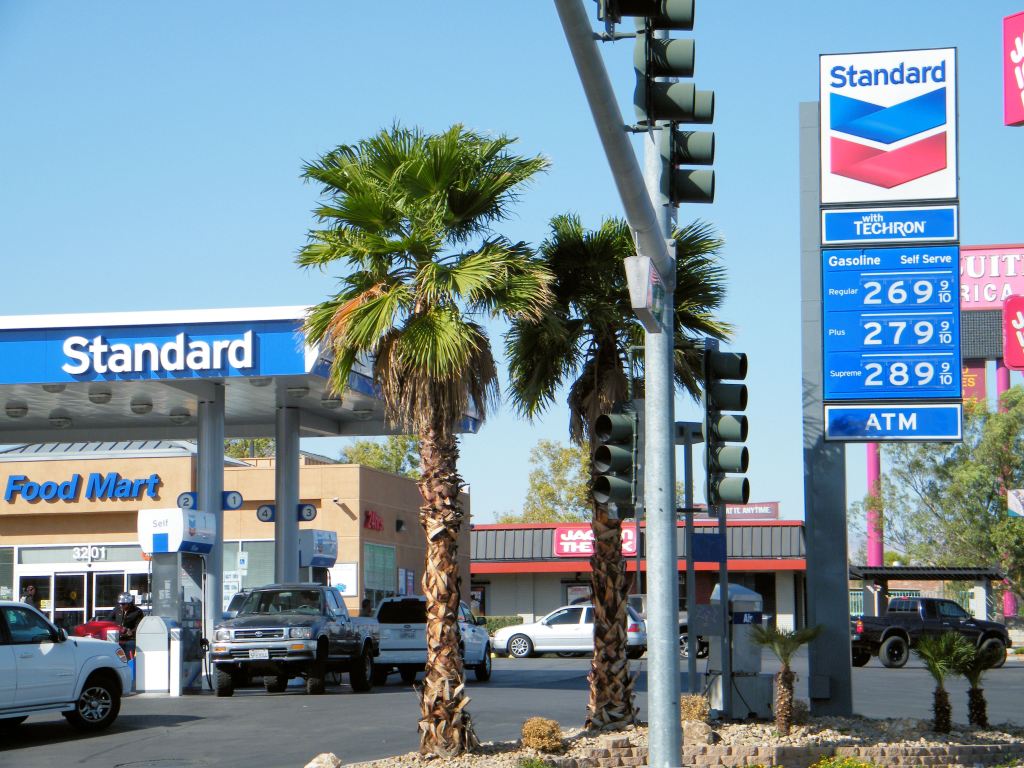
That’s important for a state that’s not known for transit, at a time when gas prices are near record highs, said Tim Fisher, an environmental attorney with the Michigan Environmental Council.
“We’ve cut so much, there’s no fat left. There’s hardly any meat left. We’re down to cutting the bone.”

Read More:
Streetsblog has migrated to a new comment system. New commenters can register directly in the comments section of any article. Returning commenters: your previous comments and display name have been preserved, but you'll need to reclaim your account by clicking "Forgot your password?" on the sign-in form, entering your email, and following the verification link to set a new password — this is required because passwords could not be carried over during the migration. For questions, contact tips@streetsblog.org.