Report: Commuters in Eugene, Oregon Have It Best

Today on the Streetsblog Network, Jonathan Maus at Bike Portland outlines a study conducted by financial websites TheStreet and Bundle which ranks the most and least expensive cities for commuters. According to the study’s authors, about seven in ten American communities are considered affordable based on housing costs alone. When commuting costs are factored into the equation, that figure drops to just four in ten.
The cost of commuting has always been an under-appreciated expense for homeowners — particularly in exurban regions. In his analysis, Maus also notes that providing low-cost transportation options may have helped some cities rise to the top of the list:
When looking at data like average length of commute, miles traveled, annual hours delayed, auto expenses, and gas prices, the study found that Eugene was at the top of the “best” list. Dallas, Texas was on the bottom. Portland came in at 42nd.
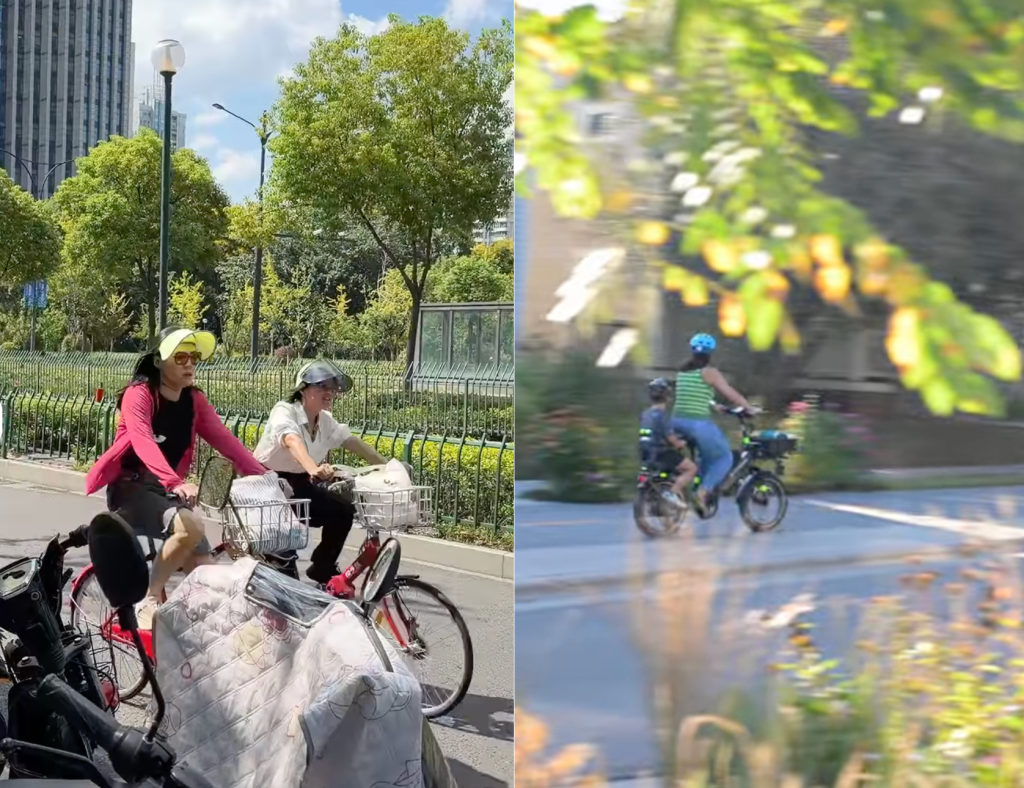
While the analysis doesn’t mention how or if bike-ability plays into the equation, it should be noted that Eugene and Boulder, Colorado — two of the most bike-friendly cities in the country — ranked in the top ten on the “best commute” list (first and eighth respectively).
A survey of U.S. cities shows that, when transportation costs are figured into the equation, moving out to the suburbs for a cheaper house isn’t as affordable as most people think.
The impact of the housing crisis in far-flung exurban areas has alerted many Americans to the full costs of drive-til-you-qualify home purchases, and a few policy reforms advanced by the Obama administration aim to uncover this hidden cost of homeownership.
Elsewhere on the Network today: Baltimore Spokes features a great documentary about what it’s like to be a cyclist in Florida, one of the most dangerous states for pedestrians and bike riders. TBD on Foot outlines Washington, D.C.’s plans to install “multi-modal displays” in bus shelters around town with real-time information about transit services, car- and bike-sharing. And Publicola takes on the Seattle Housing Authority for reserving huge plots of land near new public hoousing projects for parking, while transit options are abundant.

Read More:
Streetsblog has migrated to a new comment system. New commenters can register directly in the comments section of any article. Returning commenters: your previous comments and display name have been preserved, but you'll need to reclaim your account by clicking "Forgot your password?" on the sign-in form, entering your email, and following the verification link to set a new password — this is required because passwords could not be carried over during the migration. For questions, contact tips@streetsblog.org.