

Today’s Headlines
New York officials announce that Broadway will remain car-free in midtown (Streetsblog NYC) In the quest for bike-friendly cities, are snobby cyclists their own worst enemies? (A. Prospect) D.C. responds to its weather challenges by building new infrastructure: a snow mountain (WSJ) Korea eyes an estimated $45B deal to help build California’s high-speed rail network … Continued

By
Elana Schor
7:51 AM EST on February 12, 2010
- New York officials announce that Broadway will remain car-free in midtown (Streetsblog NYC)
- In the quest for bike-friendly cities, are snobby cyclists their own worst enemies? (A. Prospect)
- D.C. responds to its weather challenges by building new infrastructure: a snow mountain (WSJ)
- Korea eyes an estimated $45B deal to help build California’s high-speed rail network (K. Times)
- Commute headaches caused by East Coast blizzard causing more companies to turn to telecommuting (WSJ)
- Honolulu mayor challenges his state’s governor on transit foot-dragging (Star-Bulletin)
- The Detroit area’s Ambassador Bridge could soon be under Canadian ownership (MI Messenger)
- Safe Routes to School partnership releases a new report on expanding the program into low-income neighborhoods (SRTS Press)

Streetsblog has migrated to a new comment system. New commenters can register directly in the comments section of any article. Returning commenters: your previous comments and display name have been preserved, but you'll need to reclaim your account by clicking "Forgot your password?" on the sign-in form, entering your email, and following the verification link to set a new password — this is required because passwords could not be carried over during the migration. For questions, contact tips@streetsblog.org.
More from Streetsblog USA
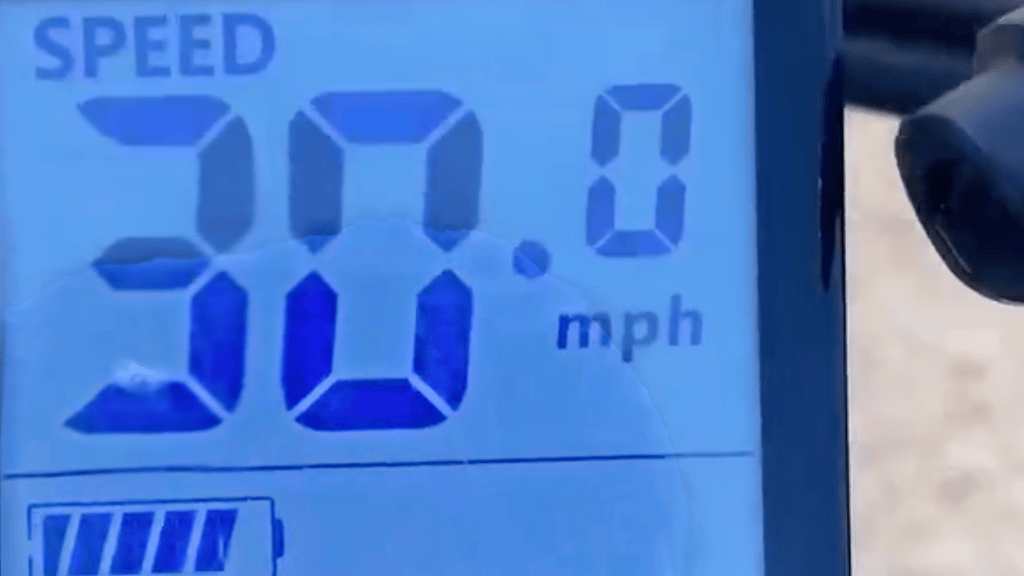
Why Deadly, Illegal E-Motos Are On The Rise – And Why E-Bikes Are Being Blamed When They Crash
...and what we can do to protect our kids *and* the e-bike revolution.

October 26, 2026
Monday’s Great Smokey Headlines
While other countries work to reduce greenhouse gas emissions, the U.S. is moving in the opposite direction.

October 26, 2026

Friday Video: Inside the Global Far-Right Push To Rip Out Bike Lanes
Toronto might be in the center of the fight to resist bike lane teardown today. But if some far-right politicians have their way, this fight won't be the last.

October 23, 2026

Friday’s Headlines Shoot Themselves in the Foot
Gas taxes pay for transit, too, so what happens when politicians pander to voters, and the highway trust fund runs dry?
October 23, 2026
Talking Headways Podcast: A More Humanized Experience in Honolulu
If we look transit just as a distance issue, but as a time issue, performance should be discussed as one big whole.

October 22, 2026
