Today’s Headlines
Joel Kotkin is back, charging Obama with waging “war against suburbia” (American) Sen. Lincoln (AR) one of several Democrats backing a GOP effort to block EPA from regulating carbon emissions (The Hill) California backs away from a threat to abandon the White House auto fuel-efficiency deal if its loopholes aren’t addressed (Free Press) Lester Brown: … Continued

By
Elana Schor
7:50 AM EST on January 22, 2010
- Joel Kotkin is back, charging Obama with waging “war against suburbia” (American)
- Sen. Lincoln (AR) one of several Democrats backing a GOP effort to block EPA from regulating carbon emissions (The Hill)
- California backs away from a threat to abandon the White House auto fuel-efficiency deal if its loopholes aren’t addressed (Free Press)
- Lester Brown: Amid rising hunger, the U.S. is feeding one-quarter of its grain to cars (Grist)
- U.S. DOT to San Francisco’s BART: Address social equity concerns with your proposed airport transit line, or watch it lose stimulus money (Streetsblog SF)
- Virginia’s new governor: no plan for transportation, but truckers love that he’s reopening rest stops (WaPo)
- Data on transit’s job-creation potential — which you read here first — gets some big notice (Wired)
- In Tennessee, Knoxville city officials mull the loss of their unused stimulus money (News-Sentinel)
- In Wisconsin, legislators mull a half-cent sales tax increase that could be used for rail (Journal-Sent.)

Streetsblog has migrated to a new comment system. New commenters can register directly in the comments section of any article. Returning commenters: your previous comments and display name have been preserved, but you'll need to reclaim your account by clicking "Forgot your password?" on the sign-in form, entering your email, and following the verification link to set a new password — this is required because passwords could not be carried over during the migration. For questions, contact tips@streetsblog.org.
More from Streetsblog USA
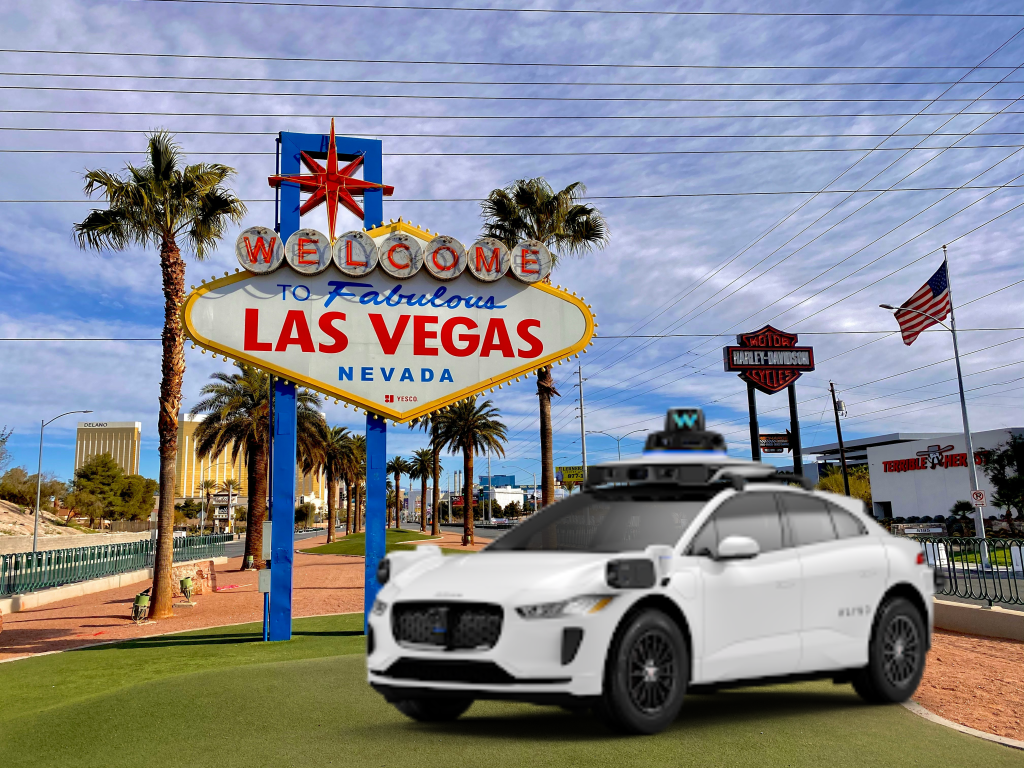
Waymo’s Nevada Rollout Violates Accessibility Law, Disability Activist Claims
The company says it plans to comply, but true equality is years away.

September 10, 2026
Thursday’s Headlines Yearn to Breathe Free
Is our children learning? It helps if they have clean air.

September 10, 2026

I Care About E-Bike Safety 0.02 Percent of The Time
Click-bait media outlets would have you think we should drop everything and do something about the scary threat of battery-powered bicycles and battery-powered motorcycles. But are either the biggest threat that road users face?

September 10, 2026
Wednesday’s Headlines Are Still Pretty Dirty
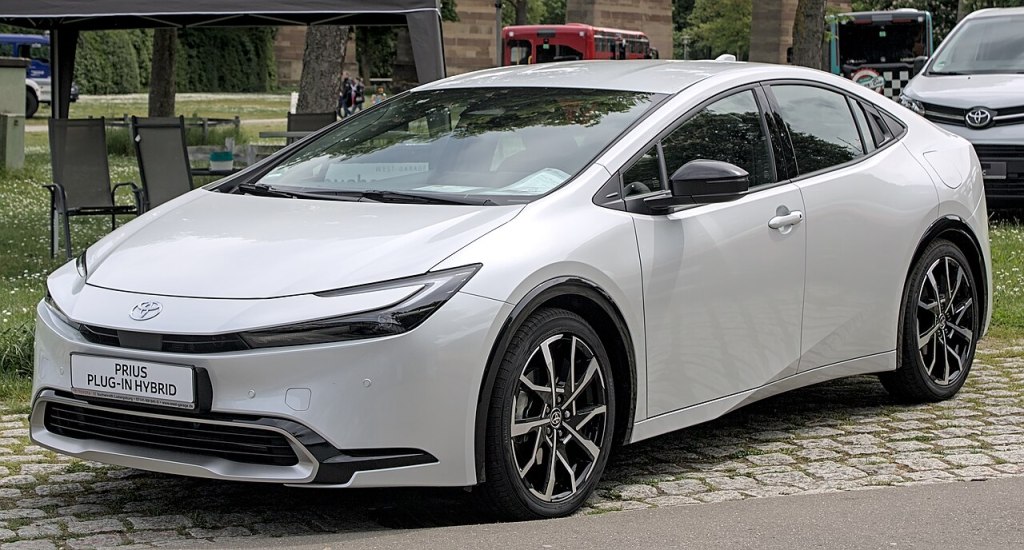
Plug-in hybrids are a "greenwashing stunt" that are not much cleaner or fuel efficient than fully gas-powered cars, according to Transport & Environment.
September 9, 2026
Tuesday’s Headlines Cheap Out
A bill to keep transportation money flowing rolls back funds to pre-infrastructure act levels.
September 8, 2026