A Major Bike Lane Upgrade, Brought to You by Portland’s Transit Agency


Michael Andersen blogs for The Green Lane Project, a PeopleForBikes program that helps U.S. cities build better bike lanes to create low-stress streets.
It’s safe to say Portland has found a way to solve the problem of people confusing a sidewalk with a sidewalk-level bike lane.
The answer: lots and lots of green.
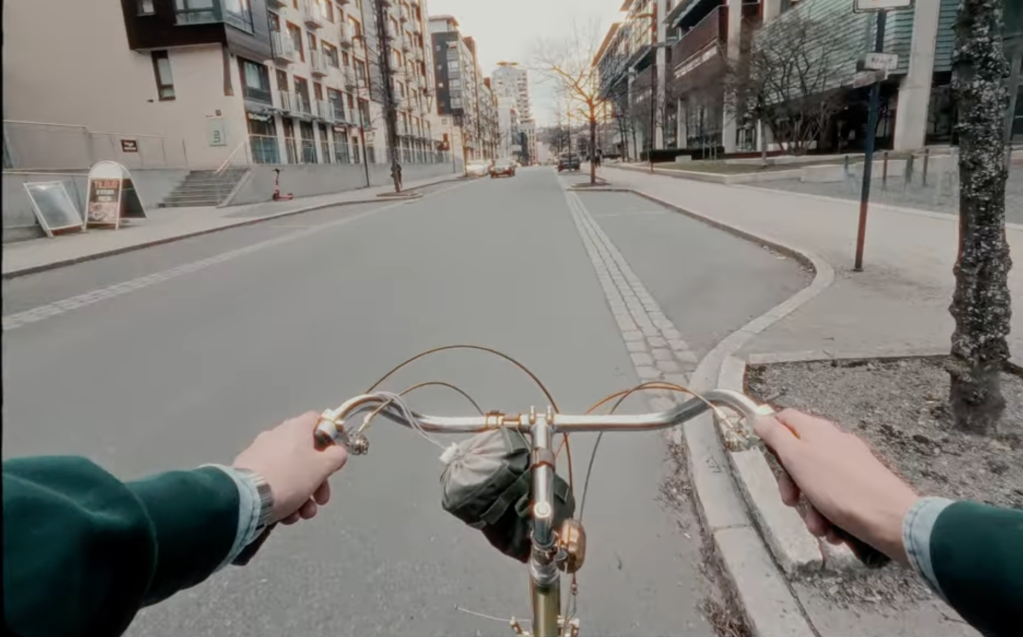
Here are some pictures of the raised bike lanes on Southwest Moody Avenue in 2013.


Comfortable separation between bikes and cars? Yes. Confusing interactions between people walking and biking? Also yes.
Now, here’s what a once-similar section of the same street looked like as of last week.


Like what you see? This might be the most impressive example in the country of how bike infrastructure can benefit when a transit agency sees biking as inherently integrated with its goals.
The new textured green coloring was finished two days before TriMet, the local transit agency, offered its first preview of the new bridge that’s just across the street: a 1,700-foot crossing of the Willamette River that will carry trains, buses, streetcars, and people biking and walking, but no private cars.

Even before this month’s changes, Moody arguably had Portland’s most comfortable bike lanes. But people didn’t seem to respect the big painted circles on the ground indicating where people on bikes and people walking were supposed to go. Part of the reason: uneasy about running a bike lane between the sidewalk and the transit stop, the city and TriMet crossed the bike and pedestrian lanes, flipping the traffic pattern.
The new design, however, handles the transit stops well. As seen in many other cities around the world, including Portland’s west coast peers Seattle and San Francisco, Moody’s bike lanes now run behind the transit shelters while leaving ample space for people to wait at the stop. Markings showing people on bikes where to yield to people who are crossing to get to and from the bus.

TriMet spokesperson Mary Fetsch said the project didn’t come cheap: $310,000 for barely a mile of roadway, paid for almost entirely by the light rail project that also built the bridge. (It certainly helped that TriMet’s $1.5 billion rail line, which was half-funded by the federal government, came in tens of millions of dollars under budget.)
Cost aside, you have to appreciate the results. With this project, Moody emerges as almost certainly Portland’s best street to bike on, and the neighborhood it serves (known as the South Waterfront) has the potential to be one of the country’s most bike-friendly as it continues to develop. By helping to reduce car dependency, these new and improved bike lanes seem certain to be good for transit ridership, too.
You can follow The Green Lane Project on LinkedIn, Twitter and Facebook or sign up for its weekly news digest about protected bike lanes.

Read More:
Streetsblog has migrated to a new comment system. New commenters can register directly in the comments section of any article. Returning commenters: your previous comments and display name have been preserved, but you'll need to reclaim your account by clicking "Forgot your password?" on the sign-in form, entering your email, and following the verification link to set a new password — this is required because passwords could not be carried over during the migration. For questions, contact tips@streetsblog.org.