Why, Robot: Driverless Taxis Spend As Much Time Without Passengers as Normal Taxis, Study Shows
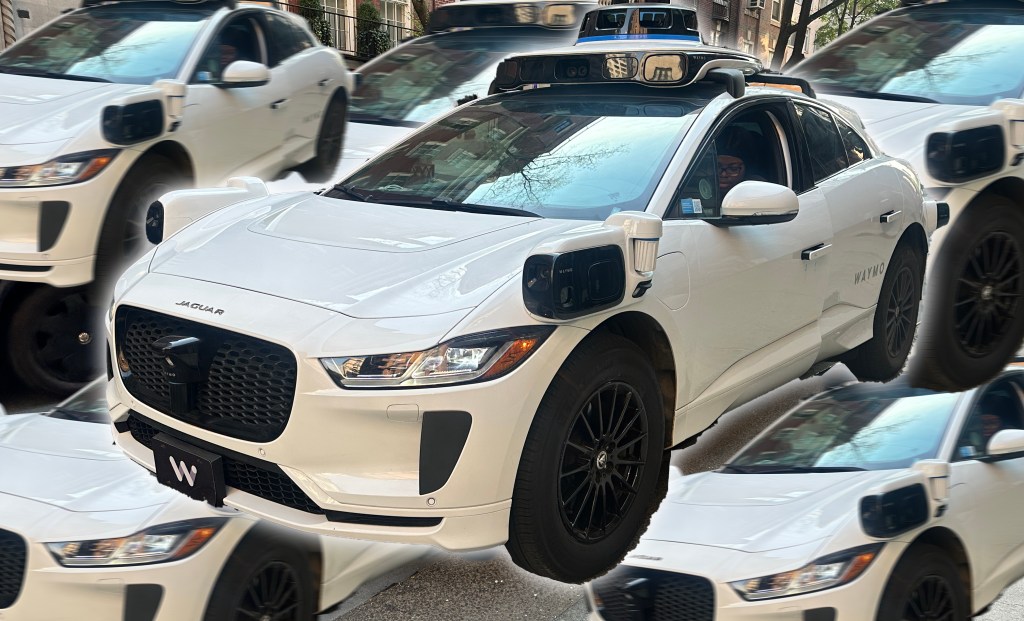
Driverless taxis spend just as much time driving around without a passenger as regular taxis, according to a new study — a finding that reveals a major shortcoming for a technology that boosters say will revolutionize transportation forever.
The study in the journal Transport Findings reveals that robotaxis spend roughly 45 percent of their total mileage without passengers — which is so close to regular taxis that one transportation industry expert feels he’s been lied to.
“I’ve been assured by these industry insiders that deadheading would fall to very low levels with robotaxis, but it’s pretty clear that’s not happening,” said David Zipper, a contributing writer at Bloomberg.
The concern is obvious: Commercial robotaxis are on the rise across the United States. According to the study — “Millions of Trips, “Waymo” Empty Miles: California’s First Thousand Days of Commercial Robotaxi Service” — robotaxi prevalence has grown by an average of 15 percent monthly since they were first introduced in August 2023. That 15 percent is consistent across all measures: trips completed, miles traveled and passengers carried.
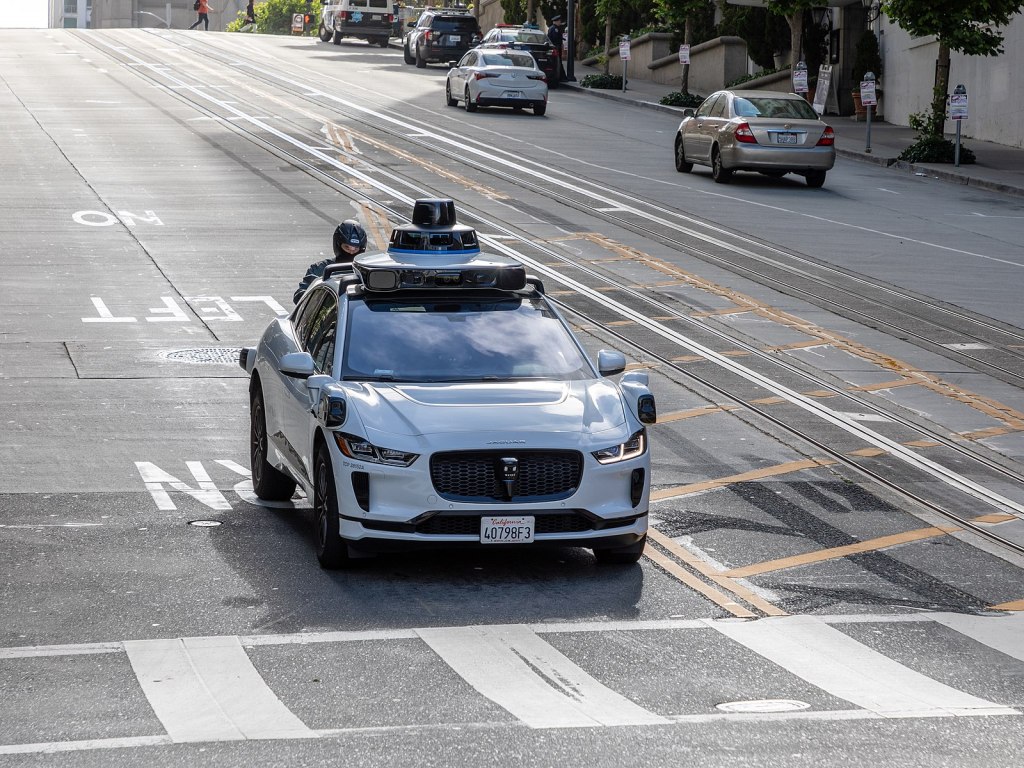
But the potential for robotaxis is also obvious: Unlike traditional taxi companies, which manage individual drivers, robotaxi companies manage fleets of cars. As a result, these companies should be able to program the vehicles’ routes to avoid excessive deadheading. Instead, both traditional ride share and robotaxis travel almost half of their mileage without passengers.
But change is happening … a little. According to the study, robotaxis now spend an average of 18 minutes empty between consecutive passenger trips, down from 28 minutes since 2023, likely due to an expanded fleet size which has allowed for a more efficient distribution of robotaxis, according to the author of the study.
Still, author Awad Abdelhalim, added that a larger fleet means more cars deadheading overall, so “it cancels some of those benefits.”
Awad said he wasn’t surprised by the findings because taxi companies like Waymo are deploying their fleets using the same old methods of offering taxi service — namely by sending cars out of a depot.
“There is quite a bit of deadheading naturally required to distribute vehicles across the service area to be able to serve customers,” said Abdulhalim. He added that traditional ride share has “some ‘natural’ distribution of vehicles based on where drivers are starting from based on home locations.”
Robotaxis also travel without a passenger while waiting to be assigned one, and this measurement has remained steady throughout the course of the study.
“That’s the biggest problem,” said Zipper. It’s unclear exactly what robotaxis are doing during that time, but reporting from San Francisco and other cities where these cars operate suggests that they are, more or less, driving around aimlessly, passengerless.
Robotaxis only operate in select metropolitan areas included San Francisco, the Bay Area and Los Angeles, highly congested areas where deadheading only makes matters worse.
“The presence of empty robotaxis does thicken traffic,” Zipper said. “All of these deadhead miles seem to counteract the safety claims that robotaxi companies have.”
Waymo, the company leading the charge on robotaxis, has claimed — extensively, on its website — that its vehicles will make streets safer.

Read More:
Streetsblog has migrated to a new comment system. New commenters can register directly in the comments section of any article. Returning commenters: your previous comments and display name have been preserved, but you'll need to reclaim your account by clicking "Forgot your password?" on the sign-in form, entering your email, and following the verification link to set a new password — this is required because passwords could not be carried over during the migration. For questions, contact tips@streetsblog.org.