

Wednesday’s Headlines Have Good News and Bad News
Traffic deaths are back down to their pre-pandemic levels, but there is still much work left to be done.
By
Blake Aued
12:01 AM EDT on April 8, 2026
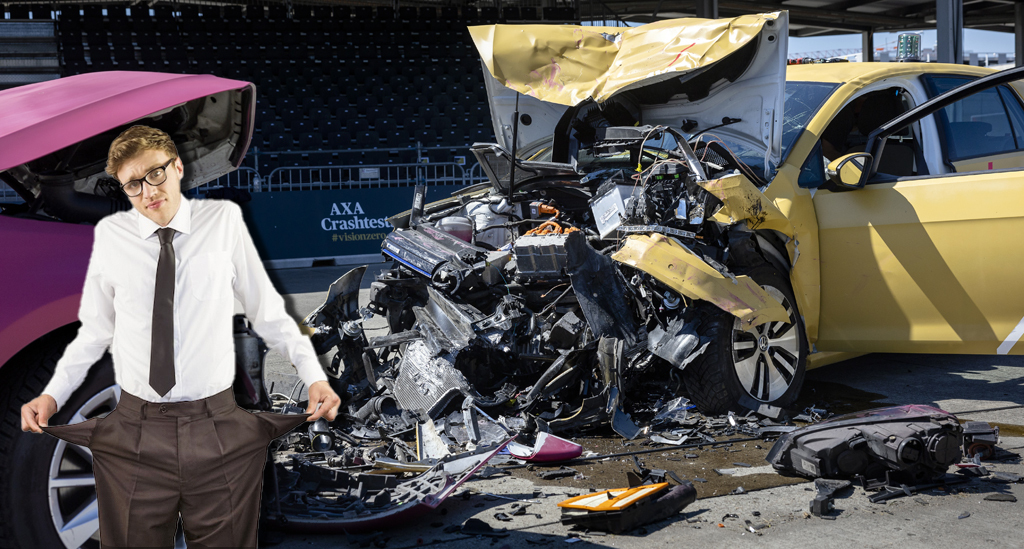
- The good news: Traffic deaths fell by 6.7 percent last year, according to the National Highway Traffic Safety Administration. The bad news: Drivers still killed 36,640 people. (Smart Cities Dive).
- The Governor’s Highway Safety Association, meanwhile, estimates an 11 percent drop in pedestrian deaths for the first half of 2025 — but that still amounts to over 3,000 people killed. For anyone who doesn’t particularly care about human lives, the economic impact was at least $40 billion. (Streetsblog USA)
- If all the SUVs in the world were compared to countries, the People’s Republic of Third-Row Seating would be the fifth-largest emitter of carbon dioxide. (Transport Matters)
- Home Depot’s last-mile delivery problem can’t be solved by robots or the gig economy, so it presents an opportunity to unionize human labor. (Phenomenal World)
- A University of Utah study confirms that tailpipe emissions standards are improving air quality.
- Salt Lake City will allow the demolition of three city-owned buildings to make way for the S-Line streetcar. (Building Salt Lake)
- A nonprofit serving the Atlanta Beltline — a popular walking and biking trail looping that’s been accused of causing gentrification — is on track to exceed its affordable housing goal. (Saporta Report)
- The U.S. DOT has committed $600 million toward replacing the Delaware River Bridge. No word on any potential bike, transit or pedestrian facilities. (Transportation Today)
- Portland created a zero-emissions pilot program downtown that revealed important information about who’s using valuable curb space. (Government Technology)
- A breakdown among Eugene, Oregon bike organizations could lead to the coalition losing their already dilapidated building. (Lookout)
- The Colorado Sun acknowledges that the state’s intercity bus service Bustang is popular and essential, so why question its return on investment purely in the form of fares?
- In the 1960s, we were promised flying cars. Almost 100 before then, we were promised moving sidewalks. What happened? (Popular Science)

Blake Aued has been doing Streetsblog's daily national news digest for years. He's also an Atlanta Braves fan, which enrages his editor in New York.
Read More:
Streetsblog has migrated to a new comment system. New commenters can register directly in the comments section of any article. Returning commenters: your previous comments and display name have been preserved, but you'll need to reclaim your account by clicking "Forgot your password?" on the sign-in form, entering your email, and following the verification link to set a new password — this is required because passwords could not be carried over during the migration. For questions, contact tips@streetsblog.org.
More from Streetsblog USA
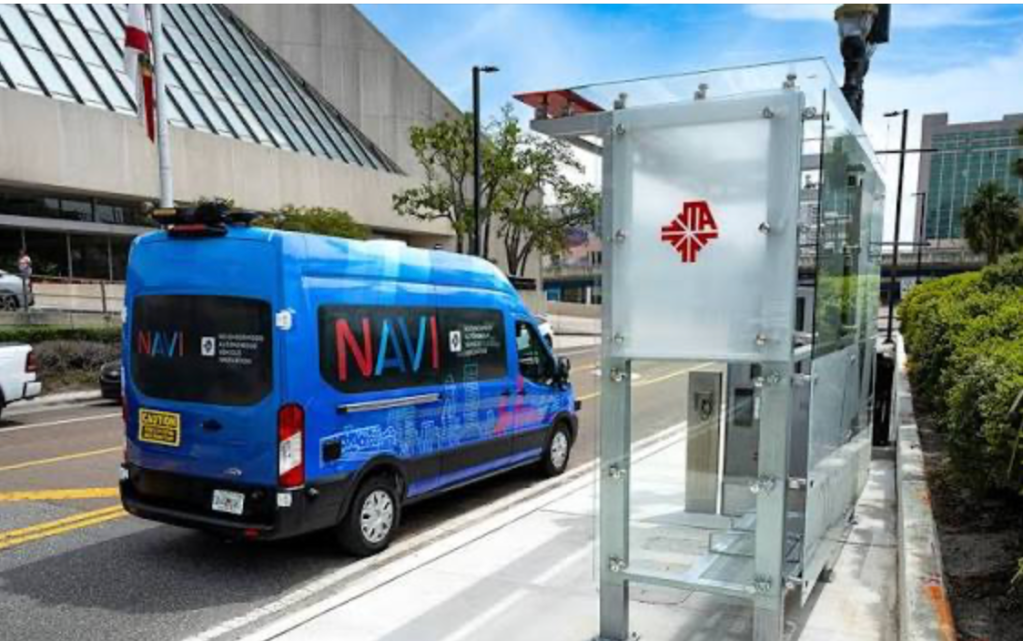
Is America’s ‘First Autonomous Transit System’ Really Dead?
And what should Jacksonville teach us all about the role of technology in our transit future?

October 13, 2026
Why Progressives Don’t Deliver on Federal Transportation Policy
Democrats don’t take their progressive stances into transportation. Beth Osborne unpacks why in the first of this two-part series.

October 13, 2026

Inducing Demand for Tuesday’s Headlines
Just more one more lane, bro. I promise, one more lane will fix it.
October 13, 2026
Monday’s Headlines Take Matters Into Our Own Hands
Our editor-at-large Gersh Kuntzman isn't the only one getting up to criminal mischief.
October 12, 2026

Inside Baseball: Kuntzman To Step Down At Streetsblog; David Meyer To Take Over
Streetsblog's longtime editor will take on new challenges. And so will his successor.

October 9, 2026
