A Few Legal Tweaks Could Unlock A Mother Lode of Housing Near Transit
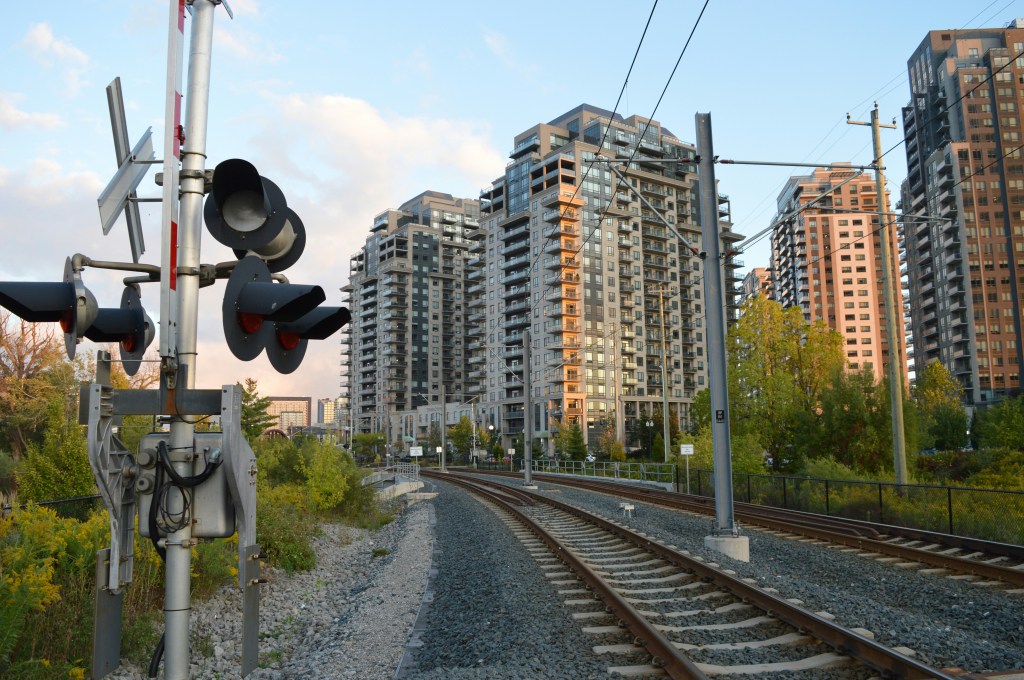
Communities would be allowed to more easily build shelter where they need it most — near the transit lines and multimodal paths — under a new bill that seeks to lessen America’s housing crisis by fixing existing programs.
Known colloquially as the Build HUBS Act — for “Build Housing, Unlock Benefits and Services” — the bill would correct flaws in earlier federal legislation that functionally prevented communities from using funds from two key, low-cost transportation financing programs to help developers access low-interest loans to build transit-oriented development — a move which proponents say could unlock up to 100,000 new units.
Those programs — the Transportation Infrastructure and Finance and Innovation Act or TIFIA, and the Railroad Rehabilitation and Improvement Financing, or RRIF — were expanded by Congress more than a decade ago to support projects that would transform transit infrastructure into true “hubs” where homes, businesses, and services all converge. That’s because lawmakers recognized that the mobility initiatives TIFIA and RIF helped pay for just weren’t worth much if people couldn’t use them to get anywhere — and that transit lines and multimodal paths are unlikely to have many riders if almost no one lives within walking distance.
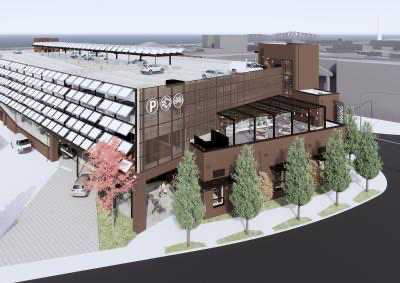
In the decade since, though, neither TIFIA nor RRIF has managed to actually produce any transit-oriented buildings — besides a single project in Mount Vernon, Wash. that was built in 2024. And that was a library that didn’t even increase the national housing stock, which the National Low Income Housing Coalitions estimate is short more than 7.1 million rental homes that are affordable for people below the federal poverty line.
Meanwhile, without the kind of support the Build HUBS Act would provide, many communities have defaulted to car-oriented housing projects that are easier to get off the ground — if they’ve built much new housing at all. And that’s been particularly harmful to the third of U.S. residents who either can’t afford a car, can’t drive due to age or disability, or who otherwise can’t rely on automobiles.
“It’s not enough to make communities more affordable — we must also work to make communities more livable,” said Senator Lisa Blunt Rochester (D–Del.) who co-introduced the legislation. “That’s what the Build HUBS Act does.”
Progressive senators like Blunt Rochester aren’t the only ones who recognize the importance of transit oriented development — or unwinding the red tape that makes it so hard for the federal government to get it built. The BUILD Hubs Act was co-introduced in the House by both Reps. Laura Friedman (D–Calif.) and Mike Lawler (R–N.Y.), and it was co-sponsored by freshman Sen. John Curtis, a Republican who represents the blood-red state of Utah.
“Utah is growing quickly, and that growth must be paired with smart, coordinated transportation planning and more attainable housing,” said Curtis. “The Build HUBS Act helps us maximize transportation investments, makes better use of public land, and empowers local leaders to use existing infrastructure programs more effectively to build housing where it matters and makes sense.”
Supporters of the new legislation on both sides of the aisle argue that right now, both TIFIA and RRIF tend to treat transit-oriented development projects much the same way they treat major transportation projects, complete with lengthy environmental reviews before land is even acquired, investor-grade credit rating requirements, and steep bureaucratic hurdles to include new transit-facing buildings in long-term regional transportation plans.
All those things might make sense for the massive highway bridges and rail lines that those programs have traditionally been used to build, but supporters say they’re way too much to ask of developers trying to put up, say, an apartment building next to a bus station — especially when they’re doing it in the middle of a housing crunch that already makes construction challenging.
The Build HUBs Act would slash much of that red tape, while also taking the simple but radical step of clarifying what “transit-oriented development” actually means – and making it clear that it includes any development within a half-mile of bus rapid transit or a multimodal path, in addition to traditional bus and train stops.
It would also tag in the Department of Housing and Urban Development to administer the program, give even better rates to projects that offer more affordable units, and introduce “a delegated lending model to retain federal oversight while adopting private sector efficiency and expertise,” rather than trying to fit a square peg (bureaucratic procedures designed for transportation financing) into a round hole (housing projects).
That won’t be a silver bullet for the housing crisis, but it will help create a virtuous cycle that strengthens transit ridership, spurs local economies, and eventually, attracts even more housing as America grows more of the dense, walkable neighborhoods that are already in hot demand.
“For too long, it has been too hard to build affordable homes in the locations where people want to live and work, especially near transit,” said Alecia Hill, Chair of LOCUS, a national coalition of real estate developers and investors advocating for sustainable, equitable, and walkable development. “By reforming the RRIF and TIFIA programs, we believe the Build HUBS Act will unlock additional financing and cut red tape to deliver more in-demand housing in well-connected neighborhoods, ensuring more people and businesses can share in the benefits of transit-connected communities.”
To contact your representatives about co-sponsoring the Build HUBS Act, use this tool from Smart Growth America.

Read More:
Streetsblog has migrated to a new comment system. New commenters can register directly in the comments section of any article. Returning commenters: your previous comments and display name have been preserved, but you'll need to reclaim your account by clicking "Forgot your password?" on the sign-in form, entering your email, and following the verification link to set a new password — this is required because passwords could not be carried over during the migration. For questions, contact tips@streetsblog.org.