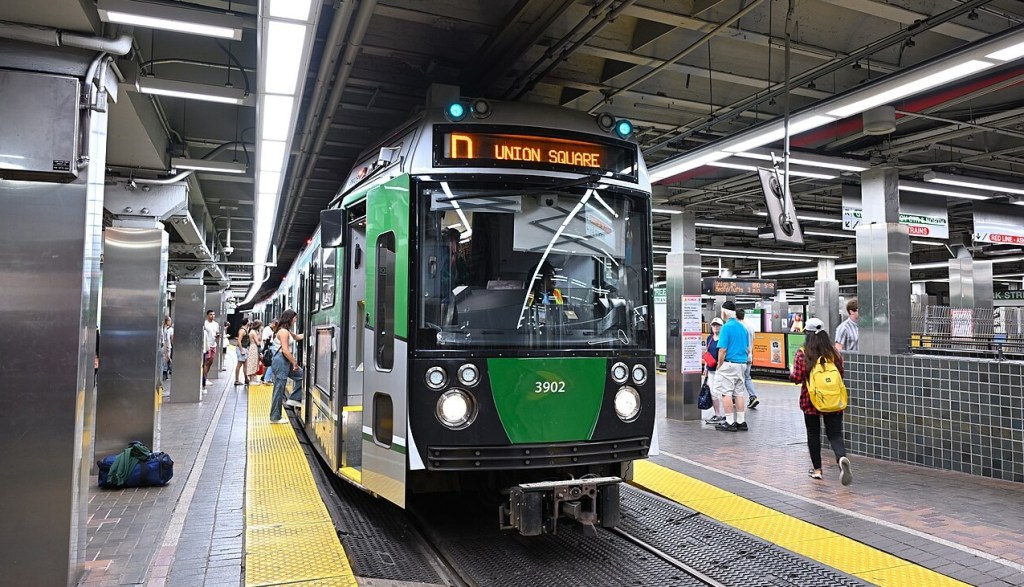
Thursday’s Headlines Can’t Afford a Car
High car prices (and loan default rates) are a sign of a K-shaped economy where the wealthy thrive and the lower classes struggle, CNBC reports.
By
Blake Aued
12:01 AM EDT on October 16, 2025
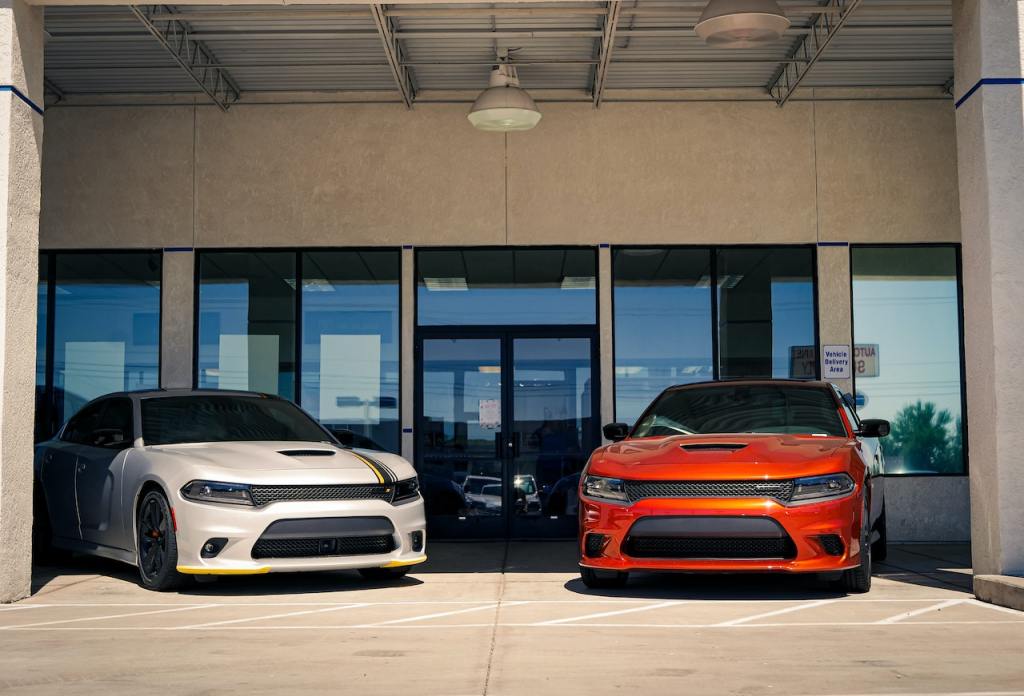
- Cars are becoming more and more of a financial burden, with the average new car price topping $50,000 last month for the first time. Americans owe a total of $1.7 trillion on car loans. Almost a fifth of borrowers are paying $1,000 or more per month, and default rates are historically high. (CNBC)
- Brian Potter examined data for all the factors that could be blamed for the past decade’s spike in pedestrian deaths, and comes to the conclusion that large SUVs are the primary culprit. (Construction Physics)
- Blue states are warning that a patchwork of regulations will result if the EPA stops regulating tailpipe emissions through the Clean Air Act. (Politico Pro; paywall)
- Oregon Gov. Tina Kopek still hasn’t signed the newly passed transportation funding bill, which is smart because it gives Republicans less time to try to overturn it. (Oregon Public Broadcasting)
- U.S. Highway 19 in Florida is a prime example of how federal policy leads to expensive and dangerous roadways. (Strong Towns)
- Speeding and injuries are down in the 10 years since Austin started its Vision Zero program, but traffic deaths remain flat because two-thirds of them happen on roads controlled by the Texas DOT. (Monitor)
- As in North Carolina’s Research Triangle region, confusion can lead to drivers’ perception of a parking shortage even in places with plenty of it. (Deleted Scenes)
- Sound Transit is proposing an overnight express bus between Seattle and Everett. Bars close at 2 a.m., but light rail stops running an hour earlier. (Snohomish Tribune)
- Twin Cities Metro Transit is testing trains on the Green Line/Southwest extension. (Fox 9)
- The Kansas City streetcar’s Main Street Extension will open on time Oct. 24 and under its $350 million budget. (KSHB)
- Asian cities often lack trams in comparison to the U.S. because their high density means there’s not much use for transit in between buses and light rail. (Next Metro)
- Vancouver’s density and frequency of service helped TransLink bounce back from the pandemic faster than most other North American transit systems. (CityLab)

Blake Aued has been doing Streetsblog's daily national news digest for years. He's also an Atlanta Braves fan, which enrages his editor in New York.
Read More:
Streetsblog has migrated to a new comment system. New commenters can register directly in the comments section of any article. Returning commenters: your previous comments and display name have been preserved, but you'll need to reclaim your account by clicking "Forgot your password?" on the sign-in form, entering your email, and following the verification link to set a new password — this is required because passwords could not be carried over during the migration. For questions, contact tips@streetsblog.org.
More from Streetsblog USA
Talking Headways Podcast: The Long Road to Real Transit Progress
Jeff Wood and Reece Martin discuss China’s lessons for American infrastructure.

October 8, 2026

Thursday’s Headlines Are Another Front in the Culture War
David Zipper explains how transportation, once an issue with broad consensus, became politically polarized.
October 8, 2026

Does the ‘Week Without Driving’ Give Car-Free Living A Bad Rap?
Nope; automobility does that! But there's more we can do to highlight the benefits of active and shared transportation, and demand even better for people outside vehicles.

October 8, 2026
How Your City Can Pass Its Federal Transit Equity Test and Still Fail Riders
"A system that looks fair on paper only because it pushed everyone else into a car is not equitable."

October 8, 2026

Wednesday’s Headlines Come Not to Bury Caesar
Why is public transportation the only thing Donald Trump doesn't want to build?
October 7, 2026