

Tuesday’s Headlines Pick the Low-Hanging Fruit
Greg Shill argues that if a transformative road redesign isn't possible, it's time to talk about second-best strategies.
By
Blake Aued
12:01 AM EDT on May 7, 2024
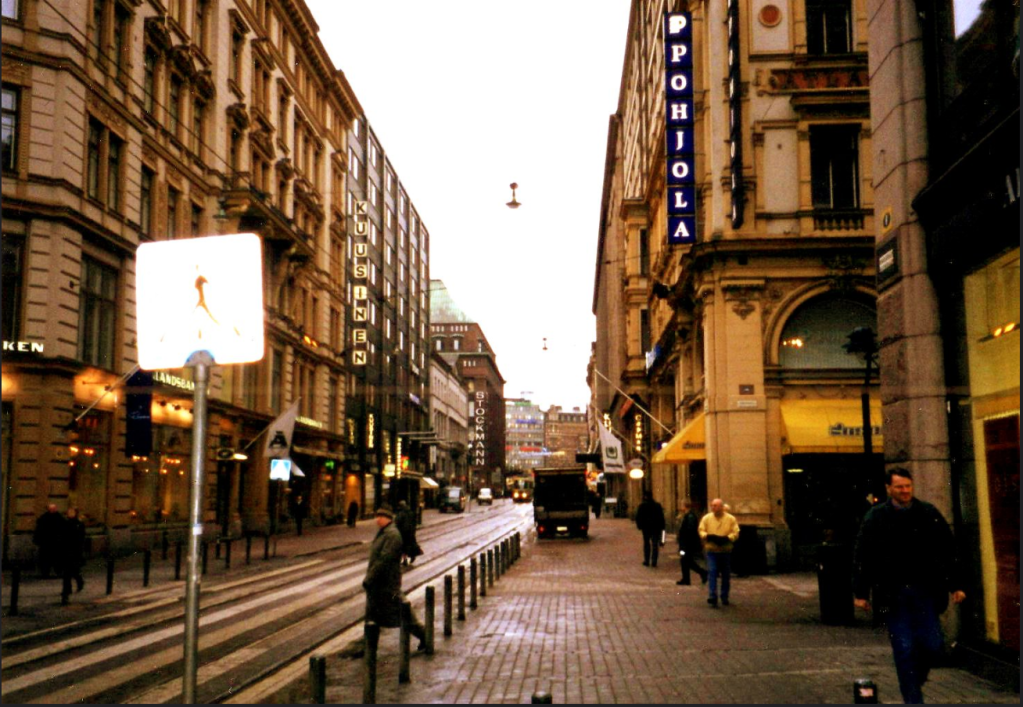
- Rather than try for ambitious but unreachable reforms, transportation safety advocates should sidestep obstacles and go for easy wins, even if they’re not the best solution, one law professor argues. (CityLab)
- The Urbanist embarks on a four-part series about using land use policy to fight climate change.
- Mixed-use development isn’t enough to make a neighborhood walkable. The businesses have to be “useful” ones that provide daily necessities. (Next City)
- The Eno Center for Transportation quoted Streetsblog in a piece about how e-bikes are saving financially precarious bikeshares.
- New York City’s much-watched congestion pricing program could generate $15 billion to modernize aging transit infrastructure — if lawsuits don’t derail it. (NY Times)
- With six new appointees out of nine, the Houston Metro’s board of directors now seems intent on scrapping three voter-approved bus rapid transit lines. (Houston Public Media)
- Combining Chicago’s transit agencies seems like a no-brainer, but the Tribune editorial board thinks it’s more complicated than that.
- A California bill provides a funding mechanism for freeway caps to “stitch” back together minority communities divided by freeways. (Axios)
- Having thus far failed to achieve Vision Zero, San Francisco is now trying to solve the problem of traffic deaths with more cops. (SFBay)
- The Colorado Senate watered down a bill eliminating minimum parking requirements in many areas. (Newsline)
- A second Amtrak line and the opening of a train store points to a bright future for St. Paul’s Union Depot. (Star Tribune)
- Sri Lanka agreed to resume work on a $1.5 billion Japanese-funded light rail project, a sign it’s moving away from alliance with China. (Nikkei Asia)
- Sadiq Khan fended off a motorist-focused challenger to win a third term as London mayor. (Forbes)

Blake Aued has been doing Streetsblog's daily national news digest for years. He's also an Atlanta Braves fan, which enrages his editor in New York.
Read More:
Streetsblog has migrated to a new comment system. New commenters can register directly in the comments section of any article. Returning commenters: your previous comments and display name have been preserved, but you'll need to reclaim your account by clicking "Forgot your password?" on the sign-in form, entering your email, and following the verification link to set a new password — this is required because passwords could not be carried over during the migration. For questions, contact tips@streetsblog.org.
More from Streetsblog USA
Study: The Missing Ingredient in the Fight To End Car Crash Deaths is… Fewer Cars
The common denominator in every car crash is a car. So why don't we talk about it?

October 27, 2026

Op-Ed: Toronto’s Bike Lane Fight Should Be a Wake Up Call for the US, Too
The people of Toronto have shown up big to protect their bike lanes from removal. Will Americans stand with them?

October 27, 2026
Six Days on the Road and Tuesday’s Headlines May Not Make It Home Tonight
Jalopnik points out that there are certain vehicles that average people have no business driving.
October 27, 2026

Why Deadly, Illegal E-Motos Are On The Rise – And Why E-Bikes Are Being Blamed When They Crash
...and what we can do to protect our kids *and* the e-bike revolution.
October 26, 2026
Monday’s Great Smokey Headlines
While other countries work to reduce greenhouse gas emissions, the U.S. is moving in the opposite direction.
October 26, 2026
