

Monday’s Headlines Have Sticker Shock
Even if they wanted to, most Americans couldn't afford to buy a new car these days. But the ones who can will opt for the most dangerous.
By
Blake Aued
12:00 AM EDT on April 10, 2023
- A new car is now a luxury item by definition: The average price has risen more than $10,000 to $49,500 in just the past three years, with just five percent of sales clocking in at less than $25,000, an affordable price point for middle-class consumers (The Hill). With interest rates rising, the average monthly payment is now $730, up $74 over last year, and nearly 17 percent topped $1,000 (Edmunds).
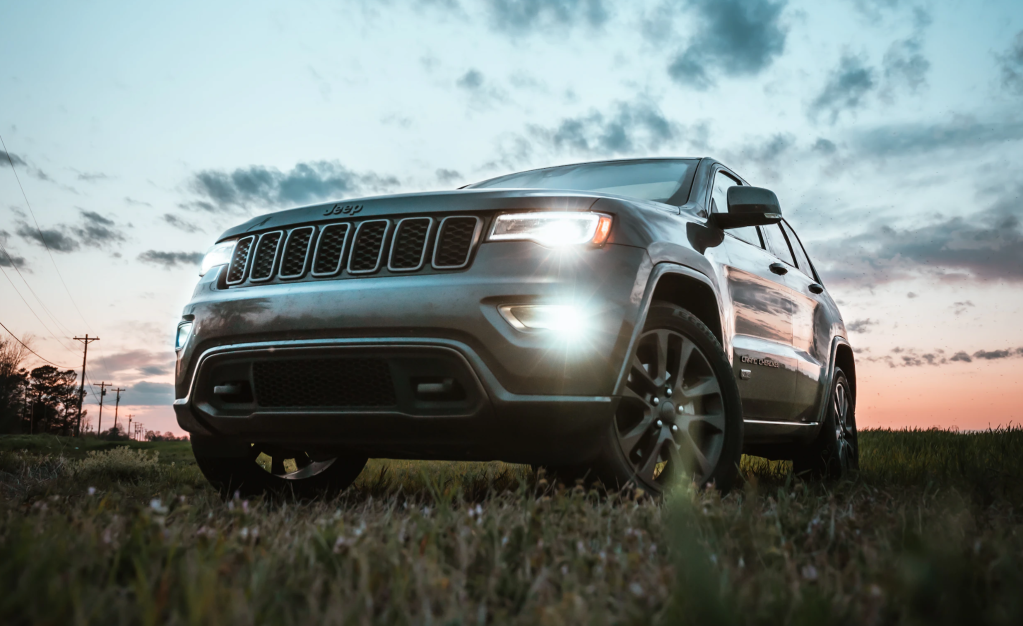
- Trucks, including SUVs and crossovers, now dominate American roads, thanks to abnormally low gas prices, lax regulations and lots of money automakers spent on lobbying and advertising. (Washington Post)
- Buses are faster than streetcars, but the debate over which mode is better is more complicated than that. (Greater Greater Washington)
- Lyft is expanding its “green mode” option to 14 new cities, offering customers the option of hybrid or electric cars (Smart Cities Dive). Of course, the real “green mode” would be to walk, bike or take transit, instead of riding in a car by yourself.
- Crime in Chicago is up 62 percent since before the pandemic, and farebox revenue is down 51 percent. The head of the Chicago Transit Authority says “there’s no question” those trends are related (City Lab). Newly elected Mayor Brandon Johnson faces the challenge of reducing crime without increasing police presence on transit by devoting more resources to services (Bolts).
- Washington, D.C. Mayor Muriel Bowser’s proposed budget includes hundreds of new traffic enforcement cameras, but the millions of dollars in revenue generated would go into the general fund rather than specifically to street safety. (DCist)
- Houston’s proposed University Corridor bus rapid transit line could go underground. (Chronicle)
- A Fresno lawsuit contends that a $105 million Highway 99 construction project will lead to more pollution. (ABC 30)
- Political gridlock in Seattle could cost the city a federal grant to connect two existing streetcar lines. (Axios)
- Missoula is joining the ranks of cities that are eliminating parking mandates near transit stops. (KPAX)
- Cincinnati transportation officials may want to duck when they see the response to their new ad campaign. (Fox 19)

Blake Aued has been doing Streetsblog's daily national news digest for years. He's also an Atlanta Braves fan, which enrages his editor in New York.
Read More:
Streetsblog has migrated to a new comment system. New commenters can register directly in the comments section of any article. Returning commenters: your previous comments and display name have been preserved, but you'll need to reclaim your account by clicking "Forgot your password?" on the sign-in form, entering your email, and following the verification link to set a new password — this is required because passwords could not be carried over during the migration. For questions, contact tips@streetsblog.org.
More from Streetsblog USA
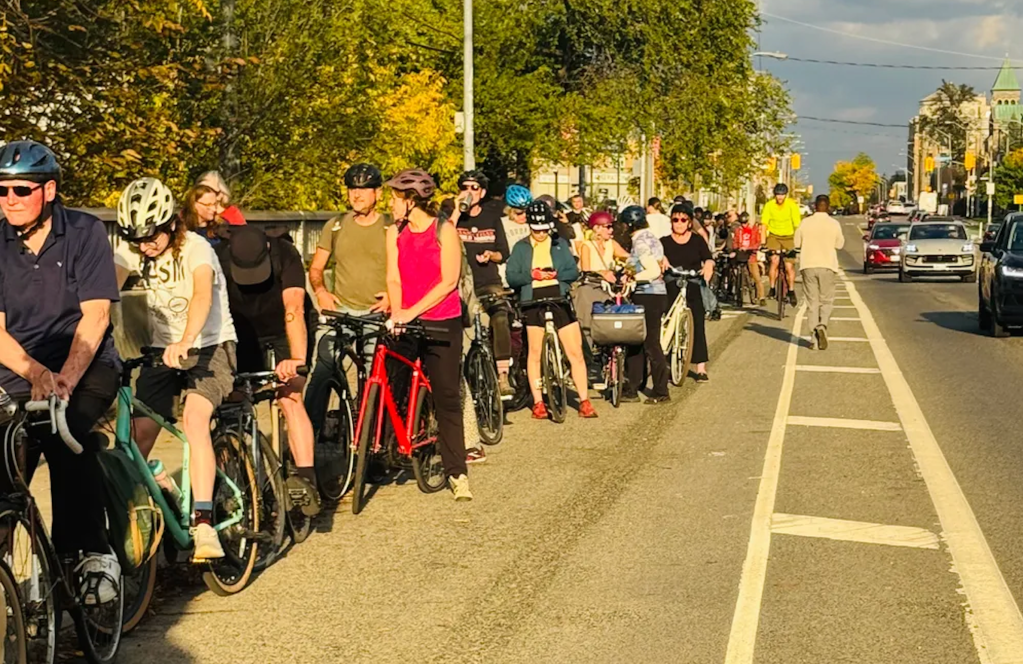
‘Premeditated Road Violence’: Toronto Protestors Block Bike Lane Removal
Toronto advocates are putting their bodies on the line to protect a bike lane the province wants to rip out — and and to fight a wave of anti-bike lane sentiment that this writer warns is sweeping the whole continent.

October 21, 2026
Take a Risk on Wednesday’s Headlines
Transit agencies that bet on high diesel costs are reaping rewards, but the strategy doesn't always work out.
October 21, 2026
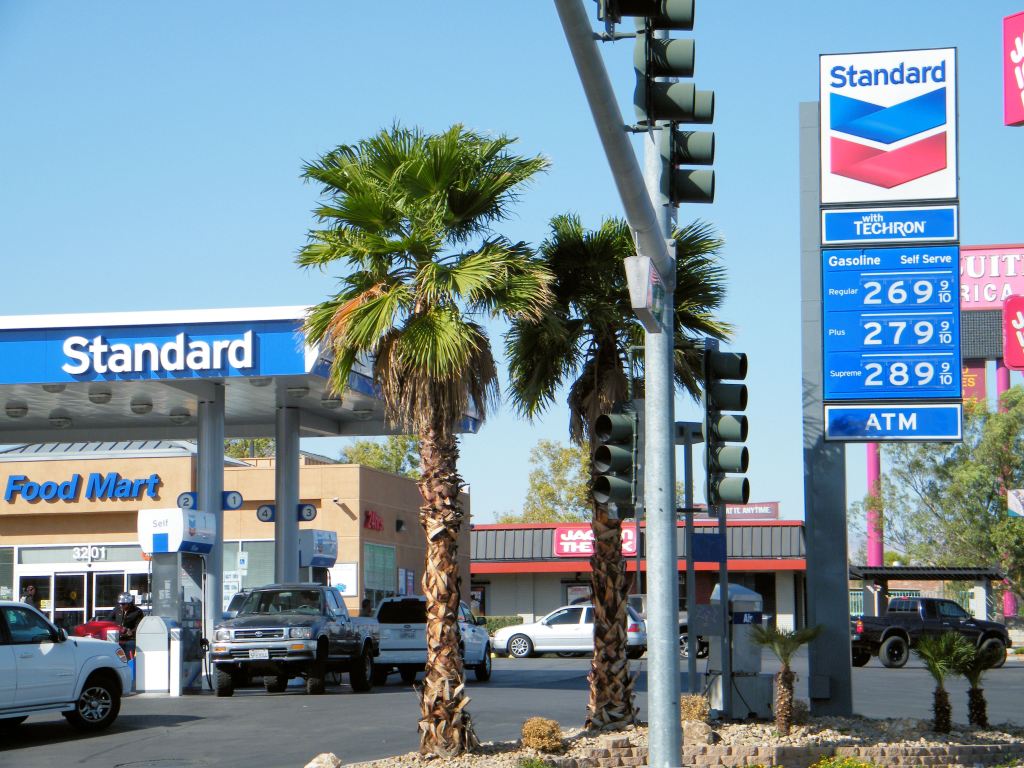
Why US Roads Are Full of SUVs and Trucks, Part II
Yesterday, we looked at how SUVs and pick-ups captured the new car market. Today, let's talk about how they captured the used car market as well.

October 21, 2026
When Are Parking Debates Just A Smokescreen for Hate?
A new paper finds that mosques are more likely to face pushback over parking than other houses of worship. What should planners do about it?

October 20, 2026

Tuesday’s Headlines Do the Robot
Cities and states are filling the void, but the feds really need to step in to set rules for autonomous vehicles.
October 20, 2026
