

Tuesday’s Headlines
With transit agencies in the red, will Congress step up? Ray LaHood thinks so. That story and more are a click away.
By
Blake Aued
12:01 AM EDT on September 1, 2020
- Former transportation secretary Ray LaHood predicts that Congress will move forward on a bipartisan transit funding bill (Axios). And just in time for the D.C. Metro, which is losing $2 million a day and considering serious cuts just a week after restoring nearly full service (Washington Post).
- The survival of private bus companies that carry 10 million children to school is threatened by the pandemic, which has many students learning from home. They’ve been left out of federal relief packages and are asking for $10 billion in emergency aid. (New York Times)
- Uber says it will be more transparent about safety information on self-driving cars after the National Transportation Safety Board partially blamed the company for a 2018 crash in Tempe that killed a woman crossing the street. (Bloomberg Law)
- People are nervous about autonomous vehicles but are willing to give them a try. (Mobility Lab)
- Despite the various and sundry “infrastructure weeks,” President Trump’s promise to invest $1 trillion never came to fruition. (NBC News)
- Delays on the Gateway tunnel project underneath the Hudson River have raised the cost by $275 million. (New Jersey Herald)
- The lack of gridlock on San Diego freeways despite more people getting back in their cars shows that, in normal times, putting just 10 percent of drivers on public transit could extend road capacity for 100 years. (Pacific)
- A new transportation authority in central Virginia will build bus rapid transit and pedestrian and bike infrastructure, and also, unfortunately, widen roads using new sources of tax revenue. (Richmond Times-Dispatch)
- A Cleveland city council proposal would replace its existing Complete Streets ordinance with one with more teeth. (News 5)
- Sacramento will reveal plans Wednesday for a new multimodal transit hub downtown. (KCRA)
- Kansas City will stop putting people in jail for unpaid parking tickets. (KTVO)
- Everything’s bigger in Texas, including the freeway interchanges. One in Houston is the same size as Siena, Italy, which has a population of 30,000 residents (Texas Monthly). The article also has some interesting info about how the Cold War influenced sprawl.

Blake Aued has been doing Streetsblog's daily national news digest for years. He's also an Atlanta Braves fan, which enrages his editor in New York.
Read More:
Streetsblog has migrated to a new comment system. New commenters can register directly in the comments section of any article. Returning commenters: your previous comments and display name have been preserved, but you'll need to reclaim your account by clicking "Forgot your password?" on the sign-in form, entering your email, and following the verification link to set a new password — this is required because passwords could not be carried over during the migration. For questions, contact tips@streetsblog.org.
More from Streetsblog USA
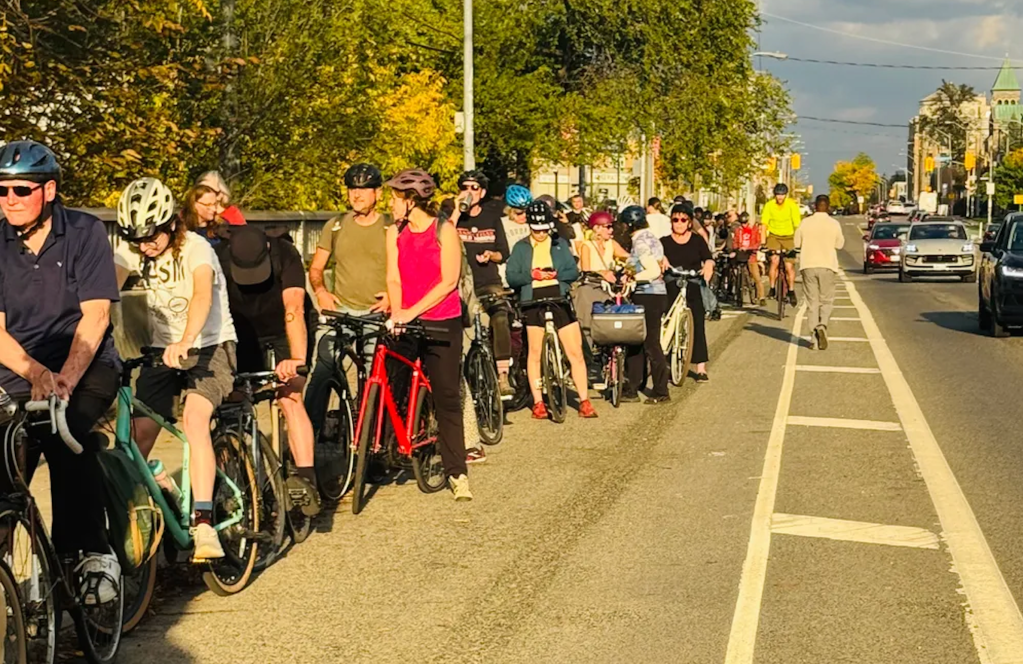
‘Premeditated Road Violence’: Toronto Protestors Block Bike Lane Removal
Toronto advocates are putting their bodies on the line to protect a bike lane the province wants to rip out — and and to fight a wave of anti-bike lane sentiment that this writer warns is sweeping the whole continent.

October 21, 2026
Take a Risk on Wednesday’s Headlines
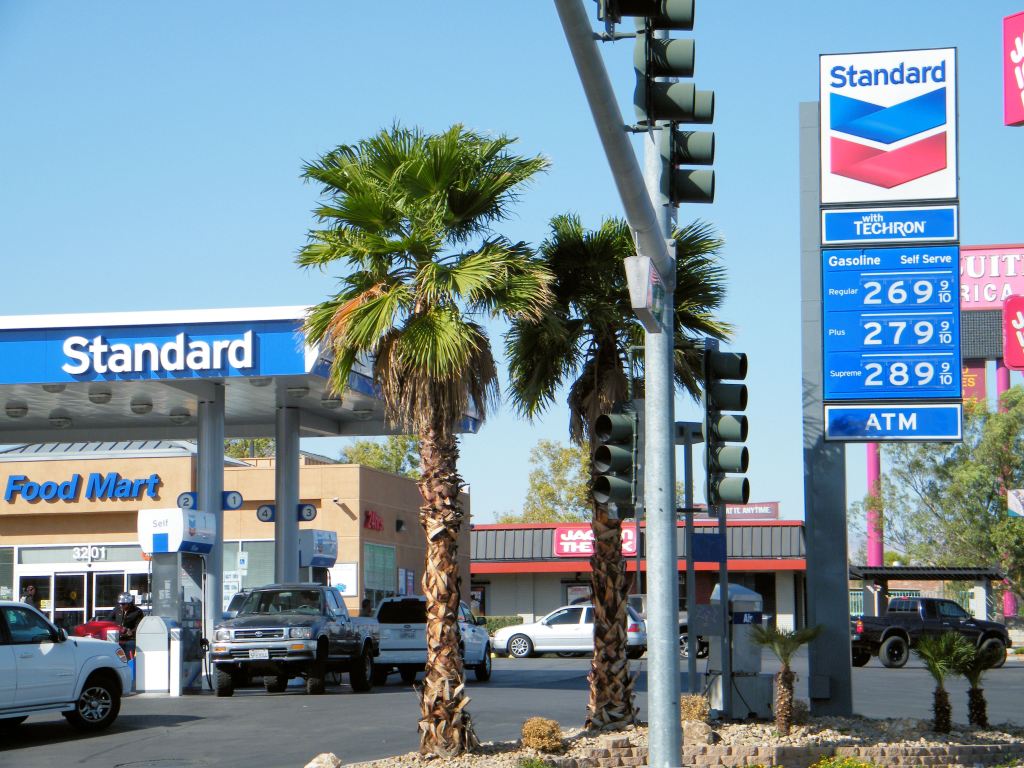
Transit agencies that bet on high diesel costs are reaping rewards, but the strategy doesn't always work out.
October 21, 2026
Why US Roads Are Full of SUVs and Trucks, Part II
Yesterday, we looked at how SUVs and pick-ups captured the new car market. Today, let's talk about how they captured the used car market as well.

October 21, 2026
When Are Parking Debates Just A Smokescreen for Hate?
A new paper finds that mosques are more likely to face pushback over parking than other houses of worship. What should planners do about it?

October 20, 2026

Tuesday’s Headlines Do the Robot
Cities and states are filling the void, but the feds really need to step in to set rules for autonomous vehicles.
October 20, 2026
