Monday’s Headlines From Around the Nation
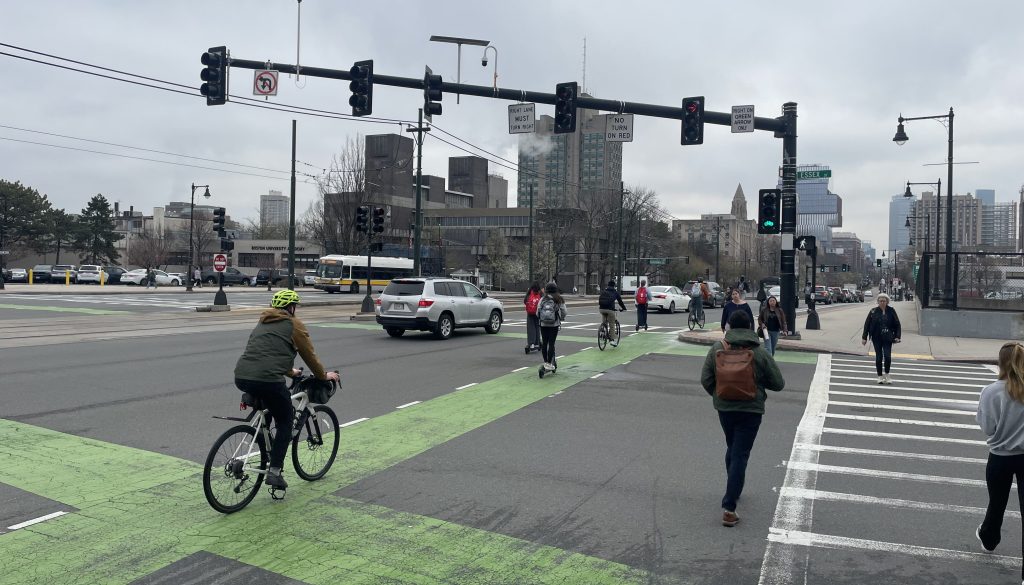
Look, we love our country, but Europe is eating our lunch on livable streets. That, plus the rest of the day's news — just one click away.
By
Blake Aued
12:01 AM EDT on May 4, 2020
- Oil prices are plummeting, pollution is declining, congestion is disappearing — cities like their virtually car-free streets during coronavirus lockdowns, and many are planning to keep them that way when they end. (BBC)
- European cities like Brussels and Paris are looking to adopt the bike-friendly Dutch model for people to get around post-coronavirus (Politico). The UK’s transportation secretary is issuing emergency funding for pop-up bike lanes (Forbes). France is even paying people 50 euros each for bike repairs (New York Times).
- New York City’s Uber drivers are in a precarious spot, balancing health risks and disappearing fares with bills, families to support and uncertain access to benefits. (New Yorker)
- Black Americans make up 30 percent of bus drivers and other essential workers who often use transit, putting them particularly at risk for COVID-19. (Sierra)
- Remember that the big layoffs at Uber and Lyft don’t include millions of drivers who can’t find any work and aren’t included in the numbers because they’re technically contractors, not employees. (Observer)
- Los Angeles is stopping neighborhoods from closing streets to cars and opening them up to pedestrians and cyclists. (L.A. Times)
- Dallas’s transit agency is preparing for increased ridership as Texans start going back to work (CBS DFW). In the bigger picture, the quarantine is an opportunity to make Dallas more walkable (Morning News).
- A planned new highway in Orlando will do what new highways always do: destroy wilderness and encourage sprawl without solving the problem of congestion. (Sentinel)
- Recent protests calling to “reopen” Colorado have Denver transit officials scared to require riders to wear masks. (Colorado Politics)
- Want restaurants to reopen? Let them put tables in the parking lot. (Slate)

Blake Aued has been doing Streetsblog's daily national news digest for years. He's also an Atlanta Braves fan, which enrages his editor in New York.
Read More:
Streetsblog has migrated to a new comment system. New commenters can register directly in the comments section of any article. Returning commenters: your previous comments and display name have been preserved, but you'll need to reclaim your account by clicking "Forgot your password?" on the sign-in form, entering your email, and following the verification link to set a new password — this is required because passwords could not be carried over during the migration. For questions, contact tips@streetsblog.org.
More from Streetsblog USA
Opinion: The Case For Letting An Awful Urban Highway Fail
The same activism that once saved a New York City neighborhood could bring down the Brooklyn-Queens Expressway.

July 1, 2026
Wednesday’s Headlines Brake Out
Look, ma, no hands is about to become look, ma, no brakes.
July 1, 2026
Streetsblog LA Honored At Press Club Awards
Streetsblog team members were finalists for nine different awards for calendar year 2025 reporting, and placed second or third in six categories.

July 1, 2026
The Explainer: Everything You Need To Know About President Trump’s Penn Station Renovation Scheme
It's hard to keep all these trains of thought on the right track. Fortunately for you, The Explainer is back.

June 30, 2026

So, How Is ‘Vision Zero’ Doing in Beantown?
A new report singles out a Boston suburb, where there have been no fatal crashes since 2022.

June 30, 2026