

Wednesday’s Headlines
“Green bonds” to pay for things like better transit infrastructure and flood control are one way cities can combat climate change. (Public Source) Uber pulled its JUMP e-bikes from Atlanta and San Diego last month, which could be a sign that the end is nigh for dockless bike-shares. (Outside) Cincinnati residents will vote next year … Continued
By
Blake Aued
1:01 AM EDT on October 2, 2019
- “Green bonds” to pay for things like better transit infrastructure and flood control are one way cities can combat climate change. (Public Source)
- Uber pulled its JUMP e-bikes from Atlanta and San Diego last month, which could be a sign that the end is nigh for dockless bike-shares. (Outside)
- Cincinnati residents will vote next year on a sales tax that would raise $100 million per year for transit — potentially the largest transit investment in city history. One catch: The money can’t be spent on Cincinnati’s embattled streetcar. (Enquirer)
- Texas Central has awarded a $14-billion contract to build the world’s first privately financed high-speed passenger rail line, connecting Houston and Dallas (Houston Chronicle). Meanwhile, Dallas broke ground on the new Silver Line connecting the airport and nearby Plano (Railway Gazette).
- The Federal Transit Administration looks favorably on, but hasn’t approved, plans to double-track and extend northern Indiana’s South Shore rail line. (Chicago Tribune)
- San Francisco is placing boulders on sidewalks in an effort to drive off drug dealers and the homeless, and upset neighbors keep rolling them into the street (Chronicle). The city denies knowing who put them there in the first place, but keeps moving the boulders from the street back onto the sidewalk (NBC Bay Area).
- The Minnesota Post answers reader questions about speed limits on park trails, bike sharing in St. Paul, the decline of transit ridership and more.
- Sacramento has starting letting all K-12 students ride buses and light rail for free. (CBS 13)
- The D.C. Circulator now costs $1 to ride, but some city officials are looking at ways to make it free again. (Washington Times)
- Entitled Alexandria drivers are losing it over Complete Streets because they’re finally being asked to make some sacrifices. (ALX Now)
- Ames, Iowa is ignoring a Federal Highway Administration order to removed rainbow-colored crosswalks (Tribune). Good for them, because as Streetsblog reported, the regulation doesn’t make any sense.
- And, finally, Twitter user @ih8stevensinger and friends found a much better use for Philadelphia’s Ben Franklin Bridge than carrying a bunch of cars.

Blake Aued has been doing Streetsblog's daily national news digest for years. He's also an Atlanta Braves fan, which enrages his editor in New York.
Read More:
Streetsblog has migrated to a new comment system. New commenters can register directly in the comments section of any article. Returning commenters: your previous comments and display name have been preserved, but you'll need to reclaim your account by clicking "Forgot your password?" on the sign-in form, entering your email, and following the verification link to set a new password — this is required because passwords could not be carried over during the migration. For questions, contact tips@streetsblog.org.
More from Streetsblog USA
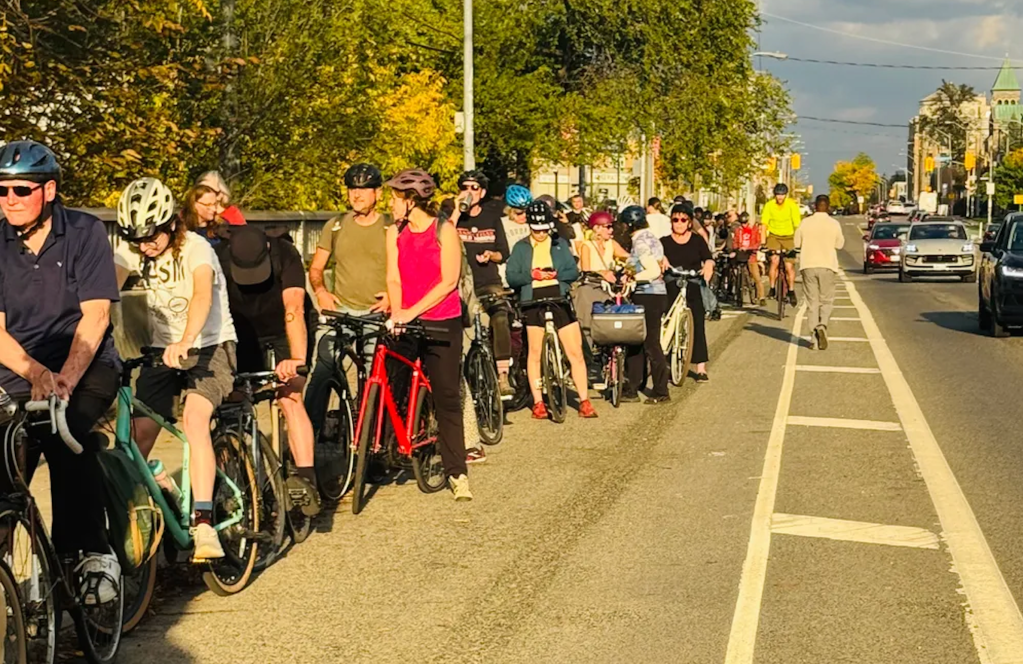
‘Premeditated Road Violence’: Toronto Protestors Block Bike Lane Removal
Toronto advocates are putting their bodies on the line to protect a bike lane the province wants to rip out — and and to fight a wave of anti-bike lane sentiment that this writer warns is sweeping the whole continent.

October 21, 2026
Take a Risk on Wednesday’s Headlines
Transit agencies that bet on high diesel costs are reaping rewards, but the strategy doesn't always work out.
October 21, 2026
Why US Roads Are Full of SUVs and Trucks, Part II
Yesterday, we looked at how SUVs and pick-ups captured the new car market. Today, let's talk about how they captured the used car market as well.

October 21, 2026
When Are Parking Debates Just A Smokescreen for Hate?
A new paper finds that mosques are more likely to face pushback over parking than other houses of worship. What should planners do about it?

October 20, 2026

Tuesday’s Headlines Do the Robot
Cities and states are filling the void, but the feds really need to step in to set rules for autonomous vehicles.
October 20, 2026
