

Trump Admin Snuffs Out Climate Progress at U.S. DOT
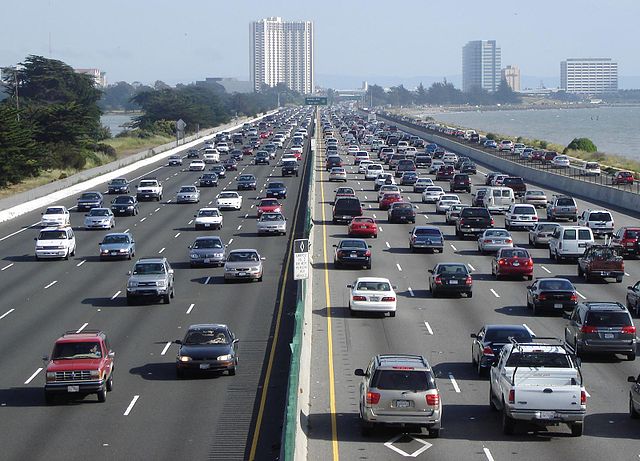
At the tail end of the Obama administration, U.S. DOT enacted a new rule to encourage transportation policies that reduce the threat of catastrophic climate change. For the first time, state and regional transportation agencies would have to set targets to reduce the carbon impact of their policies, and to track progress toward those goals.
The rule was supposed to make transportation agencies more accountable for the carbon emissions caused by highway expansions — and to develop plans to reduce the climate impact of transportation. With the transportation sector accounting for more U.S. greenhouse gas emissions than electric power, it was a timely intervention. And now the Trump administration and its militant climate denialism have snuffed it out.
The Federal Highway Administration announced last week that the carbon emissions rule has been revoked, even though public comments overwhelmingly supported maintaining the reporting requirements.
In its announcement, U.S. DOT cited the cost of administering the rule as the reason to discontinue it [PDF]. But the estimated costs were negligible: about $1.7 million annually, across the whole country, according to the FHWA’s own analysis.
The Natural Resources Defense Council is considering a court challenge to U.S. DOT’s decision, said the NRDC’s Deron Lovaas.
NRDC has had success opposing Trump-era environmental rollbacks. The organization won a case last year that compelled the Trump DOT to comply with the greenhouse gas rule while it was still on the books.











Comments Are Temporarily Disabled
Streetsblog is in the process of migrating our commenting system. During this transition, commenting is temporarily unavailable.
Once the migration is complete, you will be able to log back in and will have full access to your comment history. We appreciate your patience and look forward to having you back in the conversation soon.