Bikes and Transit Keep Racking Up Ballot Wins

PlacesForBikes is a PeopleForBikes program to help U.S. communities build better biking, faster. You can follow them on LinkedIn, Twitter or Facebook or sign up for their weekly news digest about building all-ages biking networks.
In one U.S. city after another, voters keep making their opinions clear.
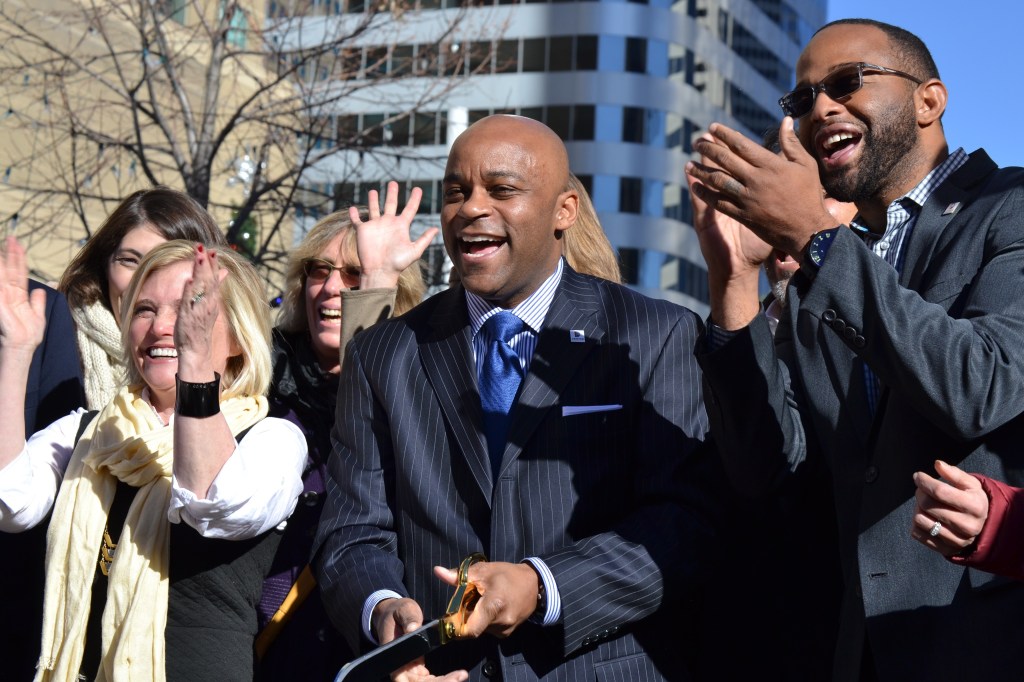
Last week, Denver became one of the latest cities to deliver overwhelming margins to a ballot measure that funded biking, transit, walking, pavement and traffic signal improvements citywide. Denverites voted 73 percent to 27 percent to back Measure 2A, a $431 million property tax package for “transportation and mobility” that was dedicated mostly to maintaining pavement and to reducing auto dependence — not expanding roadways.
“We’re going to support the next generation of commuters who don’t necessarily think owning a car is the only way to go,” Mayor Michael Hancock had said during his State of the City speech in July.
Denver’s vote, among others last week, is the latest in a string of victories for what used to be known as “alternative transportation.”
This post-recession trend was arguably kicked off by Seattle, which in 2015 sent a $930 million property tax levy to voters that was stuffed with an unexpectedly large number of biking and walking projects. Despite a “no” campaign funded by a millionaire landlord and loud opposition from the Seattle Times, 56 percent of voters backed it.
The trend became even clearer in 2016: Los Angeles County ($120 billion from sales taxes, 71 percent approval); Austin, Texas ($720 million from property taxes, 60 percent approval) and Atlanta ($260 million from sales taxes, 67 percent approval).
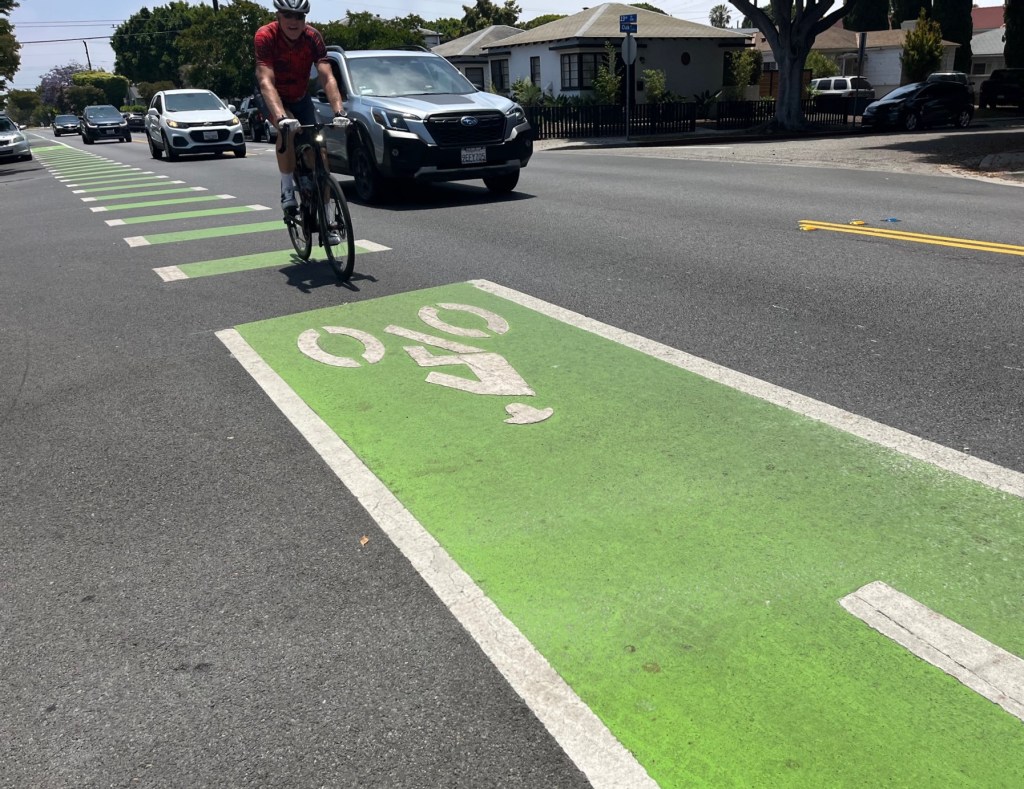
All of those ballot measures had something in common: prominent line items for protected bike lanes as part of modern, low-stress biking networks.
“The common thread seems to be big visions”

“Fifteen years ago, when people first started talking about bike and pedestrian infrastructure, it was seen as recreational,” said Christian Sinderman, the general consultant for Seattle’s levy. “Now we’re well beyond ‘paying for more bike trails.'” We’re overlying bike master plans on our urban street grids as part of an overall solution. And voters are repeatedly receptive to that.”
Indianapolis and Seattle also passed big transit-focused ballot measures last November.
“The common thread seems to be big visions,” said Peter Lauterborn, a San Francisco-based consultant and past campaign manager on transit issues. “Piecemeal approaches that sprinkle a little money to a slew of projects isn’t captivating the public.”

Tyler Frisbee, a former U.S. Congress staffer now working as policy manager for the Metro regional government in Portland, Oregon, said these trends — both “go big or go home” and greater emphasis on biking, walking and transit — are the natural result of less transportation funding flowing from Washington, D.C..
“What we are seeing — whether it’s at the L.A. scale of hundreds of billions of dollars, or smaller initiatives around the country — is cities and regions taking it upon themselves to invest in what they need and what their residents need,” she said. “That is a huge shift in the way that all of these cities have thought about their transportation systems.”
“When you shift from hoping that the feds will come through or the state will come through to helping yourself, you have the freedom to take a look at and understand what your residents and businesses really need to get around,” Frisbee said. “It gives cities, regions, the ability to build the future they want for themselves.”
An “all of the above” transportation strategy in central Texas

For Laura Dierenfield, the active transportation program manager at the City of Austin, building the future means planning, designing and executing biking and sidewalk improvements at a blistering pace. Austin announced this week that it’s ahead of schedule on building out its citywide low-stress biking network but needs to triple the rate of improvements to spend all the money voters agreed to give it last year.
Like the measure in Denver and elsewhere, Austin’s 2016 package included some money for widening roadways, too. But most of it — and most of the public messaging used to sell the package to voters — was about improving the roadways the city already had and using bus lanes and connected bike networks to make trips more space-efficient.
In central Texas, plans to add new toll lanes to roads are “certainly part of the mix, but that can’t be the only thing,” Dierenfield said. “I think biking is becoming more and more part of the ‘all of the above’ strategy.”
It’s a message that seems to be spreading. Last summer Travis County, which manages the unincorporated areas surrounding Austin, put a $185 million bond measure of its own on the ballot, prominently including millions to construct bike paths and lanes along county roads and through county parkland.
Last week, 73 percent of county voters approved.

Read More:
Streetsblog has migrated to a new comment system. New commenters can register directly in the comments section of any article. Returning commenters: your previous comments and display name have been preserved, but you'll need to reclaim your account by clicking "Forgot your password?" on the sign-in form, entering your email, and following the verification link to set a new password — this is required because passwords could not be carried over during the migration. For questions, contact tips@streetsblog.org.